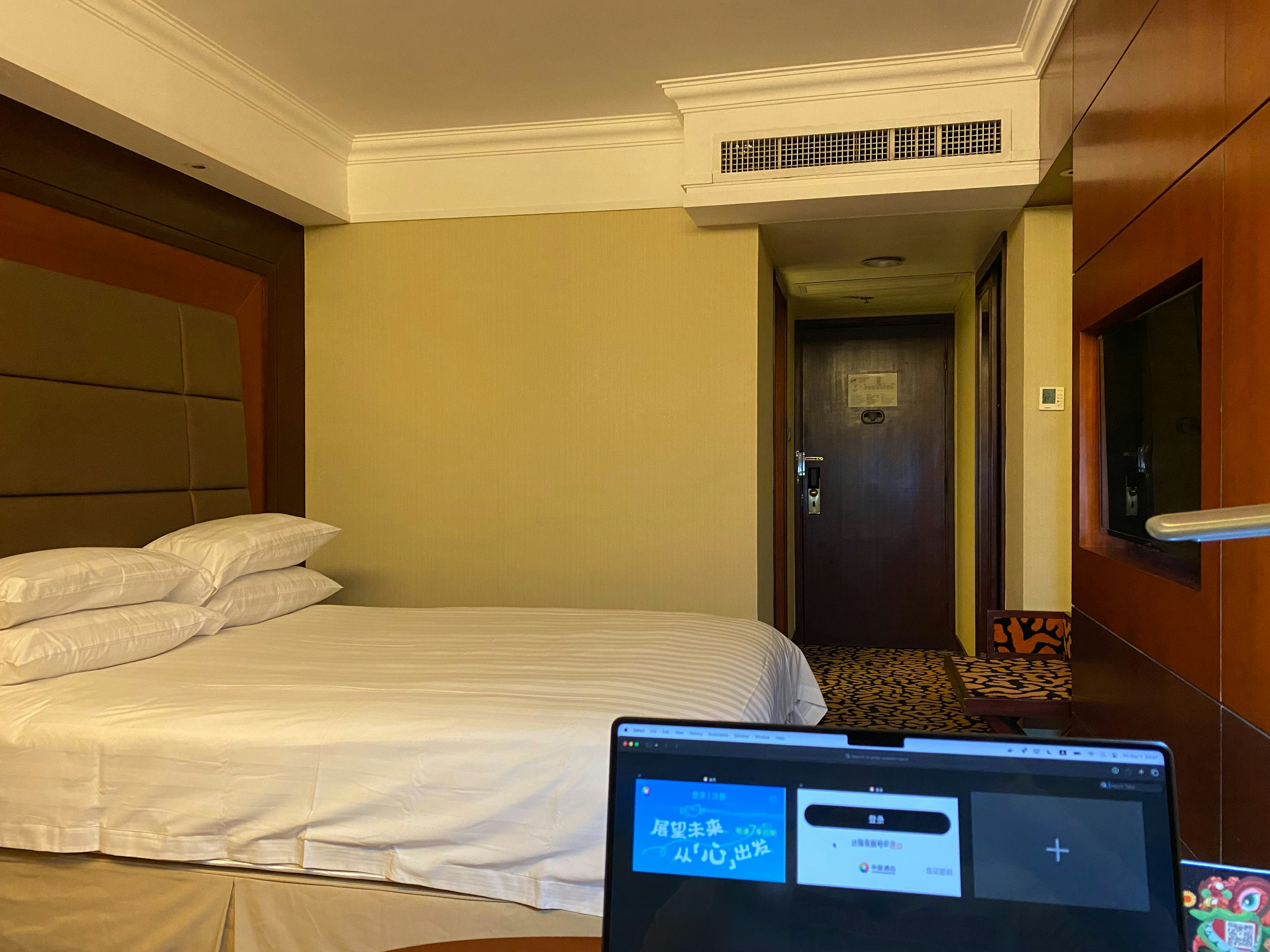
Introduction to Hotel Booking Sites
Hotel booking sites serve as online platforms that allow travelers to search, compare, and book accommodations efficiently. These websites have become indispensable tools in the travel industry, significantly influencing how individuals plan and secure their lodging. With the ability to access a plethora of options—from luxury resorts to budget-friendly hostels—travelers can find accommodations that meet their preferences and budgets. The importance of these platforms lies in their convenience and accessibility, making travel planning a more straightforward process.
Over the years, hotel booking sites have evolved from simple listings to comprehensive platforms that offer a multitude of features. Initially, these sites focused primarily on providing basic information about hotel availability and pricing. However, technological advancements and the growing demand for user-centric services have driven significant changes. Today’s booking platforms integrate user reviews, ratings, and detailed descriptions, enabling travelers to make informed decisions. Additionally, the advent of mobile technology has led to the rise of apps that allow users to book hotels on-the-go, further enhancing the convenience offered by these platforms.
Moreover, the functionality of hotel booking sites has expanded to include various features such as price alerts, flexible cancellation policies, and integration with travel itineraries. Users can filter search results based on numerous criteria, including location, price range, amenities, and guest ratings, ensuring that they find accommodations tailored to their specific needs. This customization not only streamlines the booking process but also enhances overall traveler satisfaction. As the travel landscape continues to change, hotel booking sites remain crucial in providing travelers with a seamless and enjoyable booking experience.
Key Features to Look for in Hotel Booking Sites
When selecting a hotel booking site, travelers should be mindful of several key features that can significantly enhance their booking experience. A user-friendly interface is crucial, as it allows users to navigate the site easily and find accommodations quickly. Websites with intuitive layouts and clear categorizations of their offerings can make the search process less daunting, thereby leading to more informed decisions.
Customer service is another vital factor to consider. Reliable platforms provide extensive support options, including live chat, email, and phone assistance. This is particularly important in the event of booking modifications or unexpected travel disruptions. Positive user reviews often indicate strong customer service, indicating a site’s reliability and support during critical times.
Variety of accommodations available on a booking site is equally important. A diversified range of options, including hotels, motels, hostels, and vacation rentals, can cater to different preferences and budgets. Additionally, filtering options play a key role in the usability of booking platforms. Effective filtering tools enable users to search by specific criteria such as location, price range, amenities, and more. This functionality helps travelers hone in on accommodations that meet their needs quickly.
Pricing transparency is crucial. Users should be able to see the total costs upfront, including any taxes and fees, to avoid unpleasant surprises during checkout. Moreover, it’s beneficial to evaluate loyalty programs that sites may offer. Such programs can provide significant value through discounts, upgrades, or rewards for frequent travelers. Cancellation policies also warrant careful examination; flexible cancellation can be invaluable in uncertain travel scenarios. Lastly, consider payment security features, such as encryption methods, to ensure personal and financial information remains protected throughout the booking process.
Top Hotel Booking Sites of 2023
As travelers increasingly turn to the internet for their accommodation needs, selecting the right hotel booking site can significantly impact the overall travel experience. In 2023, several platforms have stood out due to their user-friendly interfaces, competitive pricing, and diverse accommodation options. This overview examines some of the best hotel booking sites this year, focusing on their unique offerings and advantages.
One of the top sites is Booking.com, renowned for its extensive inventory that spans hotels, apartments, hostels, and even vacation homes. The platform’s intuitive search functionality and filters allow users to refine their choices easily based on location, price range, or facilities. Additionally, Booking.com often features flexible cancellation policies, making it suitable for various travel preferences.
Expedia is another powerful contender, offering dynamic packaging options that enable users to bundle flights with hotels, often resulting in significant savings. With a vast array of accommodation types and a seamless user interface, Expedia caters to both budget-conscious travelers and those seeking luxury experiences. Its rewards program further enhances its appeal, providing users with discounts on future bookings.
For travelers interested in unique accommodations, Airbnb has reshaped the hotel booking landscape by connecting guests with local hosts offering anything from a cozy apartment to a unique treehouse. The platform is particularly attractive for those seeking local experiences and personal touches in their stays. However, users should be mindful of the varying quality and reliability associated with individual listings.
Finally, Hotels.com is a strong option for those seeking frequent travel rewards. The platform’s “stay 10 nights, earn 1 free night” program incentivizes repeat usage, making it beneficial for avid travelers. By offering various hotel options and competitive prices, Users can often find accommodations that suit both their preferences and budgets.
These top hotel booking sites of 2023 provide varied facilities and options that cater to different traveler needs. Each platform has distinct advantages, allowing users to select one according to their personal travel style and preferences.
Pros and Cons of Using Hotel Booking Sites
In recent years, hotel booking sites have gained significant popularity due to their convenience and accessibility. These platforms offer travelers an easy way to compare prices, read reviews, and book accommodations without the need for direct communication with hotels. One of the primary advantages of using hotel booking websites is the ability to browse a wide variety of options, ranging from budget hotels to luxury resorts, all in one location. This consolidates the research process for travelers, allowing them to see available rooms and rates at a glance.
Additionally, many of these websites often feature promotional deals and discounts that can lead to substantial savings. Travelers can take advantage of flash sales or special offers that may not be available through traditional booking methods. Furthermore, the user-friendly interfaces and search filters make it easy to customize results based on preferences such as amenities, location, and price range.
However, there are also notable disadvantages associated with using hotel booking sites. For instance, prospective guests may encounter hidden fees that can inflate the overall cost of their stay. These fees might not be apparent at first glance and can include charges for service, resort fees, or taxes that significantly impact the final price. Additionally, there is a risk of overbooking, where customers arrive at their chosen accommodation only to find that their reservation has not been honored due to technical issues or discrepancies in the booking process.
Moreover, while booking sites offer a platform for comparisons, they may not always provide the most accurate or updated information on room availability or pricing. This can lead to frustration and inconvenience for travelers who expect a seamless booking experience. It is essential for users to weigh these pros and cons carefully and consider their options when planning their stays.
Tips for Getting the Best Deals on Hotel Booking Sites
Finding the best deals on hotel booking sites requires a strategic approach that combines timing, tools, and resources. One of the primary strategies to secure great rates is to keep an eye on timing. Research has shown that booking well in advance, typically three to six months before your desired travel date, can often yield lower prices. Conversely, last-minute bookings may provide significant discounts, especially for hotels seeking to fill vacancies. Monitoring prices during different times of the week can also reveal patterns; many travelers find that making reservations mid-week can be more economical.
Utilizing price comparison tools is another effective method for finding competitive rates. Many websites and apps allow users to input their travel details and receive quotes from multiple hotel booking sites simultaneously. This not only saves time but also helps ensure that travelers get the best available prices. It is essential, however, to cross-check with the hotel’s official website as some properties offer exclusive rates or perks when booking directly.
Loyalty programs can be an excellent way to achieve savings and added benefits. Many hotel chains provide members with points for every stay, which can later be redeemed for discounts or complimentary nights. Signing up for these programs often comes with welcome bonuses and exclusive offers, making it worthwhile to invest a little time upfront to enjoy long-term savings. Additionally, promotional offers and seasonal discounts may also be available through hotel booking sites and could result in substantial reductions on your total booking costs. Always look for special events or holiday promotions that coincide with your travel dates, as these can lead to extraordinary deals.
By implementing these strategies, travelers can maximize their chances of securing favorable rates and enjoying enhanced experiences during their hotel stays.
Mobile Apps vs. Desktop Sites: Which is Better for Booking Hotels?
When considering hotel bookings, travelers often face the decision of using mobile apps or desktop sites. Each platform has its unique advantages and disadvantages that can significantly influence the user experience. Understanding these differences is crucial for making informed choices in hotel reservations.
Mobile apps are designed for convenience and accessibility, allowing users to book accommodations on-the-go. One of the significant benefits of mobile applications is their user-friendly interface, which often allows for quicker navigation and faster booking processes compared to desktop sites. Additionally, many mobile apps offer exclusive deals and discounts that are unavailable to desktop users, providing an economic incentive to choose this option. Notifications about last-minute offers or changes to reservations also enhance the experience, making it easier for travelers to manage their bookings effectively.
On the other hand, desktop sites typically furnish a broader view of available options, including comprehensive filters and sorting capabilities that can make it easier for users to compare various hotels. The larger screen can facilitate a more in-depth investigation into reviews, amenities, and photos, which can be pivotal when selecting accommodations. Moreover, desktop sites tend to present more information about corporate deals or loyalty programs, which may be missed on mobile platforms. However, the reliance on an internet connection and the need for a dedicated device can inhibit the spontaneity and flexibility that mobile apps provide.
Ultimately, the choice between mobile apps and desktop sites depends on individual preferences and circumstances. Users seeking rapid bookings while traveling may find mobile applications preferable, while those conducting thorough research might lean towards desktop platforms. Regardless of the platform chosen, understanding the strengths and weaknesses of each can enhance the hotel booking experience.
User Reviews: Why They Matter When Choosing a Booking Site
User reviews play a crucial role in the decision-making process for travelers selecting a hotel booking site. Given the plethora of platforms available for booking accommodations, potential guests often rely on insights gathered from those who have previously utilized these services. User-generated content, particularly reviews and ratings, offers valuable information that can assist in assessing the reliability and quality of hotel booking sites.
When examining user reviews, travelers should consider multiple factors that reflect the overall user experience. High ratings generally indicate satisfaction with the booking process, customer service, and value for money. In contrast, consistent negative feedback can signal underlying issues with a site, such as hidden fees or unresponsive customer support. By paying attention to these indicators, users can make informed choices about which booking platforms to trust.
It is also essential to approach reviews with discernment. Not all feedback is created equal; therefore, potential users should look for patterns rather than isolated comments. One or two negative reviews may not warrant concern, but if numerous guests report similar issues, it may be wise to consider alternative options. Additionally, examining the date of the reviews can provide further context regarding the site’s performance over time. Recent reviews may be more relevant, as they take into account any recent updates or changes made by the platform.
Furthermore, users can benefit from comparing reviews across different sites. Some platforms may aggregate reviews from various users, while others are specific to their booking service. Gathering diverse perspectives can present a more comprehensive understanding of the site’s credibility. Ultimately, user reviews serve as a guiding tool, enabling travelers to identify reputable hotel booking sites, thus enhancing their overall travel experience.
The Future of Hotel Booking Sites
As the travel industry continues to evolve, hotel booking sites are following suit, driven by emerging trends and new technologies. A notable advancement is the integration of artificial intelligence (AI) across various platforms. AI is enhancing user experience by providing tailored recommendations based on individual preferences and past behaviors. This kind of personalized travel experience not only helps travelers find accommodations that suit their desires but also increases customer satisfaction and loyalty.
Another significant trend shaping the future of hotel booking sites is the utilization of big data analytics. This technology allows booking platforms to analyze vast amounts of data to predict trends and improve service offerings. By understanding customer behavior and preferences, sites can offer more accurate pricing models and special promotions that cater to specific target audiences, ultimately optimizing the booking process.
Social media is also playing a crucial role in influencing travel choices. Platforms like Instagram and Facebook not only serve as promotional tools for hotel booking websites but also function as decision-making aids for potential travelers. Aesthetic imagery and user-generated content create a visual narrative that resonates with audiences, impacting their choices significantly. In response, hotel booking sites are leveraging these platforms to foster a sense of community and generate engagement through interactive content, which can lead to increased bookings.
Moreover, sustainability is becoming a core focus for both consumers and businesses in the travel sector. Hotel booking sites are starting to highlight eco-friendly accommodations, catering to the growing demand for responsible travel options. This shift towards sustainable tourism not only attracts eco-conscious travelers but also encourages hotels to implement greener practices, thereby positively influencing the industry as a whole.
In essence, the future of hotel booking sites is heavily intertwined with technological advancements, personalized services, and social media trends, reshaping the landscape of how travelers choose and book their accommodations. These shifts promise a more innovative and customer-centric approach to travel planning, ensuring that the needs and preferences of modern travelers are met effectively.
Conclusion
Choosing the right hotel booking site is quintessential for enhancing your travel experience. Throughout this guide, we have examined various platforms that cater to diverse preferences and requirements. Each site offers unique features, such as competitive pricing, extensive hotel listings, and user-friendly interfaces. These elements play a crucial role in helping travelers find accommodations that best suit their needs.
The significance of selecting a trustworthy hotel booking site cannot be overstated. A reliable platform not only provides you with a seamless booking process but also ensures that you have access to authentic reviews and customer service support. In addition, many of these sites offer exclusive deals, loyalty programs, and bundled options that can lead to significant savings. Thus, understanding the advantages and limitations of each booking site is essential for making an informed decision.
As we explored the various options available, it became evident that no single site can cater to every traveler’s specific needs. Therefore, it is advisable to utilize multiple booking platforms to compare offerings and find the best deal. Consider factors such as location, amenities, and user reviews when making your selection. This comprehensive approach will not only enhance your hotel search but also contribute positively to your overall travel experience.
In essence, the right hotel booking site can make a substantial difference in how you perceive your stay. By taking the time to explore available options, travelers can ensure they choose the most suitable platform that aligns with their preferences and expectations. Remember, planning and research are key elements in securing an enjoyable and fulfilling travel journey.
Tinggalkan Balasan