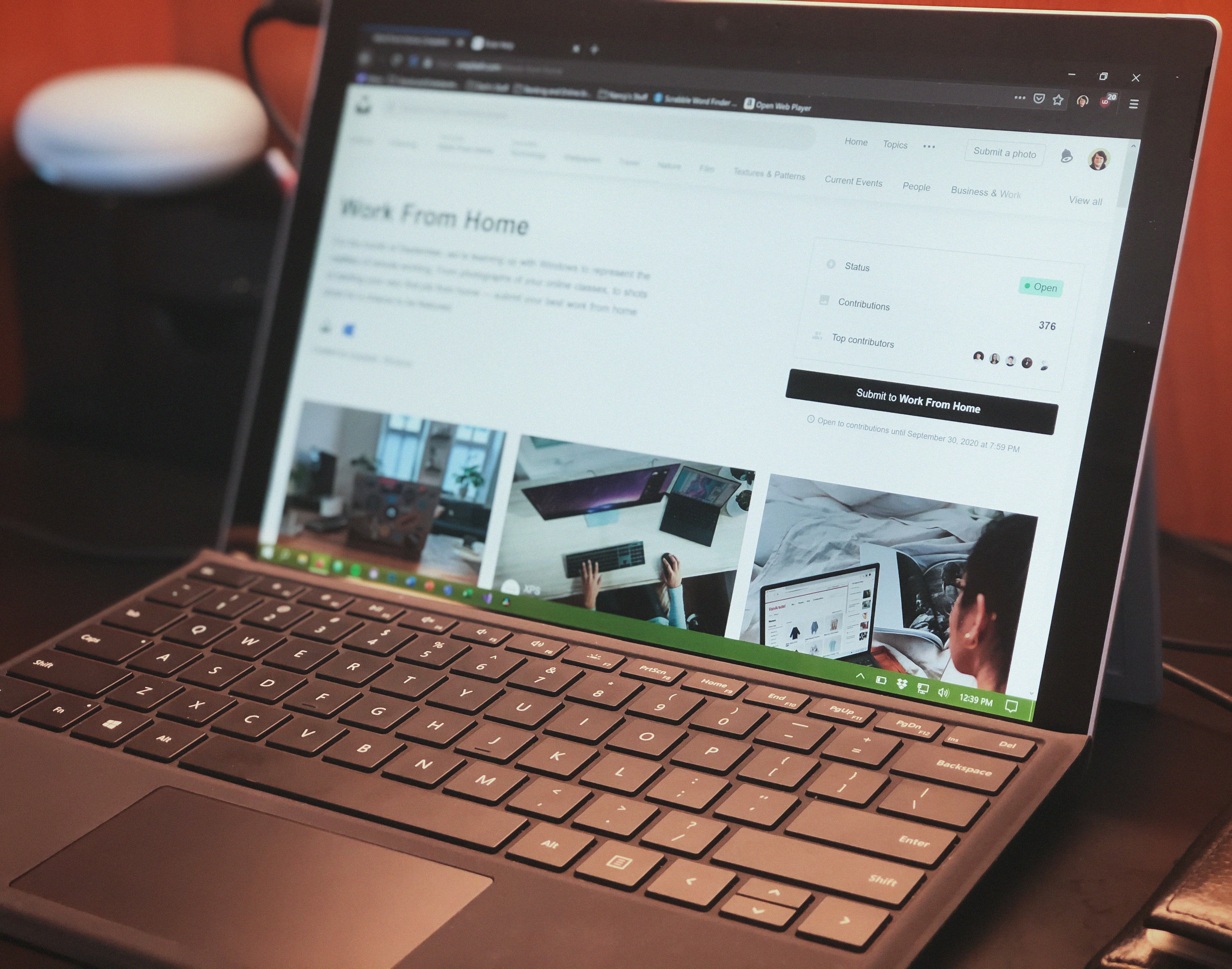
The Rise of Remote Work
In recent years, the landscape of employment has witnessed a dramatic shift towards remote work, a trend that has rapidly gained traction across various industries. The advent of advanced technology and communication tools has empowered millions of professionals to break free from traditional office environments, allowing them to conduct their business from virtually anywhere in the world. As a result, the phenomenon of digital nomadism has emerged, where individuals combine their work commitments with the freedom to travel and explore new destinations.
This new way of working has fundamentally altered the priorities of workers, who are increasingly seeking flexible lifestyles that align with their personal and professional goals. No longer tethered to a desk, remote workers have the opportunity to experience diverse cultures while maintaining productivity. However, this shift is not without its challenges. Remote workers often face unique obstacles, such as the need for reliable internet access, suitable workspaces, and environments conducive to maintaining focus and efficiency.
Choosing the right accommodation has become paramount for these professionals. The ideal hotel or rental property should provide not only comfort but also a dedicated workspace that fosters productivity. Many remote workers prioritize amenities that cater specifically to their needs, such as high-speed internet, ergonomic workstations, and quiet areas for concentration. Furthermore, accessibility to local attractions and recreational activities also plays a significant role in their selection process, enabling them to strike a balance between work and leisure.
As remote work continues to redefine how individuals approach their professional lives, the importance of finding accommodations that support this lifestyle cannot be overstated. Whether traveling for a short period or an extended stay, understanding the dynamics of this trend will aid remote workers and digital nomads in curating a fulfilling travel and work experience.
Criteria for Selecting the Best Hotels
When it comes to finding accommodations suitable for remote workers and digital nomads, several key criteria must be considered to ensure an optimal stay. The primary requirement is reliable internet access. A stable and fast Wi-Fi connection is essential for remote work, allowing individuals to attend virtual meetings, manage projects, and communicate with colleagues without interruptions. Thus, hotels should provide detailed information about their internet service, including speeds and availability in different areas of the property.
Another significant factor is the availability of comfortable working spaces. Ideally, hotels should offer various options for remote workers, such as quiet rooms with ergonomic furniture, co-working spaces, or lounges where one can work in a more relaxed environment. These areas should be designed to foster productivity, accommodating long hours of focused work while also providing opportunities for breaks and social interactions.
Amenities tailored for long stays also play a critical role in selecting the best hotel. Features like laundry facilities, kitchenettes or in-room kitchen access, and spacious accommodations can greatly enhance the experience of digital nomads who may require more than just a standard hotel room. These amenities help create a more homely atmosphere, making it easier to maintain a routine while on the road.
Additionally, community or networking opportunities should be considered. Hotels that organize events, workshops, or informal meet-ups foster a sense of belonging among guests. This is important for remote workers who often seek connections with like-minded individuals during their travels. Lastly, comprehensive business services such as printing, photocopying, and meeting rooms can further enhance the guest experience by catering to professional needs efficiently.
In conclusion, evaluating these criteria—not just for personal preferences but for overall work efficiency—will assist remote workers and digital nomads in making informed decisions about their accommodations, ensuring a productive and enjoyable stay.
Top 10 Hotels for Remote Workers
As the world evolves with remote work becoming increasingly prevalent, several hotels have stepped up to cater to the unique needs of digital nomads and remote workers. Here is a curated list of ten hotels that not only provide comfortable accommodations but also essential amenities designed to support productivity and work-life balance.
1. CitizenM Hotels – Global Locations: CitizenM has redefined affordable luxury with their modern, tech-savvy rooms. With dedicated workspaces, free high-speed Wi-Fi, and 24/7 access to common areas, remote workers can enjoy an invigorating environment while staying connected.
2. The Hoxton – Multiple Cities: The Hoxton offers bright, stylish rooms and a vibrant communal atmosphere. Each location features co-working spaces, reliable internet, and cozy public areas, making it ideal for individuals who thrive in a collaborative environment.
3. The Line Hotel – Los Angeles, USA: Famous for its artistic design and rooftop pool, The Line provides spacious work-friendly rooms and fast Wi-Fi. The hotel also features a delicious café and restaurant for meal breaks, promoting both productivity and relaxation.
4. Selina – Worldwide Locations: Selina is known for its flexible stay options and workspace integration. With shared co-working spaces and the option for private offices, it is an excellent choice for remote professionals who appreciate a vibrant social scene.
5. Anantara Hotels – Multiple Locations: Anantara offers luxurious accommodations along with state-of-the-art conference facilities. The serene environment contributes to enhanced focus, making it perfect for remote workers looking to escape the ordinary hustle.
6. ME London – London, UK: ME London combines sleek design with functionality. Featuring comfortable workspaces, high-speed internet, and a relaxing rooftop area, this hotel is ideal for remote workers seeking sophistication and convenience.
7. PROTEA Hotels – South Africa: PROTEA provides a range of accommodations suited for business travelers. With reliable internet and dedicated work zones, these hotels create a productive atmosphere for those working remotely.
8. Four Seasons – Global: Known for unparalleled service, Four Seasons hotels offer spacious rooms with workspaces tailored for remote work. With business facilities and fine dining options, they cater to the needs of discerning professionals.
9. Aloft Hotels – Worldwide: Aloft hotels boast modern decor and energetic spaces designed to inspire. Their Re:mix lounge provides remote workers a collaborative environment along with reliable Wi-Fi and business amenities.
10. The Standard – Various Locations: The Standard chain features creative and comfortable interiors with ample co-working spaces. These hotels are well-equipped to support remote work, with many locations providing breathtaking views and vibrant neighborhoods to explore during downtime.
These hotels exemplify what it means to support the modern remote workforce, ensuring that digital nomads can balance work and leisure seamlessly.
Case Study: Hotel X – A Remote Work Paradise
Hotel X stands out as a top choice for remote workers and digital nomads seeking a harmonious balance between comfort and productivity. Nestled in a serene location, the hotel offers a plethora of amenities tailored specifically for those who work while traveling. Guests are immediately greeted with an inviting atmosphere that promotes both relaxation and focus, essential for any productive workday.
One of the highlights of Hotel X is its expansive co-working space, a carefully designed environment where digital nomads can work efficiently. The co-working area is equipped with high-speed internet connectivity, comfortable seating, and ample natural light—factors crucial for maintaining productivity. Additionally, private meeting rooms provide the perfect setting for virtual meetings or collaborative work sessions, ensuring that remote professionals have access to everything they need without ever leaving the hotel.
Guest testimonials frequently highlight the exceptional atmosphere at Hotel X. Many remote workers appreciate the hotel’s quiet ambiance, which is conducive to concentration. Visitors have noted that the integration of green spaces and artistic decor creates a visually pleasing environment that sparks creativity. Moreover, the presence of a coffee bar and on-site dining options allows guests to fuel their productivity without having to venture far.
Hotel X is committed to the well-being of its guests. The hotel offers wellness amenities, such as yoga classes and a fitness center, which help remote workers maintain a balanced lifestyle amidst their professional commitments. Furthermore, the friendly and accommodating staff are always on hand to assist with any specific needs, making every guest feel valued. Through its comprehensive services and supportive atmosphere, Hotel X ensures that remote workers can thrive while enjoying their journey in a new location.
Community and Networking Opportunities
For digital nomads and remote workers, the importance of community cannot be overstated. Working away from a traditional office environment often leads to feelings of isolation, making it vital to find places that foster social interaction and collaboration. Many hotels have recognized this need and have begun to cultivate vibrant communities by offering various networking opportunities and communal spaces tailored for their guests.
Several establishments provide organized events, such as workshops, networking mixers, and co-working sessions. These gatherings not only facilitate connections among like-minded individuals but also create a supportive atmosphere where remote workers can share ideas and collaborate on projects. By participating in these events, digital nomads can expand their professional network, gain insights from industry peers, and potentially forge partnerships that may lead to new opportunities. These interactions can significantly enhance the working experience, making it more enjoyable and productive.
In addition to organized events, communal spaces such as lounges, rooftop terraces, and cafés play a crucial role in establishing a sense of community among guests. These areas encourage casual conversations and spontaneous meetings, allowing individuals to connect over shared interests. Some hotels even feature co-working facilities designed to accommodate remote workers, promoting an environment conducive to productivity while simultaneously facilitating interaction with other guests.
Moreover, the rise of hotels specifically catering to remote workers highlights the growing recognition of the importance of community in this lifestyle. By prioritizing social engagement and collaboration, these hotels create an environment that not only supports productivity but also fosters relationships that can last beyond the stay. Ultimately, a strong sense of community can have a profound impact on the success and well-being of digital nomads and remote workers alike.
Tips for Balancing Work and Leisure While Staying at Hotels
Maintaining a healthy work-life balance while traveling as a remote worker or digital nomad can be challenging yet essential for productivity. Here are some actionable tips to help remote workers achieve balance during their hotel stays.
Firstly, effective time management is crucial. Consider creating a daily schedule that allocates specific blocks of time for work and leisure. For instance, designate morning hours for focused work, when you are likely to be most productive, reserving afternoons for leisure activities. Utilizing tools such as digital calendars or task management apps can aid in adhering to these time allocations.
Next, setting clear boundaries is vital to ensure that work does not encroach upon personal time. Informing colleagues about your working hours can help establish expectations. Furthermore, it is advisable to create a designated work area within your hotel room, separate from leisure spaces. This physical distinction can assist in psychologically separating work from relaxation, fostering a more conducive environment for both tasks.
Additionally, take advantage of the leisure facilities offered by the hotel. Use amenities such as gyms, pools, or lounges to recharge your mind and body. Engaging in physical activity or relaxation techniques can enhance focus and reduce the risk of burnout. Short breaks during work hours, even just for a quick walk, can significantly improve overall productivity and creativity.
Finally, remember to embrace the local culture and experiences available at your destination. Consider scheduling time each week for excursions or local explorations, as these activities can enrich your travel experience while also providing a respite from work. With a little planning and intention, remote workers can seamlessly blend productivity with leisure, ensuring a fulfilling stay at any hotel.
Technology Needs for Remote Workers in Hotels
As the landscape of work continues to evolve, remote workers increasingly rely on hotels that cater to their technological needs. A primary requirement for professionals operating from temporary locations is the availability of reliable, high-speed Wi-Fi. Many hotels recognize this necessity and are now investing in robust internet infrastructures, with speeds that can accommodate video calls, large file uploads, and seamless connectivity for multiple devices.
Moreover, tech support is a critical component for remote workers. Having access to on-site assistance can greatly reduce downtime caused by technical issues. Some hotels provide dedicated IT services or partnerships with local tech support companies, ensuring that guests can quickly resolve any connectivity problems and maintain productivity.
Another essential aspect is the availability of power outlets and charging stations. Hotels that offer ample charging options in rooms, co-working spaces, and public areas facilitate the smooth operation of electronic devices. Remote workers tend to rely on laptops and smartphones throughout their day, making it imperative that they can easily access power sources without hassle.
Additionally, remote workers often prioritize security when connecting to the internet. Hotels that provide secure, encrypted networks and offer Virtual Private Network (VPN) access demonstrate a commitment to safeguarding guests’ online activities. This is especially significant for those handling sensitive information, as strong security measures minimize risks associated with data breaches.
Hotels that understand and address these technological needs tend to attract digital nomads and remote workers. By ensuring reliable Wi-Fi, efficient tech support, accessible power outlets, and secure connections, hotels can create an environment that supports productivity and comfort for those on the move. For any traveler, selecting accommodations that prioritize these features enhances the overall remote work experience.
Sustainable and Eco-Friendly Hotels for Conscious Nomads
The rise of remote work and digital nomadism has brought with it an increased focus on sustainability in the hospitality industry. Many travelers are now seeking eco-friendly hotels that align with their values, prioritizing environmentally conscious practices. This trend is not merely a shift in accommodation preferences; it signifies a broader demand for responsible tourism that minimizes ecological footprints while enhancing the travel experience.
Eco-friendly hotels implement a variety of sustainable practices. These can range from utilizing renewable energy sources, such as solar power, to deploying water-saving technologies and sourcing local, organic food for their dining options. Hotels that focus on sustainability often engage in waste reduction strategies, such as composting, recycling, and reducing single-use plastics. Such initiatives are not just beneficial for environmental conservation but can also improve the overall guest experience, contributing to a more authentic and meaningful stay.
As remote workers and digital nomads, individuals have the opportunity to contribute to environmental awareness while enjoying their travels. By choosing to stay in eco-friendly hotels, they can support responsible businesses that are striving to make a positive impact. Additionally, many sustainable hotels offer programs that encourage guests to participate in local conservation efforts, such as beach clean-ups or educational workshops, which can foster a deeper connection to the destination.
Examples of sustainable hotels abound around the globe. For instance, many establishments are certified by organizations like Green Key or EarthCheck, ensuring they meet rigorous environmental standards. By selecting such accommodations, conscious nomads can travel mindfully. This choice not only benefits the environment but also promotes the growth of sustainable tourism, fostering a more eco-conscious travel culture for future generations.
Conclusion
As the remote work trend continues to gain momentum, the significance of selecting the right hotel for digital nomads and remote workers cannot be overstated. Throughout this blog post, we have highlighted key factors to consider when choosing a suitable accommodation. Attributes such as reliable high-speed internet, comfortable workspaces, and an atmosphere conducive to productivity emerge as essential for those balancing work and travel.
Moreover, the availability of amenities like co-working spaces, networking opportunities, and leisure activities play a pivotal role in enhancing the overall experience of remote workers. These elements not only facilitate a productive work environment but also contribute to a more enjoyable stay, ensuring that one can recharge after a day of work. It is important to select a hotel that aligns with your specific needs, whether you prioritize solitude or seek engagement with fellow travelers.
We also encourage readers to contemplate their own preferences and travel styles when selecting accommodations. Each remote worker has unique requirements; thus, reflecting on past experiences and sharing insights can inform better choices for future adventures. Gathering feedback from fellow digital nomads fosters a sense of community and can lead to discovering hidden gems that cater specifically to remote work needs.
In conclusion, the right hotel can significantly enhance the remote working experience, combining comfort and productivity seamlessly. We invite you to share your experiences and recommendations in the comments section, as the collective knowledge of our community may help others in identifying the ideal places to work while traveling.