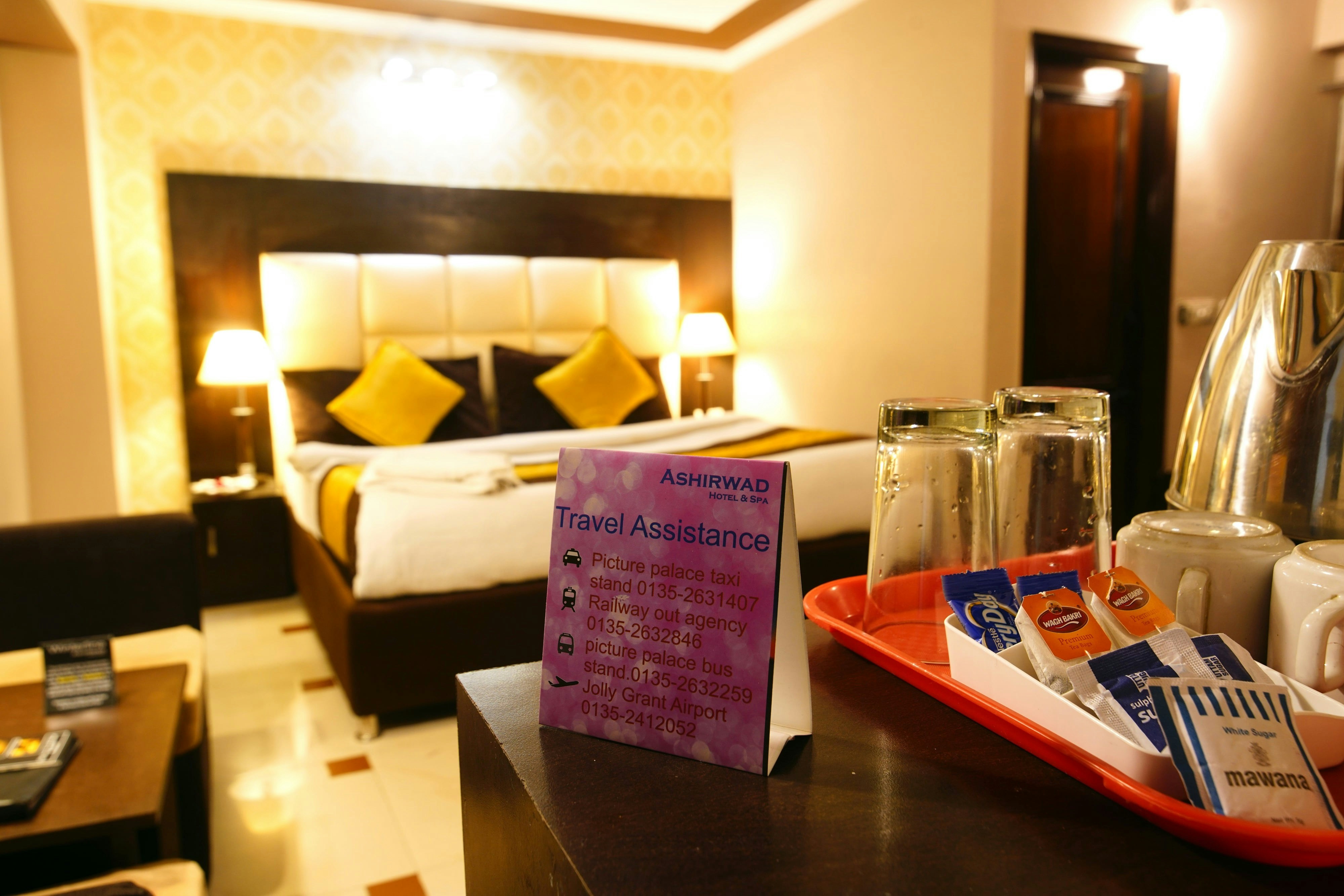
Introduction to Hotel Bookings
Hotel bookings are an essential aspect of travel planning, significantly influencing both the comfort and financial aspects of a trip. The primary goal when booking a hotel is to find an accommodation that meets personal preferences while staying within a budget. To achieve this, travelers must consider various factors, including location, amenities, and pricing.
Hotels can be booked through several channels, each offering distinct advantages. The most direct method is through the hotel’s official website. This option often provides the best rates, promotional deals, and exclusive perks for loyal customers. Furthermore, booking directly can sometimes guarantee more flexible cancellation policies than third-party sites. However, travelers should also explore online travel agencies (OTAs) such as Expedia or Booking.com, which aggregate listings from multiple hotels and frequently offer competitive pricing or bundle deals that include flights or rental cars.
In addition to OTAs, travel apps have gained popularity for their convenience, allowing consumers to search, compare, and book hotels in real-time. These applications may also notify users of flash sales or last-minute deals, potentially leading to significant savings. Nonetheless, it is crucial to be mindful of the potential pitfalls associated with last-minute bookings or non-cancellable reservations. While last-minute options can sometimes yield discounts, they may also limit choices and result in accommodations that do not meet individual needs or preferences.
Understanding the nuances of hotel bookings is essential for making informed decisions that align with both comfort and affordability. This knowledge equips travelers to navigate the myriad of options available while minimizing unexpected costs associated with less-than-ideal booking choices.
Understanding Premium Protection Plans
Premium protection plans are specialized insurance products designed to offer travelers comprehensive coverage against the uncertainties that may arise during their journeys. Traditionally, hotel bookings come with certain restrictions when it comes to cancellations or modifications. However, these protection plans enhance the standard terms of service by providing greater flexibility and security for travelers. At a nominal fee, one can significantly reduce the financial risks associated with unforeseen events.
These plans primarily cover cancellations and changes to reservations, offering compensation or the ability to reschedule without incurring hefty fees. For instance, if a personal emergency arises that requires a traveler to modify their stay, a premium protection plan would typically allow them to make adjustments without penalty, depending on the policy’s specifics. Furthermore, this coverage often extends to unforeseen events such as severe weather or natural disasters, which can disrupt planned travel itineraries and warrant a need for modification or cancellation of bookings.
Various providers offer premium protection plans, each with its own set of features and conditions. Companies such as Allianz Global Assistance and Travel Guard provide options tailored to different traveler needs. For example, some plans include additional benefits like coverage for lost deposits, reimbursement for non-refundable fares, or even access to 24/7 travel assistance services. By reviewing the different types of coverage available, travelers can choose a plan that aligns with their unique circumstances and travel goals, ensuring a more secure and enjoyable experience.
Overall, premium protection plans serve as a safety net for travelers, significantly reducing the anxiety associated with booking accommodations. By understanding the various coverage options available and their benefits, travelers can make informed decisions that enhance their travel experience.
Cost vs. Benefit Analysis of Protection Plans
In evaluating the financial implications of premium protection plans for hotel bookings, it is essential to weigh the costs against the potential benefits they offer. On the surface, these plans typically come with an additional fee, which may vary based on the level of coverage and the type of establishment. However, the peace of mind and potential savings they provide can often make them a worthwhile investment. To conduct an effective analysis, one must consider various scenarios in which protection plans can either save or cost a traveler money.
For example, travelers who frequently book non-refundable hotel rooms may find that a premium protection plan serves as a safety net. If unforeseen circumstances arise, such as a sudden illness or travel interruptions, the protection plan can help recover substantial costs that would otherwise be lost. In scenarios where the cost of a protection plan is a fraction of the total booking, the savings from canceled trips can significantly outweigh the initial expense.
Conversely, for occasional travelers who often opt for refundable bookings or who plan their trips with minimal uncertainty, investing in a premium protection plan may not be justifiable. In such cases, the additional cost could exceed the benefits received. Hence, it is vital for individuals to evaluate their travel habits, frequency of travel, and willingness to take risks before deciding whether a protection plan aligns with their financial goals.
Ultimately, a thorough cost versus benefit analysis will empower travelers to make informed decisions. By reflecting on their personal travel patterns and the types of accommodations they typically select, individuals can determine how a premium protection plan could either enhance their travel experience or merely add unnecessary expenses. This approach encourages a practical mindset towards travel planning and budgeting.
Tips for Choosing the Right Protection Plan
Selecting the appropriate protection plan for your hotel bookings is essential, particularly when considering the diverse nature of travel. One of the key factors to evaluate is your travel frequency. If you travel frequently for business or leisure, an annual protection plan might be the most cost-effective option. This could save you money over time compared to purchasing plans for individual trips. For infrequent travelers, single-trip coverage may suffice and offer adequate protection without the commitment of a longer-term plan.
The nature of your trips also plays a significant role in choosing a protection plan. Business trips often entail different risks compared to leisure travel. If you have a packed schedule or significant investments in business-related activities, look for a plan that covers last-minute cancellations, delays due to work commitments, and other business-related incidents. In contrast, leisure travelers might focus on protecting against unexpected events like family emergencies or natural disasters that could disrupt their planned vacations.
Your destinations can also influence your choice. Some regions may have higher risks associated with travel, such as political instability or health concerns. For these areas, ensuring your protection plan is comprehensive is particularly important. Additionally, consider your personal risk tolerance. If you are someone who prefers peace of mind and is willing to pay a bit more for additional security, opt for a plan that covers a broader range of issues. Conversely, if you’re comfortable with taking some risks, a basic plan might meet your needs.
Finally, it is crucial to read the fine print of any protection plan you consider. Understanding the specifics—such as what is covered and any exclusions—can prevent future complications and ensure that you are adequately protected during your travels. Paying attention to these details will allow you to choose a protection plan that aligns seamlessly with your travel habits and requirements.
Leveraging Loyalty Programs for Additional Savings
Hotel loyalty programs have become an integral part of the travel experience, offering numerous benefits that can significantly reduce costs for frequent travelers. By signing up for these programs, consumers can take advantage of exclusive member discounts, which are often not available to the general public. These discounts can result in substantial savings, especially for those who travel regularly.
One of the primary advantages of hotel loyalty programs is the accumulation of rewards points. Each stay at a participating hotel allows members to earn points that can later be redeemed for free nights, room upgrades, or other perks. When combined with premium protection plans, the savings potential becomes even more pronounced. For instance, a traveler utilizing a protection plan to secure their reservation may experience fewer penalties for changes or cancellations, leading to greater flexibility and further economic savings.
Moreover, many hotel chains offer tiered loyalty programs where frequent guests can achieve higher status levels. These statuses can unlock additional benefits such as complimentary breakfast, late check-out, or even access to exclusive lounges. Such amenities can enhance the overall travel experience while simultaneously minimizing out-of-pocket expenses during the stay. By aligning loyalty program rewards with the protective measures of premium plans, travelers can maximize their savings while enjoying an elevated level of service.
In summary, leveraging hotel loyalty programs alongside premium protection plans can empower travelers to significantly reduce their lodging costs. By capitalizing on member discounts, earning rewards points, and enjoying exclusive benefits, consumers can create a more economical and enjoyable travel experience. Therefore, integrating both strategies is a prudent option for anyone seeking to save money on hotel bookings.
Understanding Cancellation Policies
When planning a trip, understanding hotel cancellation policies is crucial for effective budgeting and peace of mind. Cancellation policies can vary significantly between hotels, often determined by factors such as the booking rate, the time of booking, and the specific terms associated with premium protection plans. The consequences of failing to understand these policies can lead to substantial penalties, including forfeited deposits and full charges in the event of a last-minute cancellation.
Hotels typically categorize their cancellation policies into three main types: flexible, moderate, and strict. Flexible policies allow guests to cancel their bookings with little to no penalty, often up to a day before arrival, which is beneficial for travelers who anticipate possible changes in their plans. On the other hand, moderate and strict policies may require cancellations days or even weeks in advance to avoid penalties, imposing fees that can equal the entire cost of the reservation. Hence, travelers should carefully read the cancellation terms before confirming a booking to avoid unexpected costs.
Premium protection plans can offer a safety net in situations where standard cancellation policies may be too rigid. These plans often enable guests to receive partial or full refunds regardless of the hotel’s cancellation rules, specifically if an unforeseen event occurs. However, understanding how these plans interact with hotel policies is essential for effective utilization. For example, some premium protection options may not cover cancellations made within 24 hours of check-in or due to specific reasons.
Case studies have shown that travelers often encounter pitfalls when they fail to familiarize themselves with these nuances. One instance involved a family that booked a hotel with a strict policy, only to change their plans due to a medical emergency. They incurred substantial charges simply because they overlooked the cancellation details and assumed their protection plan would cover everything. Instances like these underscore the need for thorough knowledge of cancellation policies in tandem with premium protection plans.
Real-Life Success Stories
Travelers often share their experiences to shed light on how premium protection plans can significantly enhance their hotel booking process. One such story comes from Jane, a frequent business traveler. On one occasion, she booked a hotel for a crucial conference. Unfortunately, a last-minute schedule change forced her to cancel the trip. Thanks to the premium protection plan she had opted for, Jane recovered her full payment promptly. This not only saved her money but also allowed her to allocate funds towards another essential business commitment without financial strain.
Another compelling testimonial comes from Mark and Lisa, a couple who planned a romantic getaway. They chose a boutique hotel that offered a premium protection plan, which promised flexibility in case of unexpected events. A week before their trip, an urgent family matter arose, causing them to rethink their plans. With the protection plan in place, they were able to reschedule their booking seamlessly without incurring any additional fees. This experience reinforced their belief in the value of investing in protection for their travel plans. It granted them both financial freedom and peace of mind.
Lastly, a family of four shared their story after booking a multi-city vacation. After arriving at their first destination, they were informed that their booked hotel had overbooked. Fortunately, they had purchased a premium protection plan that provided 24/7 customer assistance. They were quickly rebooked at another hotel of equal caliber, and the plan covered the price difference. This experience showcased not just the practicality of such plans, but also how they can eliminate potential travel stress, making family vacations enjoyable.
These stories exemplify the efficacy of premium protection plans, illustrating how they can save travelers money while ensuring a smooth and stress-free travel experience.
Common Mistakes to Avoid When Booking Hotels
When booking hotels, travelers often fall into several common pitfalls that can lead to increased costs or unsatisfactory experiences. One prevalent mistake is failing to read the fine print associated with hotel bookings. Many travelers proceed with reservations without carefully reviewing the terms and conditions, which can include cancellation policies, additional fees, and stipulations regarding changes in the reservation. Neglecting to understand these details can result in unexpected charges or the loss of a deposit.
Another frequent error is not comparing different hotel options. In today’s digital age, various online platforms provide an extensive selection of accommodations. Focusing solely on one site or a limited number of choices can lead to overlooking better deals or more suitable locations. It is essential for travelers to thoroughly research various hotels, considering factors such as amenities, customer reviews, and distance from key attractions. Failure to do so may result in missing out on significant savings or more favorable conditions.
Additionally, overlooking premium protection plans is another common mistake. While booking hotels, some travelers may be tempted to skip the additional costs associated with protection plans, thinking they are unnecessary. However, these plans can offer vital coverage in cases of unforeseen circumstances such as cancellations, delays, or emergency situations. Investing in a solid protection plan can save substantial amounts of money in the long run, particularly for frequent travelers or those booking non-refundable options.
Finally, not planning ahead can be detrimental. Last-minute bookings often lead to higher prices and limited choices, forcing travelers to settle for accommodations that do not meet their preferences or budgetary requirements. By avoiding these common mistakes, travelers can ensure a smoother booking process and maximize their savings when reserving hotels.
Conclusion: Making Informed Decisions for Budget-Friendly Travel
Traveling can often be a costly endeavor, yet with the right strategies, savvy travelers can make significant savings on hotel bookings. An essential part of planning for a trip involves understanding and utilizing premium protection plans. These plans offer a safeguard against unforeseen circumstances, providing peace of mind and financial security. Moreover, they can help travelers avoid hidden fees and cancelation penalties, ultimately contributing to a more budget-friendly travel experience.
Being well-informed about hotel policies is equally crucial. Each establishment may have different rules regarding cancellations, refunds, and additional charges, which can considerably impact the overall costs of a stay. Therefore, savvy travelers must take the time to research and read the fine print associated with their reservations. By understanding what to expect, travelers can avoid unexpected expenses that could otherwise derail their budget.
Furthermore, proactive planning is of utmost importance. Consider exploring various options for booking hotels, including direct website reservations, travel apps, and comparison sites. By comparing prices and assessing the benefits of different protection plans, travelers can make choices that align with their financial goals. Emphasizing the significance of advance bookings may also yield better rates and options, placing travelers in a more favorable position.
In conclusion, making informed decisions—such as utilizing premium protection plans and understanding hotel policies—can lead to substantial savings on travel. By incorporating these strategies into their planning, travelers can ensure a more enjoyable experience while maximizing their budget. With a clear action plan for future bookings, travelers can embark on their journeys with confidence, knowing they have taken the necessary steps to secure both financial safety and satisfaction.