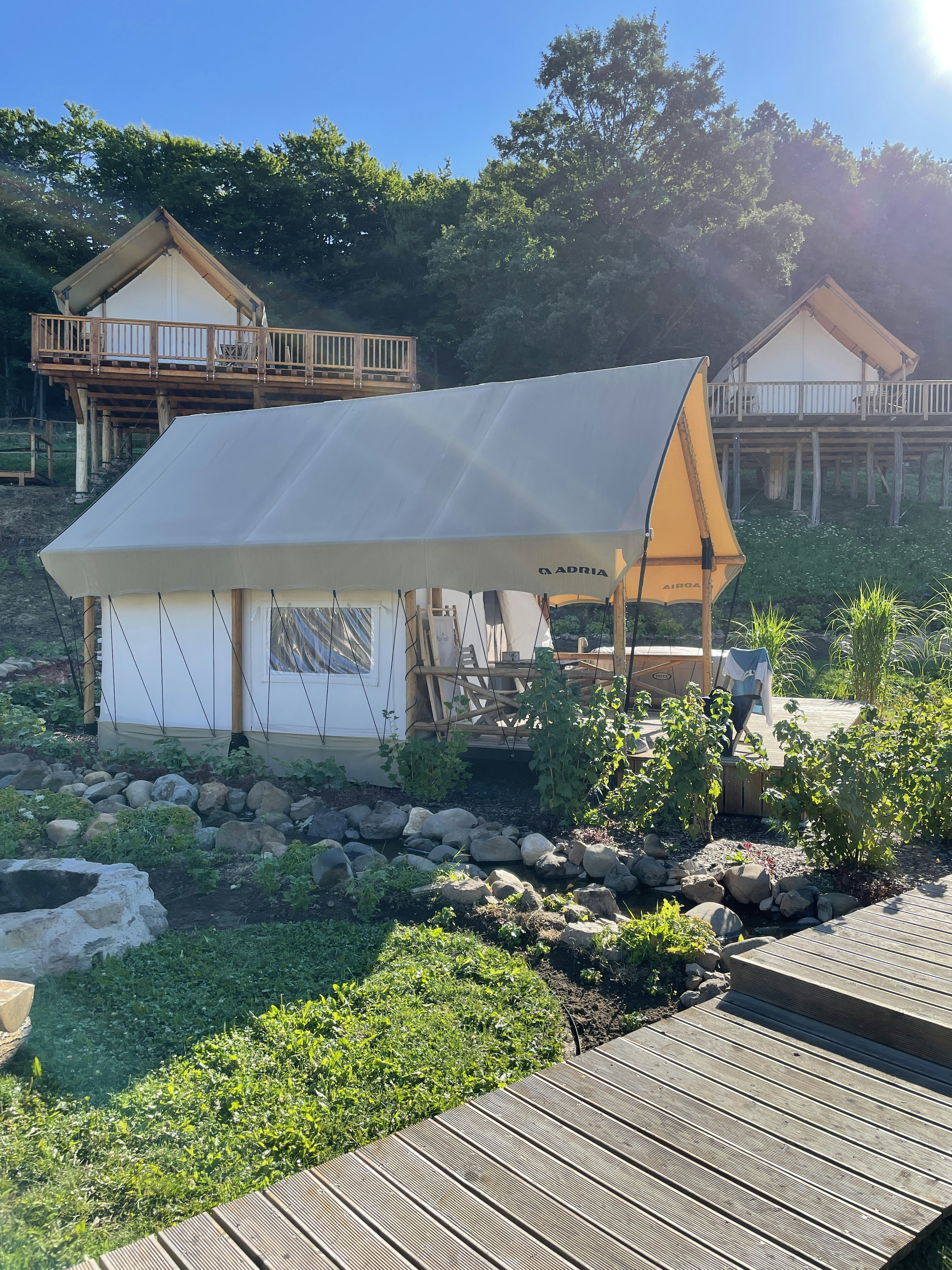
Kategori: Travel

  • Eco-Friendly Hotels: Where Comfort Meets Sustainability

    Eco-Friendly Hotels: Where Comfort Meets Sustainability

    Introduction to Eco-Friendly Hotels

    In recent years, the concept of eco-friendly hotels has emerged as a significant trend within the hospitality industry, reflecting a growing awareness of sustainability among travelers and business operators alike. As society becomes increasingly aware of environmental issues, the demand for accommodations that promote sustainable practices has surged. Eco-friendly hotels aim to minimize their ecological footprint while providing comfortable and enjoyable experiences for guests.

    The impact of travel on the environment cannot be overlooked. The hospitality sector contributes to a variety of environmental challenges, including excessive energy consumption, waste generation, and water scarcity. With ballooning travel numbers and the associated rise in carbon emissions, the need for greener alternatives has never been more critical. Eco-friendly hotels address these challenges by employing various sustainable practices such as energy-efficient systems, water conservation efforts, and waste reduction programs.

    Today’s travelers are more informed and conscious about their choices. As a result, there is a steady rise in the demand for green accommodations. Guests are increasingly seeking out hotels that prioritize sustainability, integrating eco-friendly initiatives into their operations. These may include sourcing local and organic foods, utilizing renewable energy sources, and adopting sustainable building designs. Consequently, many hotels are establishing programs that highlight their environmental commitment, enhancing their appeal to conscientious travelers.

    More than just offering a place to stay, eco-friendly hotels aim to create a holistic experience that fosters respect for nature and local culture. They provide travelers with the opportunity to engage in responsible travel, making choices that benefit the planet while still enjoying the comforts of modern accommodations. As the hospitality industry continues to evolve, eco-friendly practices stand at the forefront, representing a significant shift toward sustainability in travel.

    The Importance of Sustainability in Hospitality

    In recent years, the hospitality industry has witnessed a growing emphasis on sustainability, reflecting a broader societal shift towards environmental responsibility. Traditional hotels often have a significant ecological footprint due to high energy consumption, increased waste generation, and a disregard for local ecosystems. The implementation of sustainable practices in hospitality serves not only to combat these environmental challenges but also enhances the overall guest experience.

    One of the major areas of impact is waste reduction. Conventional hotels generate substantial amounts of waste from food services, toiletries, and disposable items. By adopting strategies such as recycling programs, composting organic materials, and minimizing the use of single-use plastics, hotels can significantly lower their waste output. These practices not only help the environment but also appeal to a growing clientele that prioritizes eco-friendliness in their travel choices.

    Energy conservation is another critical aspect of sustainability in the hospitality sector. Many hotels are now investing in renewable energy sources, such as solar panels and wind turbines, to power their operations. Additionally, implementing energy-efficient appliances and smart technology can help reduce energy consumption significantly. Guests are increasingly aware of and concerned about their carbon footprints, and these sustainability initiatives not only reduce operational costs for hotels but also resonate with environmentally conscious travelers.

    Moreover, preserving local ecosystems is vital for sustainable tourism. By engaging in responsible practices such as sourcing food locally, supporting wildlife conservation efforts, and minimizing the ecological impact of construction and renovations, hotels can contribute positively to their surroundings. This approach not only helps maintain the beauty and resources of the area but also provides guests with a more authentic and immersive local experience. Ultimately, the integration of sustainability into the hospitality industry not only meets growing consumer expectations but fosters a healthier planet for future generations.

    Key Features of Eco-Friendly Hotels

    Eco-friendly hotels are designed with characteristics that not only prioritize guest comfort but also champion sustainability. One of the primary features of these accommodations is the use of renewable energy. Many eco-friendly hotels invest in solar panels, wind turbines, or geothermal systems to power their facilities. This commitment significantly reduces their carbon footprint and leads to lower energy costs, which can enhance the quality of services offered to guests.

    Water conservation is another critical aspect of eco-friendly hotels. Many employ low-flow fixtures, greywater recycling systems, and rainwater harvesting techniques to minimize water usage. By implementing such measures, these hotels often achieve significant reductions in water consumption, which not only benefits the environment but also allows them to provide better infrastructure and amenities for guests without compromising quality.

    Furthermore, waste reduction practices play an essential role in defining eco-friendly accommodations. Many hotels implement recycling programs, composting initiatives, and digital communication to minimize paper usage. These practices create a cleaner, healthier environment for guests while promoting responsible stewardship of resources. Additionally, sustainable building materials such as reclaimed wood, bamboo, and recycled metals are often utilized in the construction and renovation of these hotels, contributing to overall aesthetic appeal and structural integrity.

    Lastly, dining options at eco-friendly hotels frequently emphasize healthy and locally sourced food. By partnering with local farmers and producers, these hotels ensure that meals are fresh, seasonal, and environmentally friendly. This focus not only supports local economies but also promotes a wholesome dining experience for guests, which enhances their overall satisfaction during their stay.

    Incorporating these key features fosters a unique blend of comfort and environmental responsibility in eco-friendly hotels, making them an attractive option for conscientious travelers.

    Certification and Standards for Sustainable Hotels

    In the growing movement toward sustainable tourism, various organizations have established certifications and standards that highlight the commitment of hotels to eco-friendly practices. These certifications provide a framework for assessing a hotel’s sustainability efforts, ensuring that they operate in an environmentally responsible manner. One of the most recognized certifications is the Green Key eco-label, which is awarded to hotels that adhere to a strict set of environmental criteria, including energy efficiency, waste management, and water conservation. The Green Key program also emphasizes community involvement and social responsibility, making it a comprehensive choice for eco-conscious travelers.

    Another prominent certification is the Leadership in Energy and Environmental Design (LEED), which is administered by the U.S. Green Building Council. LEED certification focuses on the design, construction, and operation of environmentally sustainable buildings, encompassing aspects such as energy use reduction, sustainable site development, and the conservation of water. Hotels that achieve LEED certification must demonstrate significant energy-saving measures and a commitment to reducing their carbon footprint, making them a reliable option for discerning travelers interested in sustainability.

    Additionally, EarthCheck is a globally recognized certification program that tailors its assessment to the specific environmental practices of hospitality businesses. This certification emphasizes continuous improvement and provides hotels with benchmarks for sustainability measures like carbon emissions, water usage, and waste management. EarthCheck’s rigorous standards ensure that certified properties are genuinely sustainable and meet the increasing expectations of environmentally conscious guests.

    Credibility in these certifications is pivotal when choosing a sustainable hotel. Encouraging customers to support establishments that align with their values, these certifications serve as a guide to recognizing genuine efforts towards sustainability. As travelers become more informed about their environmental impact, selecting hotels with these recognized certifications is an essential step in promoting sustainable tourism practices.

    Top Eco-Friendly Hotels Around the World

    The increasing demand for sustainable tourism has led to a notable rise in eco-friendly hotels across the globe. These establishments not only prioritize environmental conservation but also provide unique and memorable experiences for their guests. Here, we highlight some of the top eco-friendly hotels that exemplify sustainability while ensuring comfort and luxury.

    One standout is the Whitepod Eco-Luxury Hotel in Switzerland. Nestled in the Swiss Alps, this unique accommodation comprises geodesic dome pods that minimize the ecological footprint. The property uses locally sourced materials, harnesses renewable energy, and has implemented a waste management program that significantly reduces waste. Guests can enjoy stunning mountain views while participating in activities such as hiking and skiing, all within an eco-conscious environment.

    In the heart of Costa Rica, the Lapa Rios Lodge showcases the beauty of sustainable tourism. This eco-lodge offers guests immersive experiences in the rainforest, overlooking the pristine Pacific coastline. Powered by solar energy, it utilizes rainwater harvesting systems and composting toilets, demonstrating its commitment to preserving local biodiversity. The lodge also supports community initiatives, creating a holistic approach to sustainability.

    Across the Atlantic, the Arctic Bath Hotel in Sweden presents a novel concept for eco-friendly accommodation. Located on the Lule River, this floating hotel features a unique design that facilitates integration with nature. The hotel utilizes eco-friendly materials and an innovative energy system, ensuring minimal impact on the surrounding environment. Visitors can partake in activities like dog sledding or winter bathing, embracing the stunning Arctic landscapes.

    Lastly, the Chaulty Beach Resort in Thailand takes strides towards environmental conservation. This beachfront sanctuary practices sustainable farming and utilizes biodegradable materials within the resort. It offers guests a serene experience while engaging in eco-focused activities such as snorkeling in protected reefs, thus enhancing both tourism and marine conservation.

    These hotels encapsulate the concept of eco-friendly accommodations, proving that comfort and sustainability can indeed coexist harmoniously.

    Guest Experience in Eco-Friendly Hotels

    Eco-friendly hotels are committed to providing a comfortable and luxurious experience for their guests while emphasizing sustainable practices. These establishments carefully curate their services to align with environmentally conscious principles, ensuring that comfort does not come at the expense of sustainability. From the moment guests arrive, they are greeted by eco-aware hospitality that integrates green practices into their everyday experience.

    One of the notable features of eco-friendly hotels is the incorporation of eco-conscious amenities. Guests can expect rooms furnished with organic textiles, energy-efficient lighting, and water-saving fixtures. These thoughtfully selected details promote not only environmental responsibility but also enhance overall guest satisfaction. Many hotels also utilize natural cleaning products, contributing to improved indoor air quality and a healthier environment for all.

    Additionally, eco-friendly hotels often offer curated local tours that allow guests to explore the surrounding nature while supporting local communities. These tours may include guided hikes, wildlife spotting, or visits to nearby organic farms. Engaging with local culture and the environment allows visitors to create lasting memories while practicing responsible tourism.

    For wellness enthusiasts, organic spa treatments are a staple in eco-friendly hotels. These treatments often utilize locally sourced, natural products that provide therapeutic benefits while minimizing environmental impact. Guests can indulge in rejuvenating experiences that foster relaxation while supporting ethical sourcing and eco-friendly practices.

    Dining options at eco-friendly hotels are typically focused on sustainability as well. Many establishments prioritize locally sourced ingredients, organic produce, and plant-based dishes that reduce their carbon footprint. By offering menus that reflect a commitment to sustainability, these hotels not only provide a delightful culinary experience but also encourage guests to make environmentally conscious choices during their stay.

    Innovative Practices in Eco-Friendly Hospitality

    As the travel industry becomes increasingly aware of its environmental impact, eco-friendly hotels are adopting innovative practices to promote sustainability without sacrificing comfort. One prominent area is the integration of smart technology for energy management. Hotels are now employing advanced systems that monitor and control energy consumption, ensuring it remains at optimal levels. For instance, automated lighting and temperature systems adjust based on occupancy, reducing waste. This approach not only lowers utility costs but also minimizes the carbon footprint associated with traditional hospitality practices.

    In addition to energy management, eco-friendly hotels are implementing creative recycling programs to manage waste responsibly. Many establishments have established comprehensive recycling initiatives that encourage guests and staff to participate actively. This involves not only the recycling of common materials such as paper and plastic but also implementing composting systems for organic waste. By educating visitors on the importance of waste reduction and offering accessible recycling options, these hotels promote an overall culture of sustainability.

    Community involvement is another critical aspect of innovation in eco-friendly hospitality. Many establishments are forging partnerships with local organizations to promote environmental initiatives and support local economies. This can include sourcing food from local farmers and artisans, thereby reducing transportation emissions and fostering a sense of community. Additionally, some hotels offer guests opportunities to participate in local conservation efforts, such as tree planting or wildlife preservation activities, integrating responsible tourism with community improvement.

    Eco-friendly hotels are also leading the way in forming collaborations with local businesses to enhance their sustainability practices. These partnerships allow hotels to provide guests with eco-friendly products and services while simultaneously boosting local economies. By sharing resources and knowledge, both hotels and local businesses are creating a model of sustainable hospitality that promises to inspire others in the industry.

    How to Choose an Eco-Friendly Hotel

    Choosing an eco-friendly hotel requires careful consideration of various factors to ensure a sustainable and comfortable experience. First, conducting thorough research on a hotel’s sustainability practices is essential. Look for information on their water and energy conservation efforts, waste management systems, and use of locally sourced materials. Many hotels also provide insights into their community involvement and initiatives aimed at reducing their environmental footprint.

    Another important aspect is understanding the certifications awarded to hotels. Various organizations, such as Green Key, LEED, and EarthCheck, provide certifications that signify a hotel’s commitment to sustainable practices. These certifications often include audits and verifications by independent third parties, ensuring that the hotel’s claims are credible. When selecting your accommodation, prioritize hotels that possess recognized eco-certifications, as this indicates a more reliable approach to sustainability.

    Reading guest reviews can also serve as a valuable tool when analyzing a hotel’s eco-friendly credentials. Travelers often share their experiences regarding a hotel’s environmental actions, such as whether they implement recycling programs or offer organic food options. User-generated content can provide insights that are not always present in marketing materials, highlighting potential strengths or weaknesses in their eco-friendly practices.

    Finally, consider the hotel’s location in relation to attractions that promote eco-tourism. Proximity to nature reserves, parks, and local cultural sites can enhance your experience while supporting responsible tourism. Moreover, selecting a hotel that offers eco-friendly transportation options, such as bike rentals or electric vehicle charging stations, can further minimize your carbon footprint during your trip. By carefully evaluating these factors, travelers can make informed decisions and enjoy a stay that aligns with their values of sustainability and eco-consciousness.

    The Future of Eco-Friendly Hotels

    The hospitality industry is on the brink of a transformation that emphasizes sustainability, tapping into the growing consumer demand for eco-friendly practices. As the awareness of environmental issues increases, hotels are evolving to meet these expectations. The future of eco-friendly hotels appears promising, characterized by increasing innovations and practices aimed at reducing carbon footprints while enhancing the guest experience.

    Emerging trends indicate a significant shift as hotels adopt greener designs, energy-efficient systems, and locally sourced products. For instance, the integration of renewable energy sources such as solar panels has become a standard practice in many establishments. These hotels are not only minimizing their environmental impact but also setting an example for the industry. Biophilic design, which incorporates natural elements into architecture, is gaining traction. This trend enhances aesthetic appeal while promoting a sustainable ethos, creating a harmonious balance between nature and hospitality.

    However, the journey towards widespread adoption of eco-friendly practices is not without challenges. High initial investment costs and the need for staff training on sustainability protocols can pose obstacles for many hotels. Additionally, immediate guest comfort may at times be prioritized over long-term sustainability goals, leading to a slower transition. Nevertheless, the shift towards eco-friendliness presents numerous opportunities. Hotels that prioritize sustainability are now viewed as attractive destinations, appealing especially to environmentally conscious travelers.

    Moreover, technology plays a vital role in the future of eco-friendly hotels. Advances in smart technology can optimize energy usage, manage water consumption, and streamline operations, contributing to a more sustainable model of hospitality. As consumer demands evolve, the hospitality industry must innovate, ensuring that eco-friendly hotels remain not only a better choice for the environment but also a desirable option for travelers seeking luxurious yet sustainable experiences.


  • Top 10 Budget Accommodations for Solo Travelers: Affordable and Social Options

    Top 10 Budget Accommodations for Solo Travelers: Affordable and Social Options

    Introduction to Budget Travel for Solo Adventurers

    Budget travel has become an essential aspect of modern exploration, particularly among solo adventurers seeking both affordability and unforgettable experiences. The rise of solo travel among diverse age groups and backgrounds reflects a growing desire for self-discovery, cultural immersion, and connection with the world. One of the most significant aspects of embarking on a solo journey is finding budget accommodations, which play a pivotal role in shaping travel experiences.

    Opting for budget-friendly lodging not only allows travelers to stretch their financial resources further but also provides the necessary flexibility to explore a variety of destinations. With lower expenditure on accommodations, solo travelers can allocate their finances towards activities and experiences that enrich their journeys. When operating on a budget, every dollar saved on lodging can enable adventurers to indulge in authentic dining, local attractions, and unique experiences that contribute to a more fulfilling trip.

    Moreover, budget accommodations often enhance the social aspect of travel. Hostels, guesthouses, and shared lodgings frequently host communal areas where travelers can meet, mingle, and share stories, effectively breaking down barriers and creating opportunities for new friendships. These social interactions foster a sense of belonging, offering solo travelers the chance to connect with fellow explorers from around the globe, further enhancing the overall experience. This interplay between affordability and the chance to meet new people is crucial for solo adventurers seeking both value and enriching encounters during their travels.

    As the trend of budget-conscious travel influences the industry, numerous affordable and social options continue to emerge. This evolution makes it easier for solo travelers to discover the world, allowing for a myriad of possibilities without financial constraints. Ultimately, embracing budget travel enables solo adventurers to enjoy their journeys to the fullest, creating lasting memories that transcend the limitations of their wallets.

    Hostels: The Classic Choice for Solo Travelers

    When it comes to budget accommodations for solo travelers, hostels frequently emerge as a top contender. Renowned for their affordability and unique social atmosphere, hostels offer an inviting environment conducive for meeting fellow adventurers from across the globe. The dormitory-style rooms, typically featuring bunk beds, enable travelers to save on accommodation costs while providing a communal space to interact with others. This shared living arrangement fosters a sense of camaraderie, making it easy for solo travelers to connect with like-minded individuals.

    Moreover, the intrinsic social element of hostels is a significant advantage for those traveling alone. Many hostels offer communal kitchens, lounges, and activity boards where guests can share experiences or plan group excursions. Such interactions often lead to newfound friendships, creating lasting memories and enriching one’s travel experience. Additionally, hostels frequently organize social events, such as pub crawls, game nights, or local tours, which further facilitate engagement among guests.

    While finding a hostel, it is paramount to seek out reputable establishments. Reading online reviews on platforms such as Hostelworld and Booking.com can provide insights into the quality of service and overall atmosphere. Furthermore, when evaluating potential accommodations, consider amenities such as free Wi-Fi, lockers for personal belongings, and kitchen facilities. Safety should also be a priority; ensure that the hostel has security measures in place, like key card access or 24-hour reception. Ultimately, a well-chosen hostel can significantly enhance a solo traveler’s adventure, providing both affordability and opportunities for socialization. By carefully selecting the right place, travelers can enjoy an enriching experience while keeping their travel costs in check.

    Couchsurfing: Stay with Locals for Free

    Couchsurfing has emerged as a revolutionary approach to accommodation for solo travelers seeking both affordability and community engagement. This online platform connects travelers with local hosts willing to offer their couch or spare room at no cost. The fundamental premise of Couchsurfing is rooted in trust and hospitality, allowing users to immerse themselves in the local culture while building connections with residents. To start, travelers create a profile, detailing their travel experiences and interests, which helps potential hosts assess compatibility.

    One of the most significant benefits of Couchsurfing is the opportunity to interact with locals. Engaging with a host provides invaluable insights into the destination, from recommendations for hidden gems to understanding cultural nuances that tourists might miss. Moreover, Couchsurfing often fosters friendships that extend beyond mere hospitality, as many hosts are eager to share their city through guided tours, meals, or shared activities. This social aspect ultimately enriches the travel experience, making it more memorable and rewarding.

    While Couchsurfing presents many advantages, safety remains a crucial aspect. Travelers are advised to thoroughly read host profiles and reviews, ensuring that they choose individuals with positive feedback and a verified identity. Establishing open communication before arrival can also help establish comfort levels and clarify expectations. It is essential for solo travelers to trust their instincts; if something doesn’t feel right, they should not hesitate to seek alternative options or even leave an unfavorable situation.

    Success stories abound among solo travelers who have embraced Couchsurfing, often highlighting instances of lasting friendships and culturally immersive experiences. By opting for Couchsurfing, solo adventurers not only secure budget-friendly accommodation but also engage in a global community driven by the spirit of camaraderie and cultural exchange.

    Budget Hotels: Comfort at a Lower Price

    When traveling alone, solo travelers often seek budget hotels that provide both comfort and affordability. These accommodations cater specifically to individuals, offering a blend of privacy and essential amenities. Most budget hotels feature cozy rooms equipped with basic furnishings, ensuring a restful sleep after a day of exploring. While they may not boast luxurious decor, they are designed to meet the needs of those traveling on a limited budget.

    Budget hotels typically prioritize user-friendly services, ensuring each guest feels welcome. Expect essential amenities such as complimentary Wi-Fi, television, and in some cases, breakfast included in your rate. A clean environment is another hallmark of these establishments, as hygiene and sanitation play a crucial role in a pleasant stay. Furthermore, many budget hotels offer 24-hour front desk services, enhancing security and convenience for solo travelers.

    In terms of options, consider reputable budget hotel chains such as Ibis, Holiday Inn Express, and Premier Inn. These establishments have garnered positive reviews for their consistency in quality, customer service, and overall value. Additionally, local hidden gems, such as family-run guesthouses or boutique hotels, can provide unique experiences at a fraction of the cost often associated with larger chains. Staying at these establishments not only allows one to enjoy a comfortable stay but also offers chances for social interactions with fellow travelers, which is invaluable for those journeying alone.

    Ultimately, budget hotels represent a smart choice for solo travelers seeking both comfort and community without straining their finances. With a plethora of options widely available, travelers can find a suitable place to recharge, plan the next adventure, and potentially meet new friends along the way.

    Airbnb: Unique Stays for Every Budget

    As a solo traveler, Airbnb presents an array of options that can cater to different budgets while offering a unique travel experience. One of the key advantages of using Airbnb is the ability to find affordable private rooms, which can provide both financial savings and the opportunity for localized experiences. Private rooms are often found in residential neighborhoods, allowing travelers to immerse themselves in the local culture while enjoying the comforts of home. In contrast, entire homes are available for those who may prefer more space or privacy, although these tend to be priced higher. Ultimately, the choice between a private room or an entire home should depend on the traveler’s budget and personal preferences.

    Airbnb listings are known for their distinctive accommodations, ranging from treehouses to converted warehouses, which can add an element of excitement to a solo trip. This diversity contributes to the overall enriching experience of solo travel, as staying in unusual properties often allows for storytelling and connection with fellow travelers. Additionally, engaging with hosts can enhance your trip; many hosts are eager to share local insights and recommendations that may not be found in traditional travel guides.

    When searching for the perfect Airbnb, reading reviews becomes a critical part of the process. Travel enthusiasts should pay attention to both the quantity and quality of reviews to assess previous guests’ experiences. Hosts with consistent, positive feedback often provide a reliable and safe environment for solo travelers. Furthermore, look for Superhost badges, which indicate a proven track record of hospitality and service excellence. By carefully evaluating the listings and paying close attention to the details presented in the reviews, solo travelers can ensure a memorable and safe stay, making the most of their adventures with Airbnb.

    Camping and Glamping: Nature Lovers’ Lodging

    For solo travelers seeking budget accommodations, camping and glamping present unique opportunities to connect with nature while remaining cost-effective. Camping involves setting up a tent or utilizing basic facilities in a designated outdoor area, allowing individuals to immerse themselves in natural surroundings. This experience not only offers tranquility and adventure but also facilitates social interactions with fellow campers who share similar interests in the outdoors.

    For those less inclined towards traditional camping, glamping presents an appealing alternative. Combining ‘glamorous’ and ‘camping’, glamping offers a more comfortable experience, featuring amenities such as real beds, electricity, and private bathrooms while still enabling access to nature. This means that solo travelers can enjoy the outdoor experience without sacrificing comfort. Both options create a unique atmosphere, encouraging self-reflection and providing opportunities to meet like-minded individuals.

    Embarking on a solo camping trip can be rewarding, as it encourages independence and self-sufficiency. Before setting out, it is crucial to research and select safe and welcoming camping grounds. Online platforms provide valuable resources where campers can find reliable information about campgrounds, including user reviews and ratings regarding safety and amenities. Additionally, it is advisable to choose locations that offer organized activities, helping solo travelers engage with others and participate in community events.

    When planning your adventure, consider the time of year and weather conditions to ensure a comfortable experience. Packing essential gear, such as a quality tent, sleeping bag, and cooking supplies, will enhance your camping experience. Whether you opt for basic camping or a more luxurious glamping experience, both offer marvelous opportunities for solo travelers to reconnect with nature and explore new terrains without breaking the bank.

    Retreats and Hostels with a Purpose

    For solo travelers seeking to combine budget accommodations with opportunities for personal growth, wellness retreats, meditation centers, and volunteer programs provide a unique and enriching experience. These options not only offer affordable lodging but also create a supportive environment conducive to self-discovery and learning. By integrating social elements into their offerings, these retreats and hostels encourage solo adventurers to connect with like-minded individuals, fostering a sense of community.

    Wellness retreats are particularly popular among solo travelers looking for relaxation and rejuvenation. Many of these retreats are set in serene locations, offering programs that include yoga classes, mindfulness workshops, and nutrition coaching. Notable examples include the Kripalu Center for Yoga & Health in Massachusetts and the Blue Spirit Retreat in Costa Rica. Both venues provide accessible pricing options for individuals who wish to deepen their practice and connect with others on a similar journey.

    Meditation centers also serve as excellent accommodations with a purpose. Facilities such as the Insight Meditation Society in Massachusetts and the Shambhala Mountain Center in Colorado offer affordable lodging along with structured meditation programs. These centers emphasize mindful living and personal growth, creating an atmosphere that is not only peaceful but also conducive to inner reflection.

    Volunteer programs represent another avenue for solo travelers to benefit both personally and socially. Organizations like WWOOF (Worldwide Opportunities on Organic Farms) and HelpX facilitate temporary placements on farms, hostels, and conservation projects in exchange for work assistance. Such programs not only provide budget-friendly lodging but also allow travelers to engage in meaningful projects, gain new skills, and build lasting friendships with fellow volunteers.

    House Sitting: Travel for Free in Exchange for Care

    House sitting is an increasingly popular option for solo travelers seeking to explore new destinations without incurring significant accommodation costs. This arrangement allows individuals to stay in someone else’s home while caring for their property and, in many cases, their pets. By participating in house sitting, travelers can enjoy the comforts of a real home in local neighborhoods, which fosters a more authentic travel experience compared to traditional lodging.

    Engaging in house sitting comes with specific responsibilities. Typically, house sitters are expected to maintain the cleanliness of the property, monitor security, and care for any pets. This may involve daily walks, feeding, and administering medications as required. It is crucial for potential house sitters to communicate clearly with homeowners about expectations, timelines, and duties to ensure a successful experience for both parties involved.

    Numerous online platforms have emerged to connect house sitters with homeowners in need, making it easier than ever to find opportunities. Websites such as TrustedHousesitters, HouseSitMatch, and MindMyHouse serve as valuable resources for solo travelers. These platforms allow individuals to create profiles that showcase their experience and references, helping to build trust with homeowners. Furthermore, many of these websites offer worldwide listings, from urban apartments to rural retreats, catering to various preferences and travel aspirations.

    Many travelers who have embraced house sitting have shared their enriching experiences. For instance, one solo traveler might recount a memorable house sit in a quaint English village, where they bonded with a golden retriever named Max while exploring picturesque countryside trails. Another may highlight the friendships formed and local insights gained by living in a neighborhood rather than a tourist area. Such stories exemplify how house sitting not only mitigates accommodation expenses but also creates opportunities for cultural immersion and community engagement.

    Conclusion: Finding the Right Fit for Your Solo Journey

    Choosing the right accommodation is a crucial aspect of any solo traveler’s journey. The myriad of options available, ranging from hostels to budget hotels, means that travelers can find a suitable place that aligns with their personal preferences and financial constraints. Understanding one’s travel goals is fundamental. For instance, if a traveler seeks solitude to engage in personal reflection, a quiet guesthouse may be preferable. Alternatively, if the aim is to forge connections and engage with other travelers, a vibrant hostel or co-living space would be more fitting.

    When navigating budget accommodations, it is essential to consider aspects such as location, amenities, and the potential for social interaction. Many budget options offer communal spaces that encourage interaction among guests, fostering a sense of community often lacking in more traditional lodging. These shared environments can lead to the formation of friendships and provide valuable opportunities for cultural exchange. Solo travelers are encouraged to embrace these social aspects, making the journey not just about the destination but also about the connections built along the way.

    Ultimately, the experience of solo travel can be significantly enriched by choosing the right form of accommodation. Financially savvy options not only help keep costs down but also open doors to unique experiences and interactions. By carefully weighing personal needs against what each accommodation offers, solo travelers can find a balance that enhances their adventure. As such, selecting the appropriate lodging can transform a solo journey into a memorable experience tailored to individual desires and aspirations, all while celebrating the enriching nature of community and connection.

  • The Ultimate Guide to Beachfront Villas in Thailand

    The Ultimate Guide to Beachfront Villas in Thailand

    Introduction to Beachfront Villas in Thailand

    Beachfront villas in Thailand represent an ideal blend of luxury and natural beauty, offering travelers remarkable accommodations that enhance their overall experience. Nestled along the pristine shores of Thailand’s world-renowned beaches, these villas provide direct access to breathtaking ocean views and invigorating sea breezes, creating a serene and picturesque environment. The unique charm of beachfront properties lies not only in their stunning vistas but also in the tranquility they offer, allowing guests to escape the hustle and bustle of daily life.

    Thailand, known for its rich cultural heritage and stunning landscapes, is a prime location for beachfront villas. The country’s diverse geography features a variety of coastline options, from the vibrant beaches of Phuket to the secluded coves of Koh Samui. Each region presents its own distinct experiences, attracting visitors seeking relaxation or adventure. Beachfront villas in Thailand cater to all types of travelers, including families, couples, or individuals looking for solitude, making them a popular choice for accommodation.

    The allure of staying in a beachfront villa extends beyond the incredible views and proximity to the ocean. These luxurious properties often come equipped with amenities such as private pools, spacious living areas, and personalized services that enhance the overall experience. Guests can enjoy the convenience of being steps away from the beach, allowing them to indulge in various water activities, sunbathing, or simply savoring the sounds of the ocean. This quintessential blend of comfort, privacy, and access to nature positions beachfront villas as an appealing option for those seeking a memorable retreat in Thailand.

    Top Locations for Beachfront Villas in Thailand

    Thailand is renowned for its stunning coastline and luxurious beachfront villas, making it a prime destination for travelers seeking a tranquil retreat. Among the top locations for beachfront villas, Phuket, Koh Samui, Krabi, and Koh Phi Phi stand out for their unique offerings and picturesque landscapes.

    Phuket, Thailand’s largest island, boasts an impressive array of beaches and vibrant nightlife. Patong Beach, known for its bustling atmosphere, offers beachfront villas that provide easy access to restaurants and entertainment. For a more serene experience, Kata and Karon beaches present quieter options with breathtaking views. Visitors can indulge in various activities, including snorkeling, diving, and exploring the island’s cultural sites, such as the Big Buddha and Wat Chalong.

    Koh Samui is another exceptional choice, famous for its palm-fringed beaches and luxurious accommodations. Chaweng Beach takes the spotlight, offering a lively scene filled with bars and eateries, while quieter stretches like Lamai Beach are ideal for relaxation. Koh Samui’s beachfront villas often come with infinity pools and easy beach access, attracting families and couples alike. Local attractions, such as the Ang Thong National Marine Park, provide opportunities for adventure and exploration.

    Krabi, home to spectacular limestone cliffs and pristine waters, offers a more laid-back vibe. Railay Beach, one of its most famous, is accessible only by boat and features stunning rock formations and clear waters. Beachfront villas in Krabi provide a perfect blend of comfort and natural beauty, with options ranging from rustic bungalows to modern luxury homes. Visitors can explore nearby islands, such as the Phi Phi Islands, known for their incredible snorkeling and diving spots.

    Koh Phi Phi is famed for its dramatic scenery and vibrant nightlife. The island’s beachfront villas, situated directly on the beautiful sand, offer unobstructed views of the turquoise waters. Although it can be crowded, the stunning beaches, such as Long Beach, make it a highly desirable location. Local attractions include snorkeling in Maya Bay or hiking to the viewpoint for panoramic island views.

    Choosing the right beachfront villa in Thailand ultimately depends on personal preferences for ambiance and activities. Each of these locations presents unique characteristics that cater to various tastes, ensuring a memorable getaway.

    Choosing the Right Beachfront Villa

    When selecting a beachfront villa in Thailand, it is essential to consider several factors to ensure a memorable and enjoyable stay. One of the primary considerations is the size of the villa. Depending on the number of travelers, you should assess whether you require a spacious property to accommodate your group comfortably. A well-sized villa can significantly enhance your overall experience by providing ample space for relaxation and recreation.

    Another important aspect to deliberate upon is the amenities offered by the villa. Different beachfront villas may come with varying facilities such as private pools, wellness centers, and modern kitchens. Ensuring that the amenities align with your preferences will contribute to a more fulfilling holiday experience. It may also be advantageous to prioritize properties equipped with essential conveniences like Wi-Fi, air conditioning, and entertainment options for additional comfort.

    Proximity to local attractions is also a crucial factor; consider how close the villa is to popular tourist destinations, dining options, and cultural sites. Being situated near these attractions can enhance your stay, allowing you to explore the surroundings with ease. Researching local transportation options can also provide insights into the convenience of accessing these attractions.

    Your budget will ultimately influence your choice as well. It is advisable to set a realistic budget that encompasses all aspects of your stay, including potential additional fees for services or activities. Make sure to obtain a clear understanding of the pricing structure before booking, as this can vary significantly among different villas.

    Lastly, evaluating the overall environment surrounding the villa is crucial. This includes assessing the beach quality, neighborhood safety, and the nature of nearby tourist activities. Engaging with property managers or hosts can yield useful information about the area and help facilitate informed decisions, guiding you toward a beachfront villa that meets your needs and expectations.

    Luxury Amenities and Services in Beachfront Villas

    Beachfront villas in Thailand are synonymous with luxury and relaxation, offering an array of high-end amenities that significantly elevate the vacation experience. One of the most coveted features of these properties is the private pool. Often set against stunning ocean views, these pools provide guests the opportunity to indulge in a refreshing swim at any time of day, all while enjoying the tranquility and privacy that comes with a secluded villa. The serene backdrop makes for an ideal setting, whether for a morning dip or an evening cocktail party.

    Additionally, beachfront villas frequently come equipped with dedicated staff, ensuring that every aspect of a guest’s stay is catered to with the utmost care. This may include housekeeping, concierge services, and personal assistants, allowing guests to focus on relaxation without the distraction of daily chores. Having attentive staff members can greatly enhance the experience, as they are able to provide local insights, arrange activities, and handle any requests that might arise during the stay.

    Onsite chefs represent another hallmark of luxury in beachfront villas. These culinary professionals prepare personalized meals tailored to guests’ preferences, offering gourmet dining that highlights Thailand’s rich flavors. With the convenience of dining in a private setting, guests can enjoy exquisite meals while taking in breathtaking views of the beach, enhancing their overall experience.

    Furthermore, many villas offer spa services, allowing guests to indulge in massages and wellness treatments without leaving the comfort of their accommodation. This service adds a layer of relaxation and rejuvenation, ensuring that guests feel refreshed throughout their stay. In summary, the combination of private pools, dedicated staff, gourmet chefs, and spa services make beachfront villas in Thailand a premier choice for those seeking an unforgettable luxurious getaway.

    Activities and Experiences Near Beachfront Villas

    Beachfront villas in Thailand provide an ideal base for exploring a multitude of activities and experiences that cater to diverse interests. Visitors can immerse themselves in the pristine natural environment or delve into the rich cultural tapestry that the country has to offer. One of the most popular attractions is the abundance of water sports available in the warm, azure waters. Snorkeling and diving are among the favored activities, as they allow travelers to discover the vibrant marine life that thrives in the coral reefs surrounding the islands. Equipment rentals are often conveniently available nearby, making it easy to embark on an underwater adventure.

    In addition to water sports, cultural experiences abound for those interested in learning about Thai traditions and heritage. Visitors can take guided tours to some of the stunning temples that dot the landscape, such as Wat Phra Kaew or Wat Arun, where they can admire the intricate architecture and serene surroundings. Festivals are also a significant aspect of Thai culture, and depending on the time of year, tourists may have the chance to participate in local celebrations, providing a unique glimpse into the vibrant community life.

    Culinary adventures further enhance the beachfront experience. Guests can indulge in local dining at beachside restaurants, where fresh seafood and authentic Thai cuisine delight the palate. For those wishing to take their culinary skills to the next level, cooking classes are widely offered, allowing participants to learn how to prepare traditional Thai dishes using fresh ingredients sourced from local markets.

    By engaging in these activities, visitors not only enjoy their beachfront villa stay but also create lasting memories that seamlessly blend the beauty of nature with the richness of Thai culture.

    Planning Your Stay: Best Times to Visit

    When considering a stay in a beachfront villa in Thailand, timing plays a crucial role in optimizing your experience. Thailand has a tropical climate, which can be broadly divided into three main seasons: the cool season, the hot season, and the rainy season. Each of these seasons presents unique weather patterns and experiences ideal for different types of travelers.

    The cool season, spanning from November to February, is often regarded as the best time to visit Thailand. During these months, temperatures are pleasantly warm with lower humidity levels, making it suitable for outdoor activities such as beach lounging, snorkeling, and exploring local attractions. Peak tourist season typically coincides with this period, particularly around Christmas and New Year, which means beachfront villas may experience higher demand and increased rates. However, this high season ensures vibrant local events and activities, ideal for those wanting to immerse themselves in Thai culture.

    The hot season, stretching from March to May, tends to see a rise in temperatures, often exceeding 35°C (95°F). While this season is less crowded, it may limit some activities during peak daylight hours. However, visitors can still enjoy a beachfront villa experience, with many opting for water sports and cooler evenings. Special events, such as Songkran, the Thai New Year celebrated in mid-April, offer vibrant cultural experiences despite the heat.

    The rainy season, from June to October, can dissuade some travelers due to unpredictable downpours, though many regions still see plenty of sunny intervals. This period generally sees lower occupancy rates, allowing for more competitive pricing on beachfront villas. Furthermore, lush landscapes and fewer crowds can provide a serene retreat for those willing to embrace the spontaneity of the weather. Ultimately, the ideal time to visit will depend on individual preferences, encompassing considerations for weather, activities, and local events.

    Budgeting for Your Beachfront Villa Experience

    Traveling to Thailand for a beachfront villa holiday can be a sumptuous experience, but effective budgeting is essential to ensure that the trip remains enjoyable without straining financial resources. Begin by evaluating accommodation costs, which can vary significantly based on location, time of year, and the specific amenities offered. Typically, beachfront villas in Thailand range from affordable options to luxurious, high-end properties. Comparing prices on multiple booking platforms and considering travel during the off-peak season can yield substantial savings.

    Food expenses constitute another category to consider when budgeting for your beachfront villa vacation. While many villas offer kitchen facilities, allowing for self-catering, dining out can also be reasonably priced in Thailand. Local markets and street food stalls present authentic culinary experiences at lower costs compared to high-end restaurants. Allocating a daily food budget can help you keep track of spending while allowing for occasional splurges on fine dining.

    Transportation costs should not be overlooked, as they often add up quickly. Depending on the villa’s location, you may need to budget for car rentals, taxi fares, or shuttle services to reach local attractions. Researching local transportation options in advance, including public transport and ride-sharing services, can help you make informed decisions and save money. Moreover, be mindful of hidden fees such as service charges, cleaning fees, and deposits often associated with villa rentals. Thoroughly reading rental agreements and asking questions can prevent unexpected financial surprises.

    Lastly, prioritize a buffer in your budget for activities and excursions. Thailand offers an array of adventures, from snorkeling to cultural excursions, that can enhance your beachfront villa experience. Setting aside a portion of your budget for these activities allows for flexibility and spontaneity while enjoying the luxury of your chosen accommodations.

    Tips for a Memorable Beachfront Villa Stay

    Planning a stay at a beachfront villa in Thailand can be an exciting experience, filled with the promise of relaxation and adventure. To ensure that your stay is nothing short of memorable, consider a few practical tips that can enhance your overall experience. First and foremost, packing wisely is crucial. Be sure to include both casual beachwear and more formal attire for any on-site dining experiences. Footwear is also important; flip-flops for the beach and enclosed shoes for excursions can help you navigate different environments comfortably.

    Once you arrive at your beachfront villa, take the time to explore and make the most of the amenities available. Many villas come with private pools, outdoor spaces, and kitchen facilities. Consider preparing a meal using local ingredients from nearby markets, allowing you to experience authentic Thai cuisine. You might also want to schedule any special services such as in-villa spa treatments or private chefs in advance to avoid disappointment.

    When interacting with villa staff, maintain a level of politeness and appreciation. These individuals are often dedicated to ensuring that your stay is enjoyable, so respectful communication can go a long way. Familiarizing yourself with basic Thai phrases can also enhance your interactions and show courtesy towards staff members. Additionally, take the opportunity to ask for recommendations for local attractions, restaurants, or cultural experiences; their insights can often lead to memorable outings.

    Lastly, consider budgeting some time for excursions outside of your beachfront villa. Exploring nearby islands, engaging in water sports, or visiting local markets can provide a well-rounded experience of Thai culture. By following these tips, you can ensure that your beachfront villa stay is as enjoyable and enriching as possible.

    Conclusion: Your Dream Beachfront Villa Awaits

    As we draw this comprehensive exploration of beachfront villas in Thailand to a close, it becomes increasingly clear that these luxurious accommodations offer a unique blend of comfort, beauty, and tranquility. The allure of waking up to the sound of gentle waves and the sight of breathtaking ocean views cannot be overstated. For those seeking a serene escape or an adventurous getaway, these villas represent the perfect opportunity to immerse oneself in the idyllic surroundings of the Thai coast.

    Throughout this guide, we have highlighted various destinations renowned for their stunning beachfront villas, ranging from the bustling beaches of Phuket to the serene shores of Koh Samui. Each location presents its own charm and a host of activities, allowing visitors to tailor their experience according to their preferences. Whether one desires vibrant nightlife, exquisite dining, or tranquil sunbathing, Thailand’s beachfront villas can cater to all desires.

    Moreover, we have provided essential tips on selecting the perfect beachfront villa that aligns with your comfort, privacy, and budget requirements. Planning is critical to ensure a seamless experience, and considering factors such as amenities, proximity to local attractions, and overall ambiance can greatly enhance your stay. By leveraging these insights and guidelines, readers can make informed choices, ultimately leading to unforgettable holiday experiences.

    Embrace the opportunity to create lasting memories in one of the world’s most captivating locales. Take the leap towards booking your ideal beachfront villa in Thailand, where paradise awaits at every turn. Begin planning your dream vacation today, for the idyllic escape you have always envisioned is merely a few steps away.

  • Where to Stay in Tokyo: A District-by-District Guide

    Where to Stay in Tokyo: A District-by-District Guide

    Introduction to Tokyo’s Districts

    Tokyo, the vibrant capital of Japan, stands as a remarkable blend of rich tradition and cutting-edge modernity. Encompassing 23 special wards and various neighborhoods, the city offers a diverse range of experiences for travelers. From the historic temples of Asakusa to the neon-lit streets of Shibuya, each district presents a unique aspect of Tokyo’s multifaceted identity. This dynamic metropolis is not only known for its extraordinary culinary scene and shopping opportunities but also for its cultural landmarks and serene parks.

    As a travel destination, selecting the right district is crucial for enhancing one’s overall travel experience. Each area boasts its own distinct character, which can significantly influence the type of activities and ambiance one encounters. For instance, if one is seeking a youthful, energetic atmosphere, the Harajuku area would be an excellent choice, known for its fashion-forward shops and lively street culture. Conversely, those wishing to immerse themselves in Tokyo’s history may prefer staying nearer to areas like Ueno or Asakusa, where various temples and museums reside.

    The strategic selection of districts not only affects lodging and dining options but also shapes personal interactions with locals and experiences of cultural significance. Tokyo’s extensive public transport system allows easy access between districts, enhancing the ability to explore multiple facets of the city in a single visit. However, familiarity with the distinct offerings and qualities of each area is key to making an informed choice that aligns with individual preferences and travel objectives.

    Shinjuku: The Heart of Tokyo’s Nightlife

    Shinjuku is widely recognized as a hub of excitement and energy, boasting one of Tokyo’s most vibrant nightlife scenes. This district is famous for its neon-lit streets, bustling izakayas, and lively bars, making it an ideal destination for those seeking to immerse themselves in urban Japanese culture. With a plethora of accommodation options available, from luxurious hotels to affordable hostels, Shinjuku caters to a diverse array of travelers.

    When considering a stay in Shinjuku, guests have a multitude of upscale hotels to choose from, providing stunning views of the city skyline. Renowned establishments such as the Park Hyatt Tokyo and the Hilton Tokyo offer elegant rooms and top-tier amenities, ensuring a comfortable and sophisticated experience. These hotels are strategically located near major transportation hubs, allowing guests to easily explore other areas of Tokyo, including Shibuya and Harajuku.

    For budget-conscious travelers, Shinjuku is home to a variety of guesthouses and hostels that provide affordable yet comfortable lodging. Options such as K’s House Tokyo and the Shinjuku Granbell Hotel offer a sociable environment for backpackers and solo travelers, where guests can engage with like-minded individuals while exploring Tokyo’s dynamic nightlife.

    The appeal of staying in Shinjuku extends beyond accommodation. The district is surrounded by many iconic attractions. Visitors can easily access the serene Shinjuku Gyoen National Garden or the famous observation decks of the Tokyo Metropolitan Government Building. The area also features countless entertainment options, including Kabukicho, Japan’s most renowned red-light district, and Omoide Yokocho, known for its small traditional eateries.

    Overall, Shinjuku embodies the rhythm of Tokyo’s nightlife, making it an unforgettable place to stay for those who wish to experience the city’s excitement and cultural diversity firsthand.

    Shibuya: Youth Culture and Trendsetting

    Shibuya, one of Tokyo’s most vibrant districts, is renowned for its dynamic youth culture and trendsetting atmosphere. This neighborhood is easily identified by the iconic Shibuya Crossing, often teeming with pedestrians and capturing the essence of Tokyo’s fast-paced lifestyle. Visitors to this area are greeted with an abundance of lodging options, catering to a wide range of budgets and preferences, from chic boutique hotels to budget-friendly guesthouses.

    The boutique hotels in Shibuya provide contemporary designs and luxurious amenities, which appeal to fashion-conscious travelers seeking a unique experience. With stylish decor and personalized service, these accommodations are often situated close to major attractions like shopping districts, and surround the area with vibrant nightlife. Hotels such as Shibuya Stream Excel Hotel Tokyu and TRUNK(HOTEL) are particularly praised for their modern architecture and chic interiors, making them popular choices among young travelers.

    For budget-conscious visitors, Shibuya also hosts several affordable guesthouses and hostels. These lodgings, while economical, do not compromise on comfort or style. Many of these places offer communal spaces that encourage social interaction, making them an ideal choice for those traveling alone or seeking to meet fellow tourists. Guesthouses like Shibuya Granbell Hotel and The Millennials Shibuya are known for providing a warm atmosphere, melding affordability with a hip, youthful vibe.

    In addition to diverse accommodations, Shibuya is home to a bustling shopping scene ranging from high-end fashion boutiques to quirky pop-up stores, enriching the experience for visitors. Dining options are equally as varied, with everything from trendy cafes to traditional izakayas. This combination of unique lodging alternatives and a thriving cultural scene firmly establishes Shibuya as a go-to locale for youthful travelers exploring Tokyo.

    Ginza: Luxury and Shopping Paradise

    Ginza, renowned as Tokyo’s premier upscale shopping district, is a remarkable blend of luxury, fashion, and culture. This vibrant area caters to discerning travelers seeking a lavish experience, with a multitude of high-end retailers, elegant hotels, and gourmet dining establishments. Visitors often find themselves mesmerized by the glossy storefronts featuring global luxury brands, from Chanel to Louis Vuitton, making it a top destination for fashion enthusiasts and affluent shoppers alike.

    The accommodation options in Ginza are equally impressive, boasting a selection of five-star hotels that emphasize opulence and comfort. Notable establishments such as the Peninsula Tokyo and the Park Hotel offer guests exceptional service and amenities, ensuring a remarkable stay. These hotels often feature high-end spas, exquisite dining venues, and breathtaking views of the Tokyo skyline, elevating the overall guest experience. Such lavish lodging options contribute significantly to Tokyo’s reputation as a luxury travel destination.

    High-quality dining experiences are another fundamental aspect of Ginza. The district is home to Michelin-starred restaurants that showcase a diverse menu featuring both traditional Japanese cuisine and international fare. Dining in Ginza is not merely about the food; it’s an experience that encapsulates the essence of Japanese hospitality, featuring beautifully crafted dishes that reflect seasonal ingredients. Furthermore, many establishments provide an opportunity to enjoy cultural elements, such as tea ceremonies or sushi-making classes, enriching the culinary journey.

    Exploring Ginza also allows visitors to immerse themselves in cultural experiences. The neighborhood hosts art galleries and theaters, providing a glimpse into Japan’s artistic heritage. This fusion of luxury shopping, exquisite dining, and cultural activities makes Ginza a must-visit destination for travelers seeking an unparalleled taste of Tokyo’s upscale lifestyle.

    Asakusa: Traditional Tokyo Experience

    Asakusa is a vibrant district in Tokyo, steeped in culture and history, making it an ideal destination for visitors seeking a traditional Japanese experience. The area is most renowned for the iconic Sensoji Temple, Tokyo’s oldest temple, which attracts millions of tourists every year. Established in the 7th century, Sensoji serves as a focal point for both worshippers and visitors, offering a glimpse into Japan’s rich spiritual heritage. Around the temple, you will find the lively Nakamise Street, lined with traditional shops selling crafts, snacks, and souvenirs, providing a unique window into Japanese life.

    In terms of accommodation, Asakusa features a range of options to suit different budgets, primarily focusing on traditional styles. Ryokans, or Japanese inns, offer an authentic experience where guests can sleep on tatami mats and enjoy communal baths, often featuring onsen facilities. This type of lodging allows guests to immerse themselves in Japanese culture, as ryokans usually incorporate elements of local architecture and decor. Additionally, budget hotels and guesthouses are abundant in the area, offering comfortable and economical lodging for those who wish to explore Tokyo without breaking the bank.

    Staying in Asakusa not only provides access to notable attractions but also immerses visitors in a neighborhood that retains a distinct old-world charm amidst the bustling metropolis. Guests can participate in traditional tea ceremonies, take part in seasonal festivals, or even explore the quaint streets filled with numerous temples and shrines. This district encourages cultural exploration through various activities, making it an enriching experience for travelers looking to step beyond the modernity of the city and experience traditional Tokyo in its fullest form.

    Akihabara: The Otaku Mecca

    Akihabara, often referred to as the otaku mecca, is a vibrant district in Tokyo famed for its rich amalgamation of electronics shops and pop culture phenomena. This area serves as a pivotal hub for anime and gaming enthusiasts, attracting both locals and tourists with its unique offerings. The enticing blend of technology, entertainment, and dedicated stores makes Akihabara an iconic landscape in Japan’s cultural tapestry.

    When considering accommodation options in Akihabara, visitors can choose from a variety of settings that cater to different preferences and budgets. One distinctive option is the themed hotel, where guests can immerse themselves in an environment inspired by their favorite anime or video games. These hotels often feature rooms decorated with character themes, providing a unique lodging experience. For those looking for a more budget-friendly choice, capsule hotels are a popular option in the area. These capsule accommodations offer a minimalist approach to lodging, providing private sleeping pods while still emphasizing comfort and functionality. This style of accommodation resonates particularly well with the tech-savvy crowd, ensuring an unforgettable experience.

    Akihabara is not solely defined by where one can stay; it is the surrounding attractions that truly elevate its status as a must-visit destination. The district is home to numerous shops dedicated to manga, anime merchandise, and the latest technology, giving visitors a glimpse into the heart of otaku culture. Unique cafes, such as maid cafes, provide engaging experiences that further enhance the ambiance, making it a captivating spot for tourists. With its seamless blend of accommodation options and vibrant culture, Akihabara stands out as a central piece of Tokyo’s allure, fulfilling the dreams of every anime and gaming fan who ventures into this electrifying district.

    Roppongi: Art and International Vibes

    Roppongi is a vibrant district in Tokyo, renowned for its lively atmosphere, cultural attractions, and an extensive international community. The area has emerged as a hub for nightlife, blending modern entertainment, upscale dining, and artistic endeavors that attract both locals and tourists alike.

    Accommodations in Roppongi offer a diverse range of options, catering to various preferences and budgets. Tourists seeking a luxurious experience can opt for upscale hotels such as the Grand Hyatt Tokyo or the Roppongi Hills Residence, where guests enjoy premium amenities and breathtaking views of the city’s skyline. For those looking for a blend of comfort and convenience, serviced apartments are available, providing home-like settings with essential services, ideal for longer stays. Popular options include Citadines Central Tokyo and Oakwood Residence Azabujyuban, which enhance the experience with well-furnished living spaces alongside easy access to local attractions.

    Cultural enthusiasts will appreciate the array of art galleries and museums in the vicinity, making Roppongi a unique destination to witness contemporary art in Japan. The Mori Art Museum and the National Art Center are key highlights, showcasing both Japanese and international artists. Additionally, the Roppongi Hills complex offers a one-stop destination for art lovers, housing various galleries, a cinema, and an impressive viewing platform.

    Dining experiences in Roppongi reflect its international character, featuring an abundance of restaurants that offer cuisines from around the world. Visitors can explore diverse flavors, from traditional Japanese dishes to fine French and Italian fare. Following a delightful meal, the nightlife scene comes alive with numerous clubs, bars, and lounges, ensuring unforgettable evenings filled with entertainment.

    Ueno: Parks and Museums

    Ueno is a vibrant district in Tokyo that beautifully blends the allure of nature with rich cultural experiences. It is particularly renowned for Ueno Park, one of the largest public parks in the city, which spans over 200 acres and serves as a green oasis amidst the bustling urban environment. Families often gravitate towards this area due to its multitude of attractions, including the famous Ueno Zoo, which provides an opportunity to observe a variety of exotic animals, making it an enjoyable outing for children and adults alike.

    In addition to the zoo, Ueno Park is home to several prominent museums, such as the Tokyo National Museum and the National Museum of Nature and Science. These institutions not only present fascinating exhibitions but also cater to educational interests, thereby providing enriching experiences for families exploring Tokyo. The park’s picturesque cherry blossoms during spring offer a breathtaking backdrop, further enhancing its appeal as a preferred lodging choice for travelers.

    When considering accommodation in Ueno, visitors will find numerous family-friendly lodging options ranging from hotels to guesthouses. Many of these establishments are located in close proximity to the park and museums, allowing easy access to these cultural sites. Additionally, the area is well-connected by public transportation, ensuring effortless travel to other noteworthy destinations across Tokyo, such as Shibuya and Akihabara.

    Overall, Ueno stands out as an ideal district for families and culture enthusiasts alike. Its combination of lush parks, educational museums, and convenient lodging options makes it a practical choice for those seeking to experience the best of Tokyo’s natural beauty and cultural wealth. With captivating activities available for every family member, Ueno ensures a memorable stay for all who visit.

    Tokyo Bay: Waterfront Views and Relaxation

    Tokyo Bay, a stunning area known for its picturesque waterfront and modern landscape, is a prime destination for travelers seeking a relaxing getaway amidst the vibrant energy of Tokyo. This captivating locale offers a blend of leisure, entertainment, and luxury accommodations, making it an appealing choice for those looking to unwind while enjoying scenic views.

    When considering where to stay in Tokyo Bay, luxury waterfront hotels present an enticing option. Several esteemed establishments provide guests with unrivaled comfort and stunning vistas of the bay. These hotels often feature comprehensive amenities such as infinity pools, sophisticated restaurants, and rejuvenating spas, catering to visitors’ relaxation needs. Notably, the service in these hotels typically emphasizes attention to detail and personalization, further enhancing the overall experience.

    Apart from luxurious accommodations, the Tokyo Bay area is home to a variety of leisure resorts that offer a blend of relaxation and family-friendly activities. Odaiba, a man-made island in Tokyo Bay, houses numerous attractions including shopping malls, entertainment complexes, and a variety of dining options. One highlight of Odaiba is the iconic Rainbow Bridge, which provides breathtaking views—particularly during sunset, as the city transitions from day to night.

    Furthermore, Tokyo Disneyland and Tokyo DisneySea, located nearby, cater to visitors seeking an unforgettable theme park experience. These establishments not only attract families with their immersive attractions but also offer a magical setting for couples and solo travelers looking for joy and escapism.

    In essence, Tokyo Bay combines the beauty of waterfront views with an array of relaxing experiences. The diversity of accommodation options and the richness of activities ensure that visitors can curate their desired level of tranquility and enjoyment during their stay. Whether one seeks a plush hotel room or a family-oriented resort, Tokyo Bay promises a memorable experience amidst its serene landscape.

    Conclusion: Choosing the Right District for Your Stay

    Choosing the right district for your stay in Tokyo can significantly enhance your travel experience. Each area of this vibrant metropolis offers unique characteristics, catering to varying interests and preferences. Whether you seek the bustling energy of Shibuya, the trendy atmosphere of Harajuku, or the cultural richness of Asakusa, understanding the nuances of each district is essential for making an informed decision.

    When selecting accommodation, it is crucial to consider your personal interests and travel plans. For example, if you wish to experience Tokyo’s shopping scene, areas like Shinjuku and Ginza may be more suitable. In contrast, if you are looking for traditional culture and Japanese heritage, districts such as Ueno or Yanaka could provide a richer experience. For business travelers, proximity to major transport hubs such as Tokyo Station in Chiyoda can offer both convenience and accessibility to various attractions.

    Budget constraints also play an important role in your accommodation decision. Tokyo provides a wide range of lodging options, from luxury hotels in the skyscraper-laden districts to affordable hostels and guesthouses in quieter neighborhoods. Prioritizing what aspects are most important for your stay—whether it is cost, location, or amenities—will help guide your final choice effectively.

    Ultimately, researching and discerning which district aligns with your needs and desires is key. A well-chosen area can transform your visit into a truly memorable experience. Consider your interests, travel dynamics, and financial limitations, and you will be well on your way to enjoying the diverse offerings Tokyo has to provide. With thoughtful consideration, your stay in this dynamic city will be rewarding and fulfilling.

  • Why Glamping is the Future of Adventure Travel

    Why Glamping is the Future of Adventure Travel

    What is Glamping?

    Glamping, a term that combines “glamorous” and “camping,” represents a distinctive approach to outdoor experiences, merging the essence of nature with modern luxury. This trend has gained momentum over the past decade, marking a significant shift from traditional camping methods. While traditional camping often involves pitching a tent and sleeping on the ground, glamping provides a more comfortable and upscale alternative.

    The origins of glamping can be traced back to the early 20th century, when affluent travelers sought a more opulent way to enjoy nature while on safari in Africa. The concept evolved and has now expanded globally, catering to a variety of preferences and lifestyles. Glamping accommodations vary widely, providing options that can suit any adventurer’s taste, from luxurious yurts and safari tents to unique eco-pods and treehouses. Each of these options offers distinctive amenities that may include high-quality bedding, electricity, and even private bathrooms, elevating the camping experience to impeccable levels.

    In comparison to traditional camping, which often involves a minimalistic approach and a connection to nature through a more rugged experience, glamping emphasizes comfort and convenience. Participants typically enjoy outdoor activities while returning to a haven of luxury, where they can unwind in a sophisticated setting after a day of exploring. This unique blend of adventure and leisure attracts many who may not have previously considered camping due to concerns about lack of amenities or ruggedness. With its numerous styles of accommodation, glamping attracts a diverse audience, making nature accessible while ensuring that comfort is not sacrificed.

    The Rise of Adventure Travel

    Adventure travel has gained significant momentum in recent years, representing a significant shift in the way individuals perceive travel experiences. This trend is primarily driven by the modern traveler’s desire for unique and immersive adventures that foster a connection with nature. In contrast to traditional forms of tourism, which often emphasize luxury and comfort in urban settings, adventure travel invites participants to explore the untamed landscapes of the world while also seeking comfort during their journeys.

    Modern adventurers are not just looking for adrenaline-pumping activities; they are craving deeper experiences that allow them to engage with their surroundings. Whether hiking through untouched wilderness, kayaking in pristine waters, or embarking on cultural explorations, these travelers seek authenticity and the opportunity to create lasting memories. The increasing accessibility of remote destinations and advancements in travel technology have also contributed to the growth of this sector. Travelers now have the ability to plan complex itineraries that cater to their adventurous spirits.

    Moreover, the rise of social media has played a pivotal role in promoting adventure travel. Platforms like Instagram and Pinterest provide a visual feast of stunning landscapes and unique experiences, inspiring individuals to seek similar adventures. Travelers are eager to share their journeys with friends and followers, creating a desire for experiences that are not only enjoyable but also visually appealing. This, in turn, influences more people to step outside their comfort zones and embrace the thrill of adventure.

    With growing awareness of environmental sustainability, many adventure travelers now prioritize eco-friendly options that minimize their impact on nature. This has spurred the emergence of glamping, where individuals can experience the great outdoors without sacrificing comfort. Such offerings perfectly align with the demands of today’s travelers—adventure coupled with luxury, ensuring that this evolution in travel continues to flourish.

    Glamping vs. Traditional Camping: A Comparison

    The distinction between glamping and traditional camping is significant and shapes the outdoor experience for various travelers. Traditional camping typically involves setting up a tent in a wilderness setting, cooking over an open fire, and sleeping on the ground. This form of camping demands a higher level of commitment and physical exertion, appealing primarily to those who thrive in rugged environments. Its primary advantages include cost-effectiveness and simplicity, making it a classic choice for budget-conscious adventurers.

    On the other hand, glamping, a portmanteau of “glamorous camping,” elevates the camping experience by blending luxury and nature. Accommodations can range from safari tents and yurts to treehouses and airstreams, often furnished with amenities such as comfortable beds, electricity, and even running water. This trend has gained popularity among families, couples, and solo travelers who seek adventure without sacrificing comfort. The convenience of glamping allows individuals to immerse themselves in nature while enjoying an enhanced level of comfort, thus appealing to a broader demographic.

    While traditional camping offers an authentic experience closely tied to survival skills and outdoor education, it may deter potential participants due to perceived discomfort or the need for extensive preparation. Conversely, glamping attracts those who may not consider camping viable due to its harsher conditions. This modern approach encourages greater participation in outdoor activities and fosters a connection to nature that some may feel is lacking in their everyday lives.

    In essence, both glamping and traditional camping have their respective pros and cons. Glamping provides an accessible gateway for individuals to explore the great outdoors while preserving the comfort of home, making it a compelling alternative in the realm of adventure travel.

    Sustainability and Eco-Friendly Practices

    As the travel industry evolves, sustainability has become a significant consideration for travelers and businesses alike. Glamping, a fusion of glamour and camping, stands out as a prime example of how adventure travel can embrace eco-friendly practices while offering luxurious experiences. Many glamping facilities are designed with a strong focus on sustainability, integrating environmentally responsible methods into their operations.

    One of the foremost principles of sustainable glamping is the utilization of renewable resources. Facilities often harness solar energy to power accommodations and amenities, significantly reducing reliance on fossil fuels. Additionally, many glamping sites make use of sustainable construction materials, such as reclaimed wood or eco-friendly composites, minimizing their ecological footprint. These practices not only enhance the aesthetic appeal but also promote a deeper connection to nature.

    Waste reduction is another critical element in the design of glamping accommodations. Many sites implement composting toilets and greywater recycling systems, which significantly decrease water usage and waste output. Furthermore, glamping operators frequently adopt zero-waste policies by encouraging guests to minimize their impact and providing recycling and composting options on-site. This conscientious approach ensures that visitors enjoy their adventure while taking part in responsible environmental stewardship.

    Moreover, glamping facilities often prioritize supporting local communities. Many operators source their food from nearby farms or local artisans, which fosters economic growth within the region. This not only enhances the guest experience through authentic cuisine but also minimizes the carbon footprint associated with transportation. By engaging with local cultures and employing community members, glamping can promote cultural exchange and provide guests with a richer understanding of their surroundings.

    Through these dedicated efforts, glamping demonstrates that it is entirely possible to indulge in adventure travel luxuriously while being conscious of the environment. With a continued commitment to sustainability, glamping truly exemplifies the future of responsible travel.

    Unique Destinations for Glamping Adventures

    Glamping, a fusion of glamour and camping, has emerged as an innovative way to enjoy nature without sacrificing comfort. As adventure travel continues to evolve, unique destinations are continually being unveiled, enticing travelers with stunning landscapes and luxurious amenities. From secluded wilderness retreats to vibrant vineyard escapes, these destinations offer unforgettable experiences that merge the tranquility of nature with the elegance of modern living.

    One of the most breathtaking locations for glamping is the enchanting landscapes of Patagonia, where travelers can find luxurious yurts and eco-friendly lodges nestled among snow-capped mountains and pristine lakes. The majestic vistas provide a perfect backdrop for outdoor activities like hiking, kayaking, and wildlife watching. Visitors to this remarkable region often find themselves surrounded by nature’s grandeur while enjoying high-end comforts.

    For those who prefer coastal retreats, the picturesque beaches of Bali offer an irresistible glamping experience. The beachfront tents, complete with private pools and ocean views, allow travelers to immerse themselves in the serene surroundings and vibrant culture of the island. Visitors can indulge in water sports, yoga sessions, or explore local markets, all while enjoying the glamour of their luxurious accommodations.

    Vineyard glamping is another rising trend, where travelers can experience the beauty of wine country in style. Regions like Napa Valley in California and the Bordeaux area in France provide opportunities to stay in charming, upscale tents or cabins surrounded by rolling vineyards. Guests can immerse themselves in wine tasting tours, gourmet dining experiences, and serene sunset views, creating a truly memorable adventure.

    These unique glamping destinations, among others worldwide, redefine the concept of adventure travel. By offering the perfect blend of nature and luxury, they cater to those seeking both thrill and comfort in their explorations. As glamping continues to gain popularity, vacationers are encouraged to consider these exceptional locales for their next getaway.

    The Benefits of Glamping for Families and Groups

    Glamping, a term that combines glamour and camping, has emerged as a compelling option for families and groups seeking adventure without sacrificing comfort. It offers a unique blend of the outdoors with the luxuries of home, making it an increasingly popular choice for those traveling with children or extended family. One of the primary benefits of glamping is the wide range of amenities that cater to diverse age groups, ensuring that everyone has an enjoyable experience. Many glamping sites feature spacious tents or cabins equipped with comfortable beds, air conditioning, and private bathrooms, providing a cozy space for families to unwind after a day of exploration.

    Furthermore, glamping locations often provide additional activities that engage all ages. From guided nature walks and outdoor cooking workshops to zip-lining and stargazing, families can create lasting memories together. These curated experiences enable parents to relax while their children explore the natural surroundings in a safe environment, fostering a sense of adventure and discovery. The communal aspect of glamping is also advantageous for groups, allowing friends or families to bond over meals, campfires, and shared experiences, which can strengthen relationships.

    Safety is another key consideration when traveling with family or a large group. Many glamping accommodations prioritize this aspect, implementing measures such as sturdy structures, secured areas, and knowledgeable guides. These features not only alleviate concerns that families may have regarding the great outdoors but also foster an environment that encourages positive experiences. Overall, glamping serves as an innovative approach to adventure travel, marrying nature with comfort while offering a variety of activities that cater to the diverse needs of families and groups alike.

    Health and Wellness Benefits of Glamping

    Glamping, or glamorous camping, presents numerous health and wellness benefits that enhance the overall adventure travel experience. One of the most significant advantages of glamping is the opportunity for stress relief through immersion in nature. Research has consistently shown that spending time outdoors contributes positively to mental health, reducing stress and anxiety levels. The sights, sounds, and scents of nature can create a calming effect, allowing individuals to reconnect with their surroundings. Glamping accommodations are often situated in picturesque locations, enabling guests to benefit from the restorative power of the natural environment while enjoying the comfort of modern amenities.

    Furthermore, glamping encourages physical activity, a vital component of overall well-being. Activities such as hiking, kayaking, and cycling are frequently associated with glamping sites, promoting fitness while cultivating a sense of adventure. Engaging in these outdoor pursuits not only enhances physical health but also improves cardiovascular fitness and strengthens muscle tone. The combination of physical activity and fresh air can lead to increased energy levels and improved mood, making glamping an excellent choice for those looking to engage their bodies as well as their minds.

    In our technology-driven society, disconnecting from digital devices can itself be a form of rejuvenation. Glamping facilitates this disconnection while allowing individuals to enjoy the comfort of well-equipped accommodations. This balance enables travelers to experience the psychological benefits of stepping away from screens, which often contribute to stress and mental fatigue. By fostering mindfulness and encouraging deeper connections with oneself and others, glamping can heighten the overall sense of well-being. In essence, the combination of nature immersion, physical activity, and a break from technology makes glamping a premier choice for those seeking to enhance their health and wellness during their adventure travels.

    Trends in the Glamping Industry

    The glamping industry has experienced significant growth, driven by a myriad of emerging trends that cater to a diverse traveler demographic. One of the most notable trends is the rise of luxury amenities. Unlike traditional camping, modern glamping offers upscale comforts such as plush bedding, spacious tents, and gourmet dining options, all nestled in the natural environment. This blend of nature and luxury attracts avid adventurers and leisurely travelers alike, who seek immersive experiences without sacrificing comfort.

    Themed glamping experiences are also on the rise, adding variety to the offerings available. From eco-friendly retreats designed to harmonize with the landscape to culturally inspired sites that reflect local traditions, these unique themes provide guests with distinctive narratives and memorable experiences. Glamping outfits are increasingly creating immersive environments that transport guests to different worlds, appealing to those looking for novelty in their travel adventures.

    Moreover, technology plays a crucial role in shaping the glamping landscape. Facilities are now incorporating smart technology to enhance the guest experience, from solar-powered amenities to high-speed Wi-Fi. Such advancements enable guests to connect with the outside world while enjoying the serenity of their natural surroundings. The ability to toggle between adventure and comfort ensures that glamping appeals to a broader audience, especially younger generations who value connectivity alongside their outdoor experiences.

    As the glamping industry continues to evolve, these trends signify a shift towards a more sophisticated approach to adventure travel. By embracing luxury, thematic experiences, and technological innovations, the glamping sector is redefining what it means to experience the great outdoors, capturing the attention of those who may have previously overlooked traditional camping.

    Tips for Planning the Perfect Glamping Trip

    Planning a glamping trip can transform a typical outdoor experience into a luxurious retreat. To ensure an enjoyable adventure, the following tips are essential for selecting the right destination, booking accommodations, and preparing for various outdoor activities.

    First, consider choosing the right destination that aligns with your interests. Whether you prefer mountains, beaches, or forests, select a location that offers unique glamping sites. Research local attractions, natural wonders, and available amenities to enhance your experience. Various glamping options, such as yurts, safari tents, or treehouses, are often available, so select a site that captures your imagination while providing comfort.

    Once you’ve identified a destination, make sure to book accommodations well in advance. High-demand sites can frequently fill up quickly, especially during peak seasons. Utilize online platforms that specialize in glamping to compare options, read reviews, and confirm important details regarding services provided, such as meals, cleaning, and activities. Ensure that the amenities meet your expectations and requirements for comfort.

    Preparing for outdoor activities is crucial for enjoying your glamping experience. Depending on the location, you may want to pack specific gear, such as hiking shoes, swimsuits, or fishing equipment. Familiarize yourself with the types of outdoor adventures available at your destination, such as hiking, kayaking, or wildlife excursions. Planning these activities in advance ensures a well-rounded trip that caters to your interests.

    Finally, to make the most of your glamping experience, embrace the surrounding nature while enjoying the luxuries of your accommodations. Engage in recreational activities, socialize with fellow travelers, or simply unwind under the stars. A balance of relaxation and adventure will provide a memorable getaway, illustrating why glamping is becoming an increasingly popular choice in adventure travel.

  • Stay in a Castle: The Best Historic Accommodations in Europe

    Stay in a Castle: The Best Historic Accommodations in Europe

    Introduction to Castle Stays

    Staying in a castle is an enchanting experience that offers guests much more than traditional lodging. This unique form of accommodation allows travelers to immerse themselves in the rich tapestry of history and culture while enjoying luxurious amenities. Across Europe, a growing trend has emerged in boutique castle hotels, where visitors can indulge in a lifestyle reminiscent of nobility and royalty. Each castle is distinctive, boasting centuries-old architecture, breathtaking landscapes, and tales of yore that make every stay memorable.

    The allure of castle stays often lies in the ability to walk through corridors that have witnessed significant historical events, enabling guests to forge a personal connection with the past. Many castles have been meticulously restored, preserving their grandeur while incorporating modern comforts. Visitors can find themselves in places modeled after majestic balustrades or intimate courtyards, offering a unique ambiance not found in standard hotels.

    Furthermore, the charm of these historic accommodations is enhanced by their settings, often surrounded by sprawling gardens, picturesque mountains, or serene lakes. This not only provides a visual feast but also creates an atmosphere of tranquility, ideal for both relaxation and exploration. Castle stays offer a variety of activities, from guided tours and historical lectures to outdoor adventures, making them desirable vacation spots for families, couples, and history enthusiasts alike.

    The growing market for boutique castle hotels reflects a broader desire for unique and immersive travel experiences. Travelers increasingly seek out accommodations that allow them to engage with the local culture and history, and there are few better ways to do this than within the majestic walls of a castle. As we explore further, we will uncover some of the most remarkable historic accommodations in Europe that promise to transport you to another time and place.

    The Evolution of Castles

    Castles have long been a hallmark of European architecture, serving as formidable fortresses during the Middle Ages and transitioning into opulent residences by the Renaissance. Initially, castles were erected as defensive structures designed to protect lords and their domains from invading forces. These strongholds, often featuring thick stone walls, towers, and moats, were strategically placed to control surrounding lands and assert dominance over rival factions. The sheer size and complexity of these structures reflected the wealth and power of their owners, making them crucial elements of feudal society.

    Castles in the Middle Ages

    The Middle Ages marked a significant period in the development of castle architecture. As the threat of invasions and feuds between nobility rose, the design of castles evolved to incorporate advanced military technology. Features such as battlements, arrow slits, and drawbridges became common. In this period, castles not only served as military fortifications but also as administrative centers where lords governed their territories. Courtly life flourished within these walls, with elaborate banquets and cultural activities, creating an aura of luxury in a primarily war-torn era.

    The Renaissance Transformation

    With the onset of the Renaissance, there was a marked shift in the purpose and design of castles. As peace settled over Europe, many nobles transformed their fortified residences into elegant palaces. The emphasis shifted towards aesthetics and comfort, embracing art, architecture, and garden design. Castles began featuring beautiful interiors complete with elaborate tapestries, paintings, and fine furnishings, reflecting the owners’ wealth and sophistication. This transformation not only symbolized a new era of cultural flourishing but also revitalized the role of castles as centers of hospitality and social engagement.

    Modern Significance

    Today, castle hotels provide a unique opportunity for visitors to immerse themselves in the rich history of these extraordinary structures. Once bastions of power and safety, many of these heritage sites have been meticulously preserved and repurposed as tourist attractions, offering a glimpse into the past. The significance of castles in national heritage cannot be overstated; they stand as monumental reminders of history, culture, and the evolution of society throughout the centuries. By staying in a castle, guests not only experience luxurious accommodations but also participate in the ongoing narrative of these historical edifices.

    Top Castle Hotels in Europe

    Europe is renowned for its majestic castles, many of which have been transformed into exquisite hotels that offer a unique blend of luxury and history. Here is a curated list of some of the most exceptional castle hotels across the continent.

    1. Ashford Castle, Ireland
    Located in County Mayo, Ashford Castle is a 12th-century castle that offers enchanting surroundings along the shores of Lough Corrib. This opulent hotel features lavish rooms, a world-class spa, and countless outdoor activities, including archery and falconry. Its long-standing history, once serving as a residence for the Guinness family, adds remarkable charm to the experience.

    2. Château de Chambord, France
    Château de Chambord, situated in the Loire Valley, is an architectural masterpiece known for its Renaissance style and intricate design. Guests can immerse themselves in the grandeur of this 16th-century castle, with rooms that reflect its regal past. The castle also offers access to expansive gardens and guided tours that uncover its historical significance.

    3. Burg Wernberg, Germany
    Nestled in the Bavarian Forest, Burg Wernberg is a stunning medieval castle that has been restored to provide modern comfort while maintaining its historical authenticity. This hotel boasts an award-winning restaurant, picturesque walking paths, and a serene atmosphere that encourages relaxation. Its history as a fortress adds to the mystique of the stay.

    4. Castello di Velona, Italy
    Overlooking the beautiful Tuscan landscape, Castello di Velona is a luxury resort set in a 10th-century castle. Guests can enjoy sumptuous accommodations, a delightful spa, and authentic regional cuisine. The castle’s panoramic views of the rolling hills and vineyards create a truly romantic retreat.

    These castle hotels captivate travelers with their history, unique amenities, and the chance to experience life within the walls of a castle. Whether it is the lush green landscapes of Ireland or the romantic hills of Tuscany, each stay offers an unforgettable journey into the past.

    Experiences Unique to Castle Stays

    Staying in a castle offers guests an opportunity to immerse themselves in a distinct blend of history and luxury. The unique atmosphere found within these historic accommodations is unrivaled, providing an enchanting experience that goes beyond mere lodging. Many castle hotels present gourmet dining experiences in grand dining halls, where guests can enjoy meticulously crafted meals that echo traditional recipes, often prepared with ingredients sourced from the castle’s own gardens or local producers. These dining experiences are designed not only to tantalize the palate but also to transport guests back in time, allowing them to savor the elegance of a bygone era.

    In addition to exquisite dining, castle accommodations frequently offer guided historical tours that delve into the rich stories and architecture that define these magnificent structures. Guests can engage with knowledgeable guides who share fascinating insights into the castle’s past, relating tales of its original inhabitants, legendary battles, and architectural transformations over the centuries. This immersive storytelling enhances the overall experience and allows visitors to forge a deeper connection with the history surrounding them.

    Moreover, many castles host exclusive events that further enrich the visitor experience. For instance, medieval-themed nights often feature reenactments, where guests can witness knights in armor and partake in traditional entertainment. Wine tasting events, held in the castle’s historic wine cellar, allow patrons to sample specialty wines paired with exquisite cheeses, showcasing local viticulture and gastronomic delights. These enriching activities not only enhance the stay but also foster a sense of community among guests, all while celebrating the unique heritage of the castle. Whether indulging in culinary delights or exploring the storied past, a castle stay is an unforgettable adventure that highlights the best of historic accommodations in Europe.

    How to Choose the Right Castle for Your Stay

    Choosing the right castle for your stay can greatly enhance your travel experience, making it essential to consider several factors before booking your accommodation. First and foremost, location plays a vital role. If you prefer to explore specific regions, prioritize castles situated near local attractions, historical sites, or natural landscapes that appeal to your interests. Destinations like the Loire Valley in France or the Scottish Highlands are renowned for their historic castles, offering stunning surroundings.

    The size of the castle is another aspect to contemplate. Some travelers may prefer the grandeur of a large, opulent castle, while others might look for a more intimate setting in a smaller property. Determine the kind of atmosphere that resonates with you, whether it be luxurious, cozy, or elegantly rustic. This preference will aid in narrowing down the list of potential accommodations.

    Next, consider the historical ambiance of the castle. Each castle has its own unique history and character; therefore, researching details about its architecture, design, and historical significance can add to the overall experience of your stay. Some castles offer guided tours that delve deeper into their past, allowing guests to immerse themselves in the history of their chosen abode.

    Available activities should also shape your selection process. Many castle hotels provide a range of experiences, from horseback riding and hiking to cooking classes or wine tastings. Look for accommodations that align with your travel goals and interests to ensure a fulfilling stay.

    Finally, budget plays a critical role in your decision-making. Castle accommodations can vary significantly in price, so it’s prudent to set a budget and explore options within that range. Booking during the off-peak season can yield substantial savings, while many castles may offer special packages that enhance your experience without stretching your wallet.

    Packing Essentials for a Castle Stay

    When planning a stay in a historic castle, it is essential to pack thoughtfully to ensure comfort and enjoyment throughout your visit. While basic travel essentials like clothing, toiletries, and electronic devices are a given, there are several other items to consider that will enhance your experience. Castles often have a unique architecture that affects their internal climate; therefore, packing layers is crucial. Include items like light sweaters or shawls that can be added or removed as temperatures fluctuate, particularly in the cooler evenings.

    Additionally, it’s important to consider the formalities often associated with castle dining experiences. Many castles offer exquisite dining options that require a certain dress code. Packing elegant attire, such as dress shirts, dresses, or tailored trousers, will help you blend into the sophisticated ambience. You might also want to include smart-casual options for daytime explorations, especially if you are taking part in guided tours of the castle and its grounds.

    Another aspect to consider is the cultural heritage of the region where the castle is located. Researching local customs can guide your wardrobe choices, helping you to pack attire that honors the culture. For instance, wearing traditional clothing items, such as a kilt in Scotland or a local folk dress in Eastern Europe, can enhance your overall experience and show respect for the destination’s heritage. Footwear is also important; opt for comfortable yet stylish options that are suitable for walking on cobblestone paths and exploring the castle’s vast grounds.

    In conclusion, by packing the right essentials tailored to a castle stay, including layers for temperature variations and appropriate attire for dining and tours, you can ensure a memorable and enjoyable experience steeped in history and elegance.

    Tips for Maximizing Your Castle Getaway

    Staying in a castle is an unparalleled experience, and to truly make the most of your time, consider employing some thoughtful strategies to enhance your castle getaway. One of the first tips is to engage with the staff. The individuals working at these historic accommodations often possess a wealth of knowledge about the castle’s history, architecture, and local culture. Don’t hesitate to ask them for recommendations on what to see and do, or any hidden gems that may not be included in popular guidebooks. This insider information can lead to enriching experiences that elevate your stay.

    Exploring the surrounding areas is another essential element of your visit. Many castles are situated in regions rich with natural beauty and historical significance. Plan outings to local attractions, such as quaint villages, scenic hiking trails, or museums. These activities will provide a perfect contrast to your castle stay by allowing you to experience the local culture and environment first-hand. A well-rounded itinerary that includes both the castle itself and its nearby offerings will ensure that you enjoy both relaxation and adventure.

    Additionally, take full advantage of the on-site activities provided by the castle. Many historic accommodations offer guided tours, wine tastings, cooking classes, or even workshops on traditional arts and crafts. Participating in these programs not only allows you to immerse yourself in the castle’s history but also provides unique experiences that you may not find elsewhere. Before your arrival, research the available activities and book in advance when possible to secure your spot.

    Ultimately, blending relaxation with exploration will create a memorable castle getaway. Planning a balanced itinerary that includes time to unwind while also experiencing the surrounding attractions will enrich your stay and ensure you leave with lasting memories.

    Cultural Etiquette When Staying in Historic Properties

    Staying in a historic castle or property offers a unique experience that immerses travelers in the rich history and cultural heritage of Europe. However, it is essential for guests to practice cultural etiquette to ensure a respectful and enjoyable visit. Understanding the traditions and customs associated with these historic accommodations not only enriches the stay but also honors the cultural significance of the location.

    Upon arrival, guests should approach the property with a sense of reverence, as these accommodations often hold centuries of history. It is advisable to familiarize oneself with any specific dress codes that may be in place. Many historic accommodations prefer visitors to dress in a manner that reflects the character of the property, which can mean opting for more formal or period-appropriate attire during meals or events. For instance, wearing elegant clothing in dining areas or while attending guided tours can enhance the overall experience.

    Respecting the surroundings is another vital aspect of cultural etiquette. Guests are encouraged to treat the historic furnishings, artifacts, and decorations with care. This includes refraining from touching items that are not designated for interaction and asking permission before taking photographs in certain areas. Some properties may have restrictions on photography to protect the privacy of guests or preserve cultural heritage.

    Additionally, being mindful of noise levels and maintaining a respectful demeanor is crucial in ensuring a pleasing experience for everyone involved. Many historic properties have communal spaces where guests gather, and being conscious of one’s behavior fosters a tranquil environment. It is also polite to greet staff and fellow guests, as engaging in conversation helps create a warm atmosphere.

    In conclusion, practicing cultural etiquette when staying in historic properties is essential for a respectful and enjoyable experience. Understanding and adhering to the customs and traditions of these remarkable accommodations contributes to preserving their legacy while allowing travelers to immerse themselves in history. By dressing appropriately, respecting the surroundings, and maintaining proper conduct, guests can truly honor the cultural significance of these historic sites.

    Conclusion: The Magic of Castle Stays

    Experiencing a stay in a castle presents an extraordinary opportunity to immerse oneself in a rich tapestry of history, luxury, and unparalleled charm. The unique accommodations that castles provide allow guests to step back in time and connect with the heritage that shaped these majestic structures. Each castle, with its distinctive architecture and storied past, offers an unforgettable atmosphere that enhances the allure of any vacation.

    The captivating blend of modern comfort deeply intertwined with centuries-old traditions makes staying in a castle a remarkable experience. Guests can enjoy well-appointed rooms featuring antique furnishings and ornate decorations while indulging in amenities befitting a contemporary traveler. From fine dining that rivals the best restaurants to picturesque gardens often featured in classic romance novels, a castle stay transforms ordinary travel into something extraordinary.

    Moreover, the personal connections forged during these stays offer guests an added layer of enchantment. Many castles are family-owned, and hosts often share compelling stories about their ancestry and traditions. Engaging with these personal narratives enhances the overall experience, allowing visitors to form a bond with the destination that goes beyond a mere visit.

    Given the unique blend of history, luxury, and personal connection, it is worth considering a castle stay for your next vacation. Whether exploring the rugged landscapes of Scotland or the romantic settings in France, these historic accommodations promise to create lasting memories steeped in the grandeur and romance of times long past. Embrace the opportunity to stay in a castle, and let its magic transport you into a world rich with history and elegance.

  • Boutique Hotels You Must Stay At in Barcelona: Stylish and Exclusive

    Boutique Hotels You Must Stay At in Barcelona: Stylish and Exclusive

    Introduction to Boutique Hotels in Barcelona

    Boutique hotels have carved out a unique identity within the hospitality industry, particularly in vibrant cities like Barcelona. These establishments are typically characterized by their intimate settings, distinctive design, and personalized service that caters to the individual preferences of guests. Unlike large chain hotels that may focus on standardized experiences, boutique hotels offer an opportunity for travelers to immerse themselves in the local culture and aesthetics, making each stay a memorable one.

    Barcelona, known for its rich history, stunning architecture, and artistic heritage, serves as the perfect backdrop for boutique accommodations. These hotels often reflect the neighborhoods they inhabit, blending seamlessly with their surroundings. Whether it is a modern design marvel in Eixample or a rustic gem in the Gothic Quarter, boutique hotels encapsulate the essence of Barcelona. This unique character draws travelers seeking more than just a place to rest; it attracts those looking for a curated experience that connects them to the spirit of the city.

    The personalized service offered by boutique hotels adds another layer of appeal. Guests often find that the staff are intimately familiar with the city, ready to provide tailored recommendations for dining, entertainment, and sightseeing. This level of attention ensures that visitors feel valued and cared for throughout their stay. Furthermore, many boutique hotels emphasize local art and design, showcasing the creativity that flows through Barcelona’s streets, contributing to a more enriching experience.

    The rise in popularity of boutique hotels is a testament to travelers’ desires for unique and stylish accommodations. As we delve deeper into this blog post, we will explore some of the must-stay boutique hotels in Barcelona, highlighting their distinctive features and the exclusive experiences they offer. A stay in one of these exceptional hotels is sure to enhance any visit to this enchanting city.

    The Charm of Barcelona’s Neighborhoods

    Barcelona, a vibrant city filled with culture and history, is renowned for its diverse neighborhoods, each possessing a unique charm that appeals to visitors. Among the most notable areas for boutique hotels are El Born, Eixample, and Gràcia, each offering a distinctive atmosphere that enhances the overall experience of this magnificent city.

    El Born is a captivating neighborhood that combines historical depth with contemporary artistry. Characterized by narrow, winding streets, this area showcases a blend of Gothic architecture and modern boutiques. Staying in a boutique hotel in El Born allows guests to be in close proximity to attractions such as the Picasso Museum and the stunning Santa Maria del Mar church. The lively atmosphere, along with an array of trendy cafes and shops, makes El Born an irresistible destination for travelers seeking both elegance and excitement.

    Next, Eixample is an iconic area marked by its grid-like layout and Modernist architecture. This neighborhood is home to some of Antoni Gaudí’s most renowned works, including the famous Sagrada Família and Casa Batlló. Boutique hotels in Eixample not only offer comfort and style but also position guests in the heart of architectural brilliance. The avenues are lined with upscale shops, gourmet restaurants, and a vibrant nightlife, presenting an enchanting urban experience where luxury meets history.

    Gràcia, on the other hand, provides a more bohemian and artistic atmosphere. Once a separate village, it retains its quaint charm with lively plazas and a strong sense of community. Staying in boutique accommodations in Gràcia immerses guests in a locale celebrated for its local festivals and markets. The unique blend of artisanal shops, small cinemas, and diverse culinary options creates an inviting environment that allows visitors to experience the local culture authentically.

    In conclusion, each of Barcelona’s neighborhoods presents a rich tapestry of history, culture, and architecture, making boutique hotels in these areas an ideal choice for travelers looking to enrich their stay in this extraordinary city. The charm of El Born, the elegance of Eixample, and the artistic flair of Gràcia each contribute to an unforgettable visit.

    Top 5 Boutique Hotels in Barcelona

    Barcelona, a city known for its vibrant culture and stunning architecture, is home to some of the finest boutique hotels that offer unique experiences for travelers. Here are five exceptional boutique hotels that stand out for their distinctive design, exclusive amenities, and remarkable guest reviews.

    1. Hotel Neri: Nestled in the heart of the Gothic Quarter, Hotel Neri boasts an exquisite blend of modern luxury and historic charm. The hotel is set in a former 18th-century mansion and features elegant rooms with bespoke furnishings, a rooftop terrace, and a fine dining restaurant. Guests have praised the intimate ambiance and personalized service, making it a perfect choice for couples seeking a romantic getaway.

    2. Les Corts Hotel: An emblem of contemporary design, Les Corts Hotel offers spacious, meticulously decorated rooms that reflect a chic urban aesthetic. The hotel’s unique feature is its eco-friendly initiatives, including solar panels and water-saving systems. Guests have noted the hotel’s commitment to sustainability, alongside its proximity to local attractions and shopping districts, ensuring a convenient stay.

    3. Hotel Omm: Designed by renowned architect Carlos Ferrater, Hotel Omm presents a striking facade and stylish interior. This boutique hotel features a modern spa, rooftop pool, and a Michelin-starred restaurant. Known for its vibrant atmosphere and artistic touches, visitors often comment on the luxurious ambiance and exceptional culinary experiences provided by the hotel.

    4. Casa Bonay: With a focus on local culture, Casa Bonay offers a distinctive experience with its traditional Spanish architecture and modern design elements. The hotel features a lively café, co-working spaces, and a rooftop bar with stunning views of the city. Guests frequently appreciate the friendly atmosphere and community feel of Casa Bonay, making it a favorite among creatives and digital nomads.

    5. The Wittmore: This adults-only hotel is situated in the picturesque neighborhood of El Born. The Wittmore stands out for its cozy, vintage decor and exceptional service. Featuring a rooftop terrace, stunning lounge areas, and a tranquil atmosphere, guests have commented on the intimate setting, perfect for relaxation and unwinding after a day of exploring.

    Each of these boutique hotels provides not just accommodation but a unique opportunity to immerse oneself in the culture and charm of Barcelona. From luxurious amenities to personalized services, they exemplify the essence of boutique hospitality.

    Design and Architecture: Aesthetic Appeal

    Barcelona, a city renowned for its rich cultural heritage, is a canvas for innovative design and unique architectural styles. This is particularly evident in its boutique hotels, which stand as testaments to both modern aesthetics and historical reverence. The interplay between contemporary architecture and traditional elements creates visually stunning environments that reflect the city’s artistic spirit.

    One of the defining characteristics of boutique hotels in Barcelona is their ability to integrate modern design principles with historical architectural features. Many of these hotels are set within buildings that date back centuries, showcasing ornate facades, wrought-iron balconies, and intricate tile work that echo the city’s diverse architectural influences. Examples include the use of Gaudí-inspired curvilinear forms, which add a whimsical touch to the design while honoring the visionary architect’s legacy. This fusion of old and new not only pays homage to the city’s history but also caters to the modern traveler seeking both comfort and style.

    Furthermore, interior design in these hotels focuses on open spaces and natural light, utilizing large windows and minimalist decor. This approach enhances the aesthetic appeal, allowing guests to immerse themselves in the vibrant cityscape. Elements such as local artwork, bespoke furnishings, and sustainable materials enrich the experience, providing a sense of place and promoting environmental consciousness. Each boutique hotel tells a unique story through its design, often inspired by local culture and artistry.

    The result is an unforgettable stay where guests can appreciate the harmonious blend of style and substance. From minimalist chic to opulent vintage, Barcelona’s boutique hotels offer an array of options that cater to diverse tastes while encapsulating the city’s dynamic design ethos. This commitment to architectural and design innovation makes these boutique establishments not just places to stay, but fundamental parts of the city’s cultural tapestry.

    Amenities That Make Boutique Hotels Stand Out

    Boutique hotels in Barcelona offer a variety of exclusive amenities that significantly elevate the guest experience, distinguishing them from traditional accommodations. One of the most notable features is the personalized concierge service. Unlike larger hotels, boutique properties often prioritize individual guest needs and preferences, providing tailored recommendations and arrangements. From booking exclusive dining experiences at trendy local restaurants to securing tickets for popular attractions, the concierge team often goes above and beyond to ensure guests enjoy a truly unique stay.

    Another defining element of boutique hotels is their diverse and unique dining options. Many of these establishments feature in-house restaurants designed to reflect local culture and culinary trends, serving dishes made from fresh, locally sourced ingredients. Guests can indulge in gastronomic delights while enjoying an intimate ambiance characterized by thoughtful design. Furthermore, some boutique hotels collaborate with celebrity chefs, resulting in unforgettable dining experiences that guests are unlikely to encounter in chain hotels.

    In addition to dining, many boutique hotels offer luxurious spa facilities that enhance relaxation and rejuvenation. These spas often provide bespoke treatment options, allowing guests to select therapies that cater to personal preferences. The ambiance in these spaces is typically designed to promote tranquility, making them perfect for de-stressing after a long day of sightseeing or business meetings. Treatments may include massages, facials, and other wellness-oriented services, often featuring high-quality, organic products.

    Moreover, boutique hotels often incorporate unique design elements that reflect local artistry and culture, creating an inviting atmosphere. This distinctive aesthetic not only enhances the comfort of the space but also immerses guests in the local environment. Such thoughtful amenities cultivated exclusively for guests underscore why boutique hotels continue to be favored choices for travelers seeking stylish, more personalized accommodation options in Barcelona.

    Culinary Experiences: Dining at Boutique Hotels

    Barcelona, known for its rich culinary heritage and vibrant food scene, offers guests an opportunity to indulge in extraordinary dining experiences at boutique hotels. These establishments not only provide luxurious accommodations but also serve as culinary havens where creativity meets tradition. Renowned chefs often helm in-house restaurants, crafting menus that reflect both contemporary culinary trends and the deep-rooted local cuisine.

    Guests can expect a diverse array of dining options, from meticulously plated dishes to delightful tapas that embody the essence of Catalonian flavors. Many boutique hotel restaurants emphasize the use of locally sourced ingredients, ensuring that each meal is not only fresh but also a celebration of the region’s agricultural wealth. This approach not only enhances the authenticity of the dining experience but also supports local farmers and producers.

    Innovative menus abound, often merging traditional Spanish cooking techniques with international flavors to create unique gastronomic fusions. This blending of cultures results in dining experiences that are both sophisticated and approachable, appealing to a variety of palates. Signature dishes, crafted with care and attention by celebrated chefs, draw inspiration from the vibrant market scenes and seasonal availability, making every visit to these hotel restaurants an opportunity for exploration.

    Furthermore, the ambiance of boutique hotel dining establishments significantly contributes to the overall experience. Often designed with elegance and comfort in mind, these spaces offer an intimate setting to enjoy a meal, whether it is a leisurely breakfast or a sumptuous dinner. The personalized service provided by hotel staff adds an extra layer of warmth, making guests feel welcomed and valued.

    An evening spent dining at a boutique hotel in Barcelona goes beyond just satisfying hunger; it encapsulates the spirit of the city itself, making it an unforgettable part of any travel itinerary.

    Guest Experiences and Testimonials

    Visitors to boutique hotels in Barcelona frequently share their memorable experiences that highlight the unique character of these accommodations. One visitor mentioned that upon checking into a charming hotel in the Eixample district, they were greeted with personalized service that made them feel immediately welcomed. The attention to detail, from a handcrafted welcome gift to the warm smiles of the staff, set the tone for their stay, underscoring the significance of customer service in creating a distinctive atmosphere.

    Another guest recounted a delightful moment while enjoying breakfast at a rooftop terrace overlooking the city skyline. This hotel not only offered sumptuous options but also curated an ambiance filled with local art and soft music, allowing guests to truly relax and savor the local culture. Testimonials suggest that the extraordinary settings of these boutique establishments amplify the overall experience, transforming a mere stay into an unforgettable journey.

    <padditionally, a="" amenities="" and="" appreciation="" architectural="" authenticity="" barcelona.="" blend="" boutique="" building="" city's="" connecting="" converted="" creates="" culture="" decor="" design.="" elements="" experience="" expressed="" family="" for="" furnishings="" guests.

    Many highlight the value of the local recommendations provided by hotel staff, emphasizing that their insights led to discovering hidden gems in the city, from quaint cafes to lesser-known attractions. Such personal touches contribute significantly to the overall satisfaction felt by visitors. Overall, the numerous testimonials reflect the distinct and enjoyable stays experienced by guests in boutique hotels throughout Barcelona, showcasing the exceptional atmosphere and service that these properties consistently deliver.

    How to Choose the Right Boutique Hotel for Your Stay

    Selecting the ideal boutique hotel in Barcelona requires careful consideration of various factors that contribute to an enjoyable experience. The first aspect to evaluate is location. Barcelona is a city rich in history and culture, and the neighborhood you choose can significantly impact your stay. Areas like the Gothic Quarter offer proximity to historical landmarks, while districts like Eixample are known for their modernist architecture and shopping opportunities. Determine your priorities regarding convenience to attractions, dining options, and public transportation access to enhance your overall experience.

    Another important consideration is your personal style and the atmosphere the hotel offers. Boutique hotels are celebrated for their unique design and individuality; therefore, it is crucial to select one that aligns with your aesthetic preferences. Look for properties that reflect your taste, whether that be minimalist, artistic, vintage, or luxurious. The character and ambiance of a hotel can greatly influence your stay, so explore images and reviews to gain insights into the hotel’s vibe.

    Budget is another vital factor when choosing a boutique hotel. Barcelona presents a wide range of pricing options, so it is essential to define your budget beforehand. Keep in mind that boutique hotels may be slightly more expensive than standard accommodations due to their personalized services and distinctive features. However, many offer good value in terms of unique experiences and amenities. To maximize your budget, consider traveling during the off-peak season or booking in advance for promotional rates, ensuring you get the best deal for your preferred hotel.

    Finally, consider the amenities that are important to you. Things like complimentary breakfast, spa services, rooftop terraces, or proximity to local attractions can enhance your stay. By evaluating location, style, budget, and amenities, you can make an informed decision and select the right boutique hotel, ultimately ensuring a memorable stay in the vibrant city of Barcelona.

    Conclusion: Embrace the Boutique Experience in Barcelona

    As you plan your visit to Barcelona, considering a stay in one of the city’s exquisite boutique hotels can elevate your travel experience to new heights. These unique accommodations offer a blend of style, intimacy, and local flavor that is often lacking in larger hotel chains. Each boutique hotel in Barcelona has its own distinctive character, reflecting the vibrant culture and rich history of this stunning city.

    One of the primary benefits of staying in a boutique hotel is the personalized service that guests receive. Unlike standard hotels, boutique establishments often pride themselves on their capacity to cater to individual needs, providing recommendations and insights that only locals would know. This bespoke approach not only enhances your stay but immerses you in the local culture, helping you discover hidden gems within Barcelona.

    Moreover, the aesthetics of boutique hotels are usually top-notch, showcasing fascinating design elements and décor that provide a unique ambiance. Whether it is the artistic interiors, historic architecture, or the luxurious amenities, each hotel invites you to indulge in a chic atmosphere that enhances your overall experience. Staying in these stylish accommodations allows you to connect with the artistic soul of the city, enriching your journey through its streets.

    Lastly, booking a boutique hotel means you are not just visiting Barcelona; you are experiencing it. These places often prioritize using local products and artwork, ensuring that each stay encapsulates the essence of the city. As you embrace the boutique experience, you will find that your visit becomes more than just a trip; it transforms into a rich exploration of the city’s charm and vibrancy. Embrace the unique lifestyle that Barcelona’s boutique hotels offer, and make your stay unforgettable.

  • Top 5 Luxury Hotels in Paris: 5-Star Resort Stays Worth Every Dollar

    Top 5 Luxury Hotels in Paris: 5-Star Resort Stays Worth Every Dollar

    Introduction to Parisian Luxury

    Paris, often referred to as the “City of Light,” is not only a cultural and historical epicenter but also a premier destination for luxury travel. The allure of Paris lies in its unique blend of sophistication, elegance, and a rich tapestry of experiences that cater to discerning travelers. Staying in high-end accommodations plays a pivotal role in enhancing one’s Parisian journey, transforming an ordinary trip into an extraordinary escape.

    The significance of opting for luxury hotels in Paris extends beyond mere comfort; it encompasses an immersive experience of Parisian lifestyle and culture. The city boasts a remarkable selection of 5-star hotels, each offering unparalleled amenities and services designed to delight the senses. From opulent interiors showcasing exquisite décor to attentive staff providing personalized services, these high-end establishments create a sanctuary that exemplifies the peak of hospitality.

    Beyond the lavish accommodations, guests at Parisian luxury hotels are also afforded the opportunity to indulge in world-renowned gastronomy. Many 5-star hotels feature Michelin-starred restaurants, where guests can savor exceptional French cuisine crafted by renowned chefs. This culinary richness, along with the ability to unwind in lavish spa facilities or enjoy panoramic views of iconic landmarks, enhances the overall travel experience, making it truly memorable.

    Moreover, staying in luxury hotels places travelers within proximity to some of the most remarkable attractions Paris has to offer. Whether exploring the grandeur of the Eiffel Tower, the timeless beauty of the Louvre, or the charming streets of Montmartre, guests can effortlessly dive into the essence of Parisian life. The city’s vibrant energy combined with the serene luxury of upscale hotels creates a harmonious balance that is hard to resist for travelers seeking an unforgettable getaway.

    The Criteria for Choosing Luxury Hotels

    When searching for the perfect luxury hotel, several essential factors must be taken into account to ensure an exceptional stay. One of the foremost criteria is the location. A prime location not only enhances the overall experience by placing guests near major attractions and cultural hubs but also offers stunning views that contribute to a memorable visit. Proximity to landmarks, accessibility to public transport, and safety of the surrounding area are significant considerations in choosing a luxury accommodation.

    Amenities offered by a luxury hotel play a pivotal role in defining the overall quality of the stay. High-end features such as spa services, fitness centers, and beautifully designed swimming pools elevate the guest experience. Additionally, personalized amenities, such as these professionals offer, further enhance a visitor’s comfort and enjoyment. Luxury hotels often pride themselves on their attention to detail, such as offering high-quality toiletries or complimentary refreshments, setting them apart from standard accommodations.

    Customer service is another crucial criterion. The level of attentiveness, professionalism, and friendliness displayed by the hotel staff significantly impacts guest satisfaction. Exceptional customer service is characterized by staff who are well-trained, responsive, and willing to assist with any request. This level of personalized attention fosters a welcoming environment and can make a substantial difference during one’s luxury escape.

    Dining options within a luxury hotel further enhance the overall experience. The availability of on-site fine dining restaurants helmed by renowned chefs can add an element of prestige to a stay. The quality, variety, and creativity of the cuisine offered are vital indicators of a hotel’s luxury status.

    Finally, unique experiences that a hotel offers, such as curated tours, exclusive events, or personalized excursions, can contribute to the luxury appeal. When guests are provided with unique opportunities to engage with their destination, their stays become more enriching and memorable. Understanding these criteria is essential for selecting a luxurious stay that truly embodies an exceptional experience in Paris.

    Top Luxury Hotels Overview: What to Expect

    Paris, often referred to as the City of Light, is renowned for its luxurious accommodation options that blend opulence with rich history. Travelers seeking a lavish experience will find that the top luxury hotels in Paris offer exceptional hospitality and unparalleled amenities. At the forefront are iconic establishments that are steeped in tradition while also embracing contemporary comfort.

    One standout luxury hotel is the Hôtel Plaza Athénée, located on the prestigious Avenue Montaigne. This hotel is known for its stunning views of the Eiffel Tower and its elegant façade adorned with crimson awnings. Guests can indulge in a sumptuous dining experience at its Michelin-starred restaurant, while the Dior Institut presents an exclusive spa experience that elevates relaxation to new heights.

    Another exquisite option is Le Meurice, which encapsulates a quintessential Parisian charm coupled with artistic flair. This historic hotel features exquisite interiors that pay homage to the grandeur of the French Renaissance. Notably, the hotel’s location adjacent to the Tuileries Garden allows guests to enjoy strolls amidst stunning landscapes, making it a perfect base for exploring the artistic treasures of the city.

    The Ritz Paris, a symbol of luxury and glamour, further enriches the elite offerings of the Parisian hotel landscape. Known for its breathtaking garden and opulent rooms, the Ritz also boasts a renowned bar that has witnessed countless moments of history and artistry. With its impeccable service and royal ambience, it is a haven for discerning travelers.

    In addition to these, the Four Seasons Hotel George V stands out with its lavish floral arrangements and elegant suites. The hotel’s restaurant offerings are exceptional, presenting an array of culinary delights curated by celebrated chefs. Overall, the luxury hotels in Paris promise an extraordinary experience marked by sumptuous accommodations, exclusive services, and unique atmospheres that cater to every desire.

    The Ritz Paris

    The Ritz Paris, an iconic symbol of luxury and elegance, has been captivating guests since it first opened its doors in 1898. Nestled in the heart of the prestigious Place Vendôme, this five-star hotel has long been a favorite of royalty, celebrities, and discerning travelers from around the globe. Renowned for its exquisite accommodations, the Ritz offers guests the opportunity to experience the pinnacle of comfort and style. Each of its 142 rooms and 71 suites is meticulously designed, showcasing exceptional attention to detail and a perfect blend of classic French aesthetics and modern conveniences.

    One of the hallmark features of The Ritz is its world-class dining options. The hotel is home to the celebrated restaurant L’Espadon, where guests can indulge in meticulously crafted dishes that reflect the essence of French haute cuisine. The opulent setting, complemented by a stellar wine selection, ensures that every meal is a remarkable culinary experience. Additionally, the historic Bar Hemingway pays tribute to the famous writer and patron, serving handcrafted cocktails and a unique atmosphere that transports guests to the era of the Lost Generation.

    Beyond accommodations and dining, The Ritz Paris boasts an array of opulent amenities designed to enhance the guest experience. The luxurious spa, complete with a swimming pool, offers a tranquil retreat for relaxation and rejuvenation. Furthermore, the hotel’s rich history is recognized through its impressive collection of art and artifacts, providing insight into the legendary figures who have graced its halls. Visitors are encouraged to take advantage of exclusive experiences, such as personalized tours or cooking classes led by expert chefs. The Ritz Paris not only promises an unforgettable stay but also embodies the timeless allure of luxury travel.

    Hotel 2: Le Meurice

    Le Meurice, an iconic luxury hotel in the heart of Paris, exudes an artistic essence that transforms every stay into a unique experience. Known for its impeccable service and opulent interiors, the hotel is not only a place to rest but also a living piece of history. Its architecture reflects the elegance and grandeur of the French Revolution, making it a historical landmark as much as a luxurious retreat. Located on Rue de Rivoli, just steps away from the Louvre Museum, Le Meurice offers guests proximity to some of the city’s most celebrated cultural attractions.

    The hotel’s interiors are classically French, designed to mirror the elegance of 18th-century salons. Each room is meticulously adorned with chateau-like furnishings and extravagant décor, providing an immersive experience into Parisian luxury. The ambiance celebrates not just the past, but also an artistic flair, embodied perfectly in its gallery of contemporary artworks, which enhance the hotel’s lively atmosphere. Guests are treated to stunning views of the Tuileries Garden from their rooms, allowing them to soak in the beauty of their surroundings.

    Dining at Le Meurice is an extraordinary affair, notably a visit to its Michelin-starred restaurant, where culinary excellence reigns supreme. The restaurant, helmed by renowned chef Alain Ducasse, offers a gastronomic journey through French cuisine, utilizing only the freshest ingredients. The menu changes with the seasons, allowing guests to indulge in the finest flavors that France has to offer. Additionally, Le Meurice features an exclusive spa that provides a serene retreat for its guests, complete with a range of treatments designed to rejuvenate both body and mind.

    In conclusion, Le Meurice stands as a beacon of luxury and elegance in Paris, making it a top choice for travelers seeking an unforgettable five-star experience. With its blend of historical significance, extravagant décor, fine dining options, and exclusive spa services, guests can expect nothing less than perfection during their stay at this magnificent hotel.

    Four Seasons Hotel George V

    The Four Seasons Hotel George V is an iconic destination that epitomizes luxury in the heart of Paris. Renowned for its opulent accommodations, guests are welcomed into elegantly designed rooms adorned with sumptuous fabrics and high-end finishes. The hotel’s commitment to outstanding service is evident upon arrival, where personalized greeting sets the tone for a memorable stay. Each room and suite is meticulously curated, offering stunning views of the city and ensuring every amenity is at the guests’ fingertips. The flower arrangements that grace the public spaces are a hallmark of the hotel, frequently changing to reflect the seasons and creating an enchanting ambiance.

    One of the key highlights of the Four Seasons Hotel George V is its fine dining options. Guests can indulge in Michelin-starred cuisine at Le Cinq, where renowned chefs offer exquisite dishes crafted from the finest ingredients. The dining experience is complemented by an extensive wine list, featuring selection from the world’s top vineyards. For those seeking a more casual setting, the hotel also houses other dining venues that provide a variety of culinary experiences, each emphasizing the art of gastronomy in a luxurious environment.

    The hotel’s unique offerings extend beyond meals to include personalized guest services tailored to individual preferences. Whether it is arranging exclusive shopping experiences or private tours of Paris’s historical landmarks, the staff goes above and beyond to ensure that every guest’s desires are met. Additionally, curated excursions allow guests to discover hidden gems of the city, enhancing their overall Parisian experience. This level of attention to detail positions the Four Seasons Hotel George V as a premier choice for travelers seeking not only luxurious lodging but also a truly unique experience in the City of Light.

    The Peninsula Paris

    The Peninsula Paris stands as a beacon of modern luxury intertwined with historic charm. Nestled within the historic district of Paris, this hotel captures the essence of the city’s rich heritage while offering contemporary comforts that cater to the most discerning travelers. Stepping into the lobby, guests are transported into an atmosphere of elegance, adorned with marble floors and exquisite décor that pays homage to the hotel’s illustrious past.

    One of the standout features of The Peninsula Paris is its stunning rooftop terrace. Guests are invited to indulge in breathtaking panoramic views of iconic landmarks such as the Eiffel Tower, the Arc de Triomphe, and Montmartre. This prime vantage point serves as a perfect backdrop for an evening of relaxation, whether guests are enjoying a signature cocktail or savoring a delightful meal. The combination of exquisite cuisine and unbeatable views guarantees an unforgettable experience, exemplifying the hotel’s commitment to providing a luxurious stay.

    Dining at The Peninsula Paris is an experience in itself, with a diverse array of fine dining options available for guests. The hotel boasts several Michelin-starred restaurants, each offering unique culinary experiences that reflect the art of French gastronomy. From gourmet tasting menus to innovative dishes inspired by international cuisine, there is something to please every palate. Additionally, the stylish bars and lounges provide a perfect setting for afternoon tea or a nightcap after a day of exploration in the vibrant city.

    Moreover, The Peninsula Paris features an impressive spa dedicated to wellness and rejuvenation. Designed to provide a serene escape from Paris’s bustling streets, the spa offers a range of treatments, including massages, facials, and body therapies, all designed to promote relaxation and tranquility. Meanwhile, the state-of-the-art fitness center allows guests to maintain their wellness routines while surrounded by luxury.

    Shangri-La Hotel, Paris

    Nestled in the heart of the City of Lights, the Shangri-La Hotel, Paris, stands as a beacon of luxury, poised gracefully beside the iconic Eiffel Tower. Originally the residence of Prince Roland Bonaparte, this historic property combines rich heritage with modern sophistication. Its enviable location offers breathtaking views of the Eiffel Tower, providing guests with enchanting vistas that perfect a romantic getaway or an elegant retreat.

    The hotel features 101 guestrooms, including 37 luxurious suites, each meticulously crafted to reflect a timeless elegance renowned in Parisian architecture. The accommodations exude opulence, adorned with bespoke furnishings and lavish decor that whispers sophistication. State-of-the-art amenities ensure a comfortable stay, while spacious balconies offer a private space to indulge in the mesmerizing Paris skyline.

    A hallmark of the Shangri-La experience is its dedication to cultural richness. Guests can immerse themselves in the unparalleled Parisian lifestyle through personalized experiences, such as private chef-led tours of local patisseries or bespoke fashion consultations with renowned designers. The hotel’s exceptional concierge services cater to every whim, allowing visitors to explore the city’s treasures seamlessly.

    Culinary delights await at the hotel’s signature restaurant, where Michelin-starred chefs curate seasonal menus, spotlighting the finest French cuisine. Diners can pair their meals with exquisite wines from an extensive cellar while enjoying a stunning view of the shimmering Eiffel Tower. The hotel also offers a lavish spa, featuring a pool and wellness treatments that promise rejuvenation amidst an urban sanctuary.

    In summary, the Shangri-La Hotel, Paris, offers an unrivaled luxurious experience, marrying stunning locations, cultural richness, and exceptional service, making it a favored choice among discerning travelers. Whether for leisure or business, this hotel promises a memorable stay in one of the world’s most beautiful cities.

    Conclusion: Making the Most of Your Luxury Stay

    When embarking on a journey to Paris, the selection of the right luxury hotel is paramount to ensuring an unforgettable experience. With numerous 5-star resorts offering opulence and exemplary service, it is essential to align your choice with your personal preferences and requirements. Consideration of factors such as location, amenities, and atmosphere will significantly enhance your stay in the City of Light.

    To truly maximize your luxury hotel experience, take the time to explore the surrounding area of your chosen accommodation. Landmark attractions, fine dining options, and vibrant cultural experiences often lie just outside the doors of major luxury hotels. Engaging with these nearby offerings adds another layer of richness to your stay, allowing you to experience the distinct charm and sophistication Paris has to offer.

    Moreover, many luxury hotels provide exclusive access to high-end facilities, including spas, fine dining restaurants, and personalized concierge services. Utilizing these amenities can bring convenience and indulgence to your travel experience. You might also consider participating in workshops or curated tours recommended by hotel staff, as these offerings are often tailored to provide guests with unique insights into the city’s art, history, and culinary delights.

    Ultimately, your luxury stay should be a reflection of your tastes and interests. Whether you choose to bask in the glamour of high-end shopping, explore the romance of the Seine, or savor gourmet cuisine, the decisions you make prior to and during your stay will shape your Parisian adventure. By carefully selecting your 5-star resort and fully immersing yourself in the splendor of the city, your trip to Paris can become an extraordinary memory that will be cherished for years to come.

  • Family-Friendly Luxury: Top Resorts with Kids’ Clubs and Spa

    Family-Friendly Luxury: Top Resorts with Kids’ Clubs and Spa

    Introduction to Family-Friendly Luxury Resorts

    In recent years, a remarkable shift has occurred within the hospitality industry, leading to the emergence of family-friendly luxury resorts. These destinations are expertly designed to provide a unique balance of opulence and inclusivity, catering to the needs of both parents and children. Such resorts offer high-end amenities, ensuring that adults enjoy the indulgences they desire while also prioritizing the engagement and enjoyment of younger guests.

    The growing trend of luxury travel has resulted in an increasing number of resorts that recognize the importance of creating an environment where families can bond and create lasting memories. Parents often seek a retreat where they can unwind and rejuvenate while knowing their children are simultaneously entertained and engaged. This dual focus has led to the establishment of expansive kids’ clubs that offer supervised activities tailored for various age groups, ensuring a safe and fun experience for all.

    At the heart of these family-friendly resorts is the understanding that relaxation is essential for adults, while children benefit from stimulating experiences that allow them to explore and connect with others. From gourmet dining options that accommodate young palates to serene spa facilities offering treatments for parents, these luxury destinations provide an all-encompassing escape. Families can participate in a range of activities that include both educational and recreational pursuits, fostering a spirit of adventure and connection. Moreover, many resorts emphasize natural elements, with outdoor activities that promote physical engagement and family bonding.

    As the travel landscape continues to evolve, family-friendly luxury resorts are becoming increasingly popular, attracting discerning travelers seeking exceptional quality and enriching experiences for all members of the family. This innovative approach is redefining what it means to vacation together, allowing for both rest and adventure in one idyllic locale.

    The Importance of Kids’ Clubs in Luxury Resorts

    Kids’ clubs play a vital role in enhancing the family vacation experience at luxury resorts. These facilities are designed to provide a safe and stimulating environment where children can engage in a variety of supervised activities. By fostering socialization among peers, kids’ clubs not only help children develop important interpersonal skills but also enable them to create lasting friendships while on holiday. As parents take the opportunity to relax and rejuvenate, these clubs ensure that their children are occupied with fun and enriching experiences.

    The activities offered in kids’ clubs can vary widely, catering to diverse interests and age groups. Common offerings include arts and crafts, treasure hunts, and interactive games that spark creativity and encourage learning. Additionally, many luxury resorts emphasize outdoor exploration, allowing children to discover the natural surroundings through guided nature walks, sports, and ecological workshops. These programs are designed to promote teamwork, coordination, and an appreciation for the environment, vital components of a child’s developmental journey.

    Moreover, kids’ clubs often employ trained and experienced staff who are skilled in managing children’s activities and ensuring their safety. This professional oversight provides parents with peace of mind, allowing them to enjoy luxury amenities such as spas, fine dining, or simply some well-deserved personal time. The availability of such clubs makes luxury resorts an attractive destination for families, combining elegance and comfort with family-friendly options.

    Incorporating such recreational opportunities within the luxury resort experience, kids’ clubs transform ordinary vacations into extraordinary ones. They not only serve to keep children engaged but also engender a positive atmosphere where families can bond over shared adventures, making every vacation a treasured memory.

    Spa Experiences Designed for Families

    Luxury resorts are increasingly recognizing the importance of wellness and relaxation, particularly for families seeking a balanced vacation experience. Spa experiences designed for families enhance the interplay between rejuvenation and bonding opportunities, providing parents and children with unique treatments that foster connection. Numerous resorts now offer specialized treatments that cater to both adults and kids, allowing families to immerse themselves in serene environments together.

    Among the most popular offerings are parent-child massages, designed to promote relaxation in a shared space. These sessions typically utilize lighter touch techniques tailored to accommodate younger guests, ensuring that children can safely participate in the wellness journey. This shared experience not only encourages physical relaxation but also strengthens emotional bonds as families unwind side by side, creating shared memories that are both enjoyable and meaningful.

    Family-oriented wellness packages frequently incorporate a variety of treatments aimed at rejuvenating not just the body but also the mind. Some resorts provide ‘family spa days’, where families can indulge in a range of therapies including facials, manicures, and pedicures that cater to all ages. These packages often emphasize mindfulness, helping children learn about relaxation and self-care practices from an early age. Moreover, the programs frequently include engaging activities that stimulate communication and collaboration among family members, enhancing the overall vacation experience.

    Furthermore, the overall benefits of mindful relaxation in a luxury setting cannot be understated. Taking time to disconnect from daily stressors, while spending quality time with loved ones, contributes significantly to enhanced family dynamics. A relaxing spa experience allows families to recharge together, leading to improved well-being and appreciation for each other’s company. Such experiences not only rejuvenate the body but also enrich family relationships in a way that is both restorative and fulfilling.

    Top Luxury Resorts with Exceptional Kids’ Clubs

    When it comes to family vacations, luxury resorts that feature exceptional kids’ clubs stand out by providing a unique blend of relaxation for parents and entertainment for younger guests. One such exemplary destination is the Four Seasons Resort in Orlando, Florida. This renowned resort offers a comprehensive children’s program known as “The Happy Place,” where kids aged 4 to 12 can engage in immersive activities. The program includes themed adventures that range from treasure hunts to art projects, ensuring that children remain actively engaged while their parents enjoy the resort’s top-tier spa amenities.

    Another prominent resort, the JW Marriott in Cancun, Mexico, has designed its kids’ club with diverse age-specific programs in mind. Their “Jungle Adventure” club offers exciting activities for children aged 4 to 12, such as snorkeling lessons, beach Olympics, and cooking workshops. The resort’s emphasis on creating educational yet enjoyable experiences helps to cultivate a sense of wonder in young guests while allowing parents to indulge in luxurious beachside relaxation.

    In Europe, the Ritz-Carlton in Abama, Spain, presents an exceptional option for families seeking both luxury and child-friendly amenities. Their “Ritz Kids” program focuses on local culture, including activities that teach children about the natural environment, culinary traditions, and history of the surrounding Canarian region. Children are encouraged to explore their surroundings under the guidance of trained staff, making it an enriching experience that seamlessly integrates with the parents’ leisure time.

    These selected resorts highlight the growing trend in the hospitality industry towards creating engaging, family-centered environments that prioritize both relaxation and fun. The unique offerings at these luxury destinations ensure that families can enjoy a harmonious vacation where children are entertained and parents can unwind, making for an unforgettable experience for all.

    Highlighting Family-Friendly Spa Services

    Family wellness is increasingly being recognized at luxury resorts, particularly through the implementation of dedicated spa services tailored for both children and their parents. These family-friendly spa offerings are designed not only to pamper but also to promote bonding experiences within families. Many luxury resorts now feature specialized treatments that are safe and enjoyable for younger guests, ensuring a memorable spa day for all.

    One of the most popular treatments is the children’s mini-manicure and pedicure, which often includes colorful nail polish options and fun designs. This engaging experience allows children to express their creativity while being introduced to self-care rituals at an early age. Moreover, some resorts have developed facial treatments specifically for children, using gentle ingredients that cater to their sensitive skin. These facials aim to educate young ones about skin health while providing a soothing experience just like their parents’ treatments.

    Furthermore, many resorts encourage family bonding by offering spa sessions designed for parents and children to enjoy together. These joint treatments help establish a shared sense of wellness and relaxation, further enhancing family connections. For instance, couples’ massages can be adapted to accommodate a child, allowing parents to enjoy their own rejuvenation while ensuring their child is included in the experience. Additionally, some resorts offer family yoga or mindfulness sessions, fostering a shared environment of wellness and relaxation.

    Luxury resorts continually innovate to cater to families seeking rejuvenation services, reinforcing the notion that wellness is not just an adult endeavor. By integrating family-friendly spa services into their offerings, these resorts create an inviting atmosphere that promotes relaxation and bonding among family members, making their stay even more special.

    Destination Recommendations: Best Locations for Luxury Family Getaways

    When seeking the perfect luxury family getaway, several destinations stand out for their exceptional resorts that combine kids’ clubs and spa services, catering to families looking for both relaxation and adventure. These locations offer diverse experiences, from tropical beaches to breathtaking mountains, ensuring a memorable vacation for all ages.

    One prime destination is Maui, Hawaii, known for its picturesque beaches and lush landscapes. Many luxury resorts in Maui provide excellent kids’ clubs, allowing children to engage in fun activities while parents indulge in rejuvenating spa treatments. Activities such as snorkeling, beach days, and cultural experiences make Maui a top choice for family exploration.

    Another appealing location is the Caribbean, where countless islands boast family-friendly luxury resorts. Places like Punta Cana and St. Lucia feature stunning beachfront properties equipped with kids’ programs and adult-focused spa amenities. Families can relish in water sports, guided nature tours, or simply unwind on the pristine sands, all while enjoying the harmonious ambiance of these tropical paradises.

    For those who appreciate mountain retreats, Aspen, Colorado, stands out. This destination is not solely for winter sports enthusiasts; many resorts offer deluxe spa options and kids’ clubs that engage children in skiing lessons or mountain adventures. Aspen’s breathtaking scenery and plethora of outdoor activities allow families to bond while exploring the beautiful surroundings throughout the year.

    Lastly, consider the Amalfi Coast in Italy for a blend of culture, cuisine, and relaxation. Family-oriented luxury resorts often include kids’ clubs focused on Italian culture and cuisine, alongside renowned spa services. Families can embark on picturesque hikes or explore charming towns, creating an enriching experience that fosters togetherness.

    Each of these destinations offers unique experiences tailored to families, making them ideal choices for an unforgettable luxury getaway with ample opportunities for both relaxation and adventure.

    Tips for Planning a Family Vacation at a Luxury Resort

    Planning a family vacation at a luxury resort can be an enriching experience that blends relaxation and adventure. To ensure a seamless journey, it is crucial to select a resort that caters to both adults and children. Researching family-friendly luxury resorts with dedicated kids’ clubs is essential; these facilities often provide supervised programs that allow your children to engage in activities, giving parents the opportunity to unwind at the spa or enjoy other adult-oriented amenities.

    Once you have selected your ideal resort, booking activities in advance is advisable. Popular excursions, dining reservations, and spa treatments can fill up quickly, particularly during peak travel seasons. By planning ahead, families can secure spots for sought-after experiences, ensuring that no one misses out on memorable moments. Consider contacting the resort directly to inquire about exclusive packages or family-centric activities that may not be listed online.

    Packing for a family trip requires careful consideration. Make a checklist of essentials that cater to both kids and adults. Include comfortable clothing, swimwear, sunscreen, and any necessary medications. Additionally, toys or entertainment options for your children can make downtime more enjoyable. It is also wise to pack essential baby supplies if traveling with infants.

    To balance relaxation and family time, creating a flexible schedule will enhance your vacation experience. Designate certain days for family-focused activities, such as beach days or nature excursions, while allocating specific blocks of time for adults to enjoy the spa or other resort amenities. This approach fosters a harmonious vacation where everyone feels valued. Lastly, take advantage of the resort’s offerings, such as family-oriented dining options and organized activities, to enrich your stay and create lasting memories.

    Testimonials from Families

    Families seeking memorable vacations often turn to luxury resorts that offer a unique combination of relaxation and family-friendly amenities, such as kids’ clubs and deluxe spa services. Numerous families have shared their experiences highlighting the joy of such vacations.

    One family vacationing at a luxurious beachfront resort praised the attentive staff and the variety of activities offered. “The kids’ club was a lifesaver,” they noted, explaining how their children enjoyed arts and crafts, nature walks, and organized games, allowing the parents some much-needed time to indulge in the resort’s exquisite spa services. “I had the best massage while my children were engaged and happy. It was a perfect balance,” they added.

    Another family who visited a renowned mountain retreat shared their excitement about the tailored experiences provided to families. “We loved how they acknowledged every family’s needs,” they mentioned, highlighting tailored kids’ programs that matched their children’s ages. They also appreciated the spa’s family-friendly offerings, such as mother-daughter treatment packages, which provided them with the opportunity to bond while enjoying relaxation.

    In a different account, a family visiting a top-tier resort on a tropical island expressed their satisfaction with the facilities designed for young visitors. “Our kids made new friends and had a blast at the kids’ club, which gave us the freedom to enjoy romantic dinners together. The spa treatments were top-notch, with stunning ocean views and exceptional service.” Their testimonial reflects a growing trend among families who desire both luxury and an engaging environment for their children.

    These firsthand accounts from families illuminate the substantial benefits of vacationing at luxury resorts equipped with kids’ clubs and spa services. The testimonials not only highlight positive experiences but also underscore a trend where quality family time and personal indulgence coexist harmoniously.

    Conclusion: Embracing the Balance of Luxury and Family Time

    In the realm of family-friendly travel, luxury resorts stand out by offering an array of amenities that cater not only to adults but also to the younger members of the family. These resorts are designed to create an environment where families can bond while enjoying the serenity and indulgence that a luxury experience entails. By integrating quality children’s clubs with rejuvenating spa services, these destinations effectively meet the needs of every family member, ensuring a harmonious vacation.

    The importance of leisure for parents cannot be overlooked. After all, a vacation should serve as a time for relaxation and self-care, providing parents with the opportunity to recharge. Luxury resorts recognize this need and often feature dedicated spaces where parents can unwind, whether through lavish spa treatments, fine dining, or simply soaking in the ambience of their surroundings. Moreover, with professionally supervised kids’ clubs, parents can gain peace of mind knowing their children are engaged in fun and enriching activities. This arrangement grants parents the freedom to indulge in their pursuits, whether it be a quiet moment in the spa or exploring upscale amenities.

    Equally important is the experience for children, who are provided with age-appropriate programs designed to be both entertaining and educational. These clubs not only offer a chance for kids to socialize and learn new skills but also ensure that they enjoy their own version of a luxurious vacation. The variety of activities available means that children of all ages can find something tailored to their interests, from creative workshops to outdoor adventures.

    Ultimately, luxury resorts tailored for families create a perfect balance that brings parents and children together in enjoying their time away from home. By addressing the unique needs of all family members, these resorts enable families to reconnect, relax, and relish the opportunities for shared experiences in a luxurious setting. Embarking on a family-friendly luxury vacation can thus be a rewarding endeavor, inspiring many to explore new destinations that cater to all.

  • Sustainable Luxury: Eco-Friendly Hotels in Costa Rica That Don’t Compromise on Comfort

    Sustainable Luxury: Eco-Friendly Hotels in Costa Rica That Don’t Compromise on Comfort

    Introduction to Sustainable Luxury

    Sustainable luxury is an evolving concept in the realm of eco-friendly travel, presenting a paradigm that harmonizes opulence with environmental consciousness. As discerning travelers become more aware of their ecological footprints, the hospitality industry is responding with high-end accommodations that prioritize sustainability without sacrificing comfort or style. The essence of sustainable luxury lies in providing guests with exquisite experiences that are firmly rooted in eco-friendly practices, ensuring that both nature and the guest’s desires are thoughtfully catered to.

    Eco-friendly hotels embody this fusion of grandeur and accountability, offering accommodations that are not only aesthetically pleasing but also environmentally responsible. This approach encompasses a variety of practices, such as the use of renewable resources, reduction of waste, and the implementation of energy-efficient systems. By integrating sustainable materials and technologies into their designs and operations, these hotels uphold a commitment to minimizing their impact on the planet while catering to luxurious amenities that guests have come to expect.

    Costa Rica stands out as a prime destination for travelers seeking an immersive experience that combines luxury with sustainability. Renowned for its rich biodiversity and commitment to conservation, the country boasts a wealth of eco-friendly hotels nestled amid its lush landscapes. These accommodations not only provide guests with the opportunity to relax in comfort but also encourage them to engage with local ecosystems and cultures, fostering a deeper understanding of environmental stewardship.

    By choosing sustainable luxury, travelers can indulge in the finer things in life while making conscientious choices that benefit both the environment and local communities. This approach to travel redefines expectations, allowing guests to enjoy high-quality services and amenities that reflect a genuine commitment to sustainability. As we delve deeper into the examples of eco-friendly hotels in Costa Rica, it becomes evident that luxury and environmental responsibility can coexist harmoniously.

    Why Choose Costa Rica for Eco-Friendly Travel?

    Costa Rica has emerged as a premier destination for eco-friendly travel, attracting visitors who prioritize sustainability without sacrificing comfort. Renowned for its commitment to conservation, the country boasts a remarkable biodiversity that is protected through various national parks and reserves. Approximately 25% of its land is designated for conservation, showcasing a dedication to preserving its unique ecosystems. This proactive approach to environmental stewardship is one of the primary reasons that eco-minded travelers are increasingly setting their sights on Costa Rica.

    Furthermore, Costa Rica’s eco-tourism model emphasizes responsible travel by providing visitors with authentic experiences that directly benefit local communities and the environment. The government and local organizations have implemented numerous sustainability initiatives aimed at promoting both economic growth and ecological preservation. This approach not only attracts travelers who value luxury but also resonates with those who are environmentally conscious. Tourists can enjoy luxurious accommodations that support sustainable practices, such as using renewable energy sources and sourcing food from local organic farms.

    Additionally, Costa Rica has made significant strides in its eco-friendly initiatives, which include widespread certification for sustainable tourism businesses. This framework ensures that hotels and tour operators follow responsible practices that minimize their environmental footprint. Luxury travelers benefit from a variety of options, ranging from upscale eco-lodges to all-inclusive resorts, all designed to provide comfort while upholding rigorous environmental standards. Activities such as wildlife observing, hiking, and participating in community-based projects allow guests to immerse themselves in the stunning natural landscapes while also contributing to conservation efforts.

    Ultimately, choosing Costa Rica for eco-friendly travel allows visitors to engage with nature in a meaningful way, without sacrificing the amenities of luxury accommodations. This harmonious blend of comfort and sustainability makes Costa Rica a top choice for travelers seeking an enriching and responsible getaway.

    Criteria for Eco-Friendly Hotels

    When evaluating eco-friendly hotels, several key criteria should be taken into consideration to ensure that accommodations genuinely promote sustainability without sacrificing comfort. First and foremost, sustainable building practices represent a core aspect of an eco-friendly hotel. This includes the use of renewable materials in construction, ensuring minimal environmental disruption during development, and the incorporation of local architecture designed to optimize energy use and integrate with surrounding ecosystems.

    Energy efficiency is another critical criterion; eco-friendly hotels often implement advanced technologies, such as energy-efficient lighting, solar panels, and smart climate control systems. These measures not only reduce the hotel’s carbon footprint but also provide guests with a more comfortable and enjoyable experience. Furthermore, many eco-friendly hotels engage in renewable energy sourcing, utilizing alternatives to fossil fuels and investing in green energy programs.

    Effective waste management practices are essential as well, including recycling programs, composting organic waste, and reduction of single-use plastics. Eco-conscious establishments often encourage guests to participate in these practices, fostering a culture of environmental responsibility. Water conservation strategies, such as low-flow fixtures and rainwater harvesting systems, are also prevalent in sustainable hotels as they strive to minimize their water usage and promote efficient resource management.

    Community engagement plays an important role in ensuring hotels contribute positively to their local environments. Eco-friendly hotels frequently collaborate with local artisans, support nearby businesses, and participate in conservation projects, thereby enriching the experiences of their guests while fostering a sense of connection with the local community. Additionally, certifications from recognized environmental organizations, such as Green Key or LEED, provide travelers with assurance that the hotel meets rigorous sustainability standards.

    Top Eco-Friendly Hotels in Costa Rica

    Costa Rica is renowned not only for its breathtaking landscapes and biodiversity but also for its commitment to sustainability. Here, we highlight some of the top eco-friendly luxury hotels that harmoniously blend environmental consciousness with comfort and opulence.

    First on the list is the Lapa Rios Lodge, located in the Osa Peninsula. This exclusive hotel sits on a private nature reserve, boasting luxurious bungalows that provide stunning views of the surrounding rainforest. The lodge is powered entirely by solar energy and takes pride in its conservation efforts, including reforestation initiatives. Guests can indulge in amenities such as organic dining options, guided nature walks, and yoga sessions amidst serene natural settings.

    The Westin Golf Resort & Spa, Playa Conchal is another exemplary choice. Nestled along the coastline, this resort features a unique commitment to eco-friendly practices, such as water conservation and waste reduction programs. Guests can enjoy the resort’s expansive spa, golf course, and an array of activities, all while experiencing the lush beauty of Guanacaste’s natural environment. The hotel’s commitment to sustainability is evident in its construction materials and local produce used in its restaurants.

    Next is the Tabacón Thermal Resort & Spa, situated near Arenal Volcano. Renowned for its natural hot springs, this resort is integrated into its lush surroundings, utilizing geothermal energy for heating. Guests can experience luxurious spa services and dine on exquisite local cuisine while enjoying panoramic views of the volcano and tropical gardens. Tabacón’s eco-conscious commitment is evident in its initiatives to promote wildlife conservation and educate guests about local ecosystems.

    Lastly, the Florblanca Resort, located on the Nicoya Peninsula, offers a unique blend of luxury and sustainability. With private villas that open to the ocean, Florblanca emphasizes organic practices in its gardens and restaurants. Yoga classes and surf lessons are curated to connect guests with nature, enhancing the tranquil experience of this eco-friendly haven. Each of these top eco-friendly hotels in Costa Rica promises not only luxury but also a commitment to preserving the stunning natural environment that makes the country so special.

    Luxurious Amenities with a Green Touch

    Eco-friendly hotels in Costa Rica are redefining luxury by merging comfort with sustainable practices. These establishments offer a range of luxurious amenities that cater to the discerning traveler while prioritizing environmental stewardship. One of the standout features of these hotels is their exclusive spa services that utilize organic and locally sourced products. Guests can indulge in rejuvenating treatments such as massages, facials, and body scrubs made from natural ingredients, enhancing their relaxation experience while supporting sustainable farming practices.

    In addition to exceptional spa offerings, many eco-friendly hotels provide gourmet dining options that emphasize farm-to-table philosophies. These restaurants showcase the rich flavors of Costa Rican cuisine, using fresh, organic ingredients sourced directly from local farms or their own on-site gardens. Guests can relish exquisitely prepared dishes that not only tantalize the taste buds but also promote sustainable agriculture, reducing the carbon footprint associated with food transport. This dedication to gastronomy not only pleases the palate but also aligns with the values of environmentally conscious travelers.

    The luxurious experience continues with stunning infinity pools that often overlook breathtaking natural landscapes. These pools are designed to blend seamlessly with the environment, offering a place for relaxation and contemplation amidst Costa Rica’s lush scenery. Guests can enjoy refreshing swims in these thoughtfully constructed pools, which utilize eco-friendly filtration systems, ensuring minimal impact on local ecosystems while providing an unparalleled view of the surrounding beauty.

    Moreover, bespoke concierge services in eco-friendly hotels cater to personal preferences, creating customized itineraries that promote sustainable tourism. Whether it’s arranging guided nature hikes that follow established eco-guides or organizing visits to local conservation projects, these services enhance guests’ experiences while respecting the natural environment. In essence, eco-friendly hotels in Costa Rica provide luxurious amenities infused with a green touch, ensuring that comfort and environmental responsibility can coexist harmoniously.

    Activities and Experiences that Promote Sustainability

    The burgeoning trend of eco-friendly hotels in Costa Rica offers guests unique activities and experiences that seamlessly integrate luxury with a commitment to sustainability. Among the foremost attractions are guided nature tours, which provide an immersive opportunity to explore the stunning biodiversity of the region. These tours often focus on the rich flora and fauna that inhabit the surrounding ecosystems, with knowledgeable guides sharing insights into the importance of conservation and protection of these natural resources. By participating in such tours, guests not only enjoy the beauty of their surroundings but also support the preservation of vital habitats.

    Moreover, many eco-friendly hotels actively engage in wildlife conservation efforts, allowing visitors to contribute positively. These initiatives may include projects aimed at the rehabilitation of endangered species or efforts to maintain local wildlife populations. Guests can often partake in hands-on activities, such as monitoring wildlife or helping with habitat restoration, fostering a deeper connection to the environment. The parallels between luxury and sustainability are evident, as guests experience the thrill of participating in meaningful work while enjoying the comforts of their accommodations.

    Community initiatives also play a pivotal role in promoting sustainability. Many hotels collaborate with local artisans and businesses, offering guests the chance to engage with the community. This might involve workshops that teach traditional crafts or culinary classes highlighting local gastronomy. Such experiences not only enrich a visitor’s stay but also help support the local economy and preserve cultural heritage.

    Thus, the eco-friendly hotels of Costa Rica enable guests to partake in luxurious activities that are not only enjoyable but also contribute to broader environmental and social goals. By choosing these experiences, travelers can indulge in comfort without compromising their values, creating a profound connection between luxury and sustainability.

    Guest Testimonials: Experiences of Sustainable Luxury

    Visitors to Costa Rica’s sustainable luxury hotels often express profound appreciation for the unique blend of comfort and eco-consciousness that these establishments offer. One guest noted, “Staying at a hotel that prioritizes environmental sustainability made my trip memorable. Not only did I enjoy luxurious amenities, but I also felt proud to be supporting a property that genuinely cares for the planet.” Such sentiments highlight the harmony between indulgence and ecological responsibility found in these hotels.

    Another traveler shared their experience saying, “The staff was incredibly attentive, and the service quality exceeded all my expectations. From organic meals featuring local ingredients to guided nature tours led by knowledgeable local naturalists, the commitment to sustainability made every moment enjoyable. I felt a deep connection to nature during my stay.” The blending of high-quality service with sustainable practices leaves a lasting impression on many guests.

    Moreover, several visitors remarked on the opulence of their accommodations while still being surrounded by nature. A recent reviewer stated, “Waking up to the sounds of tropical birds and having a coffee made from beans sourced from nearby farms is the perfect way to start my day. It felt like living in a luxurious eco-resort that was seamlessly integrated into the environment.” This integration amplifies their overall travel experience and connects them more with local culture and ecology.

    Guests consistently identify that staying in sustainable luxury hotels not only offers them high levels of comfort but also nurtures their sense of responsibility towards the environment. The consensus among visitors is that these hotels provide an extraordinary experience that goes beyond mere luxury, fostering a sense of belonging and communal responsibility towards the Earth. Overall, the personal narratives of guests serve to underscore the positive implications of combining luxury travel with sustainability.

    Planning Your Stay in Costa Rica

    When considering a trip to Costa Rica, particularly for those seeking eco-friendly hotels, it is essential to plan carefully to maximize the sustainable luxury experience. One of the first factors to consider is the travel season. Costa Rica has two main seasons: the dry season, which runs from December to April, is typically favored by tourists for its pleasant weather and low rainfall. The rainy season, from May to November, offers fewer crowds and lush landscapes, yet travelers should be prepared for heavy showers, particularly in September and October. Designing your travel itinerary around the season can assist in finding the best eco-friendly accommodations and activities.

    Choosing the right eco-friendly hotels also requires aligning your accommodation with personal values. Look for places that have certified environmental practices, such as use of renewable energy, water conservation efforts, and support for local communities. Reading reviews and doing thorough research can reveal whether a hotel genuinely prioritizes sustainability or simply markets itself as eco-friendly. Additionally, consider the location of these accommodations; proximity to national parks or protected areas can enhance your sustainable experience, allowing for easy access to local flora and fauna.

    Transportation options within Costa Rica vary from public buses to shuttle services and rental cars. To minimize your carbon footprint, consider using public transportation or arranging a shuttle with your eco-friendly hotel. Also, familiarize yourself with local customs and language; learning a few Spanish phrases can go a long way in fostering positive interactions with the locals. Being respectful and culturally aware not only enhances your travel experience but also reinforces the principles of sustainable tourism. Ultimately, careful planning allows for a rewarding stay in Costa Rica’s eco-friendly hospitality sector without sacrificing comfort or luxury.

    Conclusion: The Future of Sustainable Luxury Travel

    As the world increasingly acknowledges the pressing need for environmental conservation, sustainable luxury travel is emerging as a significant trend within the hospitality industry. Eco-friendly hotels in Costa Rica exemplify how luxurious accommodation can coexist with sustainable practices, providing guests with comfort without compromising ecological integrity. The growing demand for environmentally aware travel options signifies a shift in consumer preferences, as travelers seek experiences that align with their values while also contributing positively to the local environment.

    Luxury does not have to come at the expense of the planet. Many high-end accommodations are adopting innovative measures aimed at minimizing their carbon footprints. From utilizing renewable energy sources to implementing water conservation techniques, eco-conscious hotels are increasingly integrating sustainability into their core operations. This shift not only enriches the travel experience but also encourages a sense of responsibility among guests, motivating them to support practices that benefit both the environment and local communities.

    Consumers play a pivotal role in driving this revolution. By choosing to book stays at eco-friendly hotels, travelers can advocate for sustainable practices in the hospitality sector. Additionally, engaging with businesses that prioritize environmental stewardship fosters a broader cultural shift towards sustainability. Travel decisions can thus directly influence the industry’s trajectory, pushing more establishments to consider green initiatives.

    In conclusion, the future of sustainable luxury travel is promising and ripe with opportunity. As more travelers embrace eco-friendly choices, the industry must adapt to meet this demand, ensuring that sustainability becomes a foundational element in the luxury travel experience. By supporting eco-friendly hotels, consumers can contribute to a more sustainable tourism landscape, paving the way for future generations to explore beautiful destinations without sacrificing comfort or environmental responsibility.