
Kategori: Travel & Tourism

  • Unveiling Eco-Friendly Hotels: Where Comfort Meets Sustainability

    Unveiling Eco-Friendly Hotels: Where Comfort Meets Sustainability

    Introduction to Eco-Friendly Hotels

    The hospitality industry is witnessing a significant transformation as the concept of eco-friendly hotels gains momentum. Travelers today have become increasingly aware of their environmental footprint, driving the demand for accommodation options that emphasize sustainability. Eco-friendly hotels are designed to minimize their impact on the environment while ensuring guests enjoy a comfortable and enjoyable stay. These establishments incorporate various sustainable practices, such as energy-efficient systems, water conservation measures, and waste reduction initiatives.

    The rise of sustainable tourism reflects a broader societal shift towards environmental consciousness. More travelers are now opting for lodgings that align with their values, seeking eco-friendly practices such as sourcing local produce, implementing recycling programs, and utilizing alternative energy sources. This shift has led hotels to adopt various green certifications, allowing consumers to make informed choices about their accommodations. The commitment to sustainability extends beyond mere aesthetics; it encompasses a comprehensive approach to operations that includes reducing carbon footprints, conserving natural resources, and promoting the well-being of local communities.

    Guests are no longer sacrificing comfort for sustainability; rather, eco-friendly hotels increasingly provide luxurious experiences paired with green initiatives. From stylish decor crafted from sustainable materials to wellness programs centered around nature, these hotels offer relaxation and rejuvenation without compromising environmental standards. Moreover, the hospitality sector’s commitment to sustainability often reflects in its community engagement efforts, supporting local economies and ecosystems.

    Incorporating environmentally aware practices is not just a trend but a necessity for many guests who are choosing eco-friendly hotels to enhance their travel experiences while fostering a responsible relationship with nature. As demand for such accommodations grows, hotels continue to innovate, striving to create a balance between comfort and conservation, ultimately benefiting both the guests and the planet.

    The Importance of Sustainable Practices in Hospitality

    The hospitality industry plays a significant role in shaping environmental outcomes as it significantly influences energy consumption, waste generation, and resource utilization. Traditional hotels often contribute to substantial carbon footprints due to their energy-intensive operations, which include heating, cooling, lighting, and laundry services. The cumulative effect of these operations leads to increased greenhouse gas emissions, further exacerbating climate change. Moreover, conventional hotels typically utilize vast amounts of water, leading to resource depletion and contributing to global water scarcity issues.

    In contrast, the adoption of sustainable practices in hospitality not only addresses these environmental concerns but also offers a myriad of benefits for both the planet and hotel guests. Implementing energy-efficient technologies, such as LED lighting and solar panels, reduces overall energy usage, lowering operational costs while minimizing environmental impacts. Water-saving fixtures and systems can significantly cut down on water consumption, which is crucial in regions facing water shortages.

    Moreover, eco-friendly hotels often focus on reducing waste generation through recycling and composting programs, which can help mitigate the adverse effects associated with landfill overflow. Such sustainable practices not only demonstrate a commitment to environmental responsibility but also enhance the overall guest experience, as an increasing number of travelers are consciously seeking accommodations that align with their values. In essence, eco-conscious practices are becoming vital in attracting clientele who prioritize sustainability.

    Ultimately, embracing sustainable practices is not merely an operational necessity but a holistic approach that fosters environmental stewardship, enhances brand reputation, and promotes long-term viability within the hospitality sector. By prioritizing sustainability, hotels can play a pivotal role in protecting the planet while delivering an enriching experience for all guests.

    Key Features of Eco-Friendly Hotels

    Eco-friendly hotels, often referred to as green hotels, are defined by several key features that collectively promote sustainability. One of the primary attributes is energy efficiency. These establishments typically utilize energy-saving technologies such as LED lighting, smart thermostats, and energy-efficient appliances to reduce their overall carbon footprint. By optimizing energy use, eco-friendly hotels not only lower their operational costs but also contribute to a significant reduction in greenhouse gas emissions.

    Water conservation is another crucial aspect of eco-friendly hotels. Many of these lodging facilities implement measures such as low-flow faucets, dual-flush toilets, and water recycling systems. By actively managing and reducing water consumption, they help preserve precious water resources, which is especially critical in regions prone to drought or water scarcity.

    The sustainable sourcing of materials plays a vital role as well. Eco-friendly hotels often prioritize the use of locally sourced and environmentally friendly materials for construction, furnishings, and amenities. This not only supports local economies but reduces the environmental impact associated with transportation and production of goods. Moreover, hotels often adopt sustainable practices in their kitchens, using organic and locally grown ingredients to provide a healthier dining experience for guests.

    Waste management strategies implemented by these hotels are also noteworthy. Many eco-friendly establishments have comprehensive recycling programs and initiatives aimed at reducing single-use plastics. They often engage in composting food waste and donate unconsumed food to local charities, significantly minimizing landfill contributions.

    Additionally, the integration of renewable energy sources, such as solar panels or wind turbines, is a growing trend among eco-friendly hotels. By harnessing natural energy, these hotels can operate independently from nonrenewable energy sources, further enhancing their sustainability profile. Collectively, these features not only elevate the guest experience but also contribute to a more sustainable future for the hospitality industry.

    Examples of Innovative Eco-Friendly Hotels

    As the demand for sustainable travel increases, numerous innovative eco-friendly hotels have emerged around the globe, demonstrating that luxury and sustainability can coexist harmoniously. These hotels uniquely integrate eco-conscious practices into their operational models while providing guests with unforgettable experiences.

    One notable example is the Alila Villas Uluwatu in Bali, Indonesia. This luxury resort is designed to blend seamlessly into its natural surroundings, with stunning cliffside views that overlook the Indian Ocean. The hotel employs an extensive rainwater harvesting system and utilizes solar energy, which significantly reduces its environmental footprint. Guests can enjoy the serene atmosphere while also participating in local community initiatives, such as coral reef restoration projects.

    Another exemplary establishment is the Whitepod Eco-Luxury Hotel in Switzerland. This unique hotel features geodesic domes that provide comfort while minimizing the impact on the pristine Alpine landscape. The hotel promotes sustainability by using biogas for heating and providing organic meals sourced from local farms. Visitors can engage in eco-friendly activities like hiking and skiing, reinforcing the importance of protecting the natural environment.

    In Costa Rica, the Lapa Rios Lodge showcases how eco-tourism can drive community development and conservation. This lodge is situated within a private nature reserve and is designed with sustainability in mind. Its architectural design incorporates local materials and minimizes electricity usage. Guests can indulge in luxurious accommodations while participating in guided wildlife tours that educate them on local biodiversity and habitat preservation.

    These examples illustrate that innovative eco-friendly hotels are not just about minimizing environmental impact. They also offer guests unique experiences that foster a deeper connection to nature and support local communities. As more travelers seek sustainable options, these hotels serve as benchmarks for how the hospitality industry can evolve.

    Eco-Friendly Certifications and Standards

    In the growing movement towards sustainable travel, numerous eco-friendly certifications and standards have emerged to help travelers identify accommodations that prioritize environmental responsibility. These programs not only bolster the commitment of hotels to sustainable practices, but they also provide a framework for evaluating their ongoing performance in various ecological areas. Key certifications such as LEED (Leadership in Energy and Environmental Design), Green Key, and EarthCheck have significant implications for the hospitality industry.

    LEED certification, developed by the U.S. Green Building Council, focuses on energy efficiency, water conservation, and overall sustainable building practices. Hotels that achieve LEED certification must meet stringent criteria across several categories, including sustainable site development, effective water usage, energy and atmosphere, materials and resources, and indoor environmental quality. This certification serves as a reliable indicator for travelers seeking accommodations that minimize their carbon footprint.

    Green Key is another prominent eco-certification that assesses hotels based on environmental practices such as waste management, water conservation, and energy efficiency. It operates on a tiered system, allowing businesses to progress and improve their practices over time. This accessible framework encourages continuous enhancement of sustainability efforts, appealing to eco-conscious travelers eager to support responsible tourism.

    EarthCheck takes a comprehensive approach by not only assessing the environmental impact of accommodations but also evaluating their social and economic practices. This certification helps in identifying hotels that not only adopt green practices but also contribute positively to their local communities and economies. Utilizing these certifications, travelers can make informed decisions, ensuring they select eco-friendly hotels that align with their values and contribute to a more sustainable future.

    The Role of Local Communities in Eco-Friendly Hospitality

    Engaging local communities in the operations of eco-friendly hotels is crucial for fostering a sustainable hospitality model. These establishments, by collaborating with residents, can significantly enhance their contributions to local economies. Eco-friendly hotels tend to prioritize sourcing products and services locally, which supports local businesses, from artisanal crafts to farm-fresh ingredients. This relationship not only helps maintain economic stability in the community but also creates jobs and develops skill sets that can lead to further employment opportunities.

    Moreover, local community involvement in eco-friendly hotels can play a pivotal role in preserving cultural heritage. By incorporating local traditions, architecture, and practices into their operational frameworks, these hotels provide authentic experiences that showcase the community’s unique identity. This intentional inclusion can stimulate interest and appreciation for local culture among tourists, encouraging them to engage deeper with the destination. Such initiatives may involve local artisans’ work featured in the hotel’s decor or traditional culinary offerings on the menu, thereby enrichening guest experiences while honoring the community’s history.

    In addition to economic and cultural benefits, eco-friendly hotels can actively support local conservation efforts. By engaging with local environmental groups and residents, these hotels can implement sustainable practices that align with community values and promote ecological awareness. This could encompass initiatives such as reforestation projects, wildlife conservation programs, or beach clean-ups, which foster environmental stewardship. Such collaboration establishes a shared responsibility between the hotel and the community, amplifying the impact of sustainability initiatives.

    Ultimately, the integration of local communities into the hospitality sector not only enhances the operational efficacy of eco-friendly hotels but also establishes a dynamic and reciprocal relationship that advances both community well-being and sustainable tourism.

    Challenges Facing Eco-Friendly Hotels

    The rise of eco-friendly hotels represents a significant shift towards sustainability in the hospitality industry; however, numerous challenges accompany this transition. One of the primary barriers is the higher upfront costs associated with sustainable practices. Implementing energy-efficient systems, sourcing organic materials, and incorporating innovative technologies often require substantial initial investments. These financial constraints can deter traditional hotels from adopting eco-friendly methods, which may subsequently hamper the overall growth of the sustainable hotel sector.

    Moreover, many eco-friendly hotels encounter limited access to sustainable resources, including renewable energy options and eco-friendly building materials. In some regions, such resources are scarce or prohibitively expensive, leaving hoteliers struggling to meet their sustainability objectives. The disparity in availability often compels eco-friendly hotels to rely on traditional resources that may undermine their commitment to environmentally responsible practices.

    Continuous innovation is another challenge for hotels aiming to remain eco-friendly. The hospitality industry is ever-evolving; thus, hotels must stay ahead of the curve by adopting new technologies, practices, and trends that promote sustainability. However, the pace of change can be daunting, and not all hotels have the necessary expertise or financial capability to implement cutting-edge solutions effectively. Despite these challenges, several eco-friendly hotels are finding ways to navigate these hurdles successfully. By partnering with local organizations, engaging in community initiatives, and leveraging technology to streamline operations, these hotels are establishing sustainable models that inspire others to follow suit. This commitment to innovation and resourcefulness is helping to create a more sustainable future in the hospitality industry.

    Tips for Choosing an Eco-Friendly Hotel

    When it comes to selecting an eco-friendly hotel, travelers should approach their choice with a critical eye to ensure their stay aligns with sustainable practices. Initially, it is essential to look for certifications that demonstrate a hotel’s commitment to environmental stewardship. Certifications such as LEED, Green Key, or EarthCheck provide transparency into a hotel’s sustainability efforts and can offer peace of mind that the property adheres to rigorous standards.

    Another key aspect is to consider the hotel’s energy management systems. Inquire about how the hotel sources its energy and whether it utilizes renewable sources, such as solar or wind energy. Moreover, you should evaluate their waste management policies, including recycling, composting initiatives, and efforts to minimize single-use plastics. Sustainable hotels often implement measures to reduce waste, which is a positive indicator of their commitment to green practices.

    Furthermore, amenities and services offered can also be telling. Look for hotels that provide options for locally sourced food, as this supports local economies and minimizes carbon footprints associated with food transport. Additionally, pay attention to whether the hotel has programs that encourage guests to participate in sustainability, such as towel reuse programs or excursions that promote conservation.

    It is also worthwhile to read guest reviews and testimonies specifically regarding the hotel’s sustainability initiatives. A well-informed traveler will find insights into how well a hotel practices its eco-friendly claims. Finally, reaching out to hotel staff with questions about their green practices can help gauge their commitment to sustainability. By doing so, travelers can make informed choices and ensure their accommodations reflect their values toward the environment.

    The Future of Eco-Friendly Hospitality

    The landscape of the hospitality industry is undergoing a significant transformation as eco-friendly hotels gain traction across the globe. The increasing awareness of environmental issues, coupled with the urgent need to combat climate change, is steering both travelers and hotel operators towards sustainable practices. This shift is not merely a trend; it represents a fundamental change in how the accommodation sector perceives its responsibility towards the planet and its guests.

    In the coming years, we can anticipate a surge in innovative approaches for hotels to implement sustainable practices. From energy-efficient building designs powered by renewable resources to the incorporation of smart technologies, eco-friendly accommodations are likely to evolve substantially. For instance, hotels may adopt advanced waste management systems that turn organic waste into compost, thus minimizing landfill impacts and promoting local agriculture.

    Moreover, the role of customer experience is set to evolve significantly, as more travelers seek out eco-conscious alternatives that resonate with their values. Facilities such as water-saving showerheads, locally sourced organic food options, and educational programs about local ecosystems will likely become more prevalent. This not only enhances guest satisfaction but also promotes a deeper connection to the environment.

    Another crucial aspect shaping the future of eco-friendly hospitality is the emphasis on collaboration. Hotels may increasingly partner with local communities, non-profit organizations, and environmental experts to create mutual benefits while fostering sustainable tourism. By empowering local economies and enriching cultural experiences, eco-friendly hotels can attract more responsible travelers, thereby driving both ethical and economic sustainability.

    In conclusion, the future of eco-friendly hotels reflects a broader commitment to sustainable hospitality. As climate change continues to impact travel patterns and preferences, the hospitality industry will need to adapt and innovate to ensure a thriving, sustainable future for both guests and the planet.
  • Experience Luxury: Top 10 Boutique Hotels Worth Every Penny in Paris

    Experience Luxury: Top 10 Boutique Hotels Worth Every Penny in Paris

    Introduction to Parisian Luxury

    Paris, often dubbed the City of Light, is synonymous with luxury, style, and sophistication. Within this bustling metropolis, luxury accommodation options abound, but few are as captivating as boutique hotels. These charming establishments have emerged as a favored choice for travelers seeking unique, personalized experiences that transcend the ordinary.

    Boutique hotels in Paris stand out due to their distinctive character, offering guests an exquisite blend of elegance and comfort. Unlike conventional hotels, these intimate venues often feature a carefully curated collection of interiors, art, and design, reflecting the city’s rich artistic heritage. From the moment one enters a boutique hotel, the ambiance envelops guests in a sense of warmth, hospitality, and refinement.

    Moreover, what truly sets boutique hotels apart in Paris is their emphasis on unrivaled service. Typically, these establishments boast smaller guest capacities, allowing staff to dedicate time and attention to each visitor. This personalized approach ensures that every need is catered to, from bespoke dining recommendations to tailored itineraries exploring the city’s hidden gems. By fostering a connection between the guest and the hotel staff, boutique hotels create lasting memories that resonate well beyond the stay.

    Furthermore, the unique locations of these hotels add to their allure. Frequently situated in vibrant neighborhoods, boutique hotels offer convenient access to local culture, trendy shops, and renowned landmarks. Whether one seeks a romantic getaway near the Seine or a chic retreat in the artsy Marais district, there is a boutique hotel to match every traveler’s desires.

    In essence, luxury accommodation in Paris transcends the standard expectations of opulence. For those craving an enriching travel experience, boutique hotels not only provide lavish amenities but also enhance emotional connections to the enchanting city itself. This captivating combination of charm, design, and service lays the foundation for exploring the top boutique hotels in Paris worth every penny.

    What Defines a Boutique Hotel?

    Boutique hotels are distinguished by their intimate scale, often featuring under 100 rooms, which fosters a more personalized and unique atmosphere compared to larger hotel chains. This smaller size allows for exceptional service levels and customized guest experiences that often make visitors feel like they are staying in a home away from home. Each boutique hotel is inherently unique, boasting distinct design elements that reflect the local culture and style, differentiating them from the cookie-cutter appearance typical of larger brands.

    Characterized by their individual spirit, boutique hotels often prioritize artistic and eclectic interior design. Guests can expect to encounter an array of styles ranging from vintage charm to modern minimalism, with many hotels showcasing art from local artists. This attention to aesthetic detail not only enhances the overall ambiance but also contributes to a memorable stay. Furthermore, many boutique hotels incorporate locally sourced materials and furnishings into their design, making each space distinctly tied to its geographic location.

    In addition to their visual appeal, boutique hotels focus on delivering exceptional guest service. Staff members are typically more attuned to the needs of their guests, offering personalized recommendations and tailored experiences that larger chains may struggle to provide. This can manifest in various ways, such as customized concierge services, unique dining experiences, or curated local excursions, all aimed at creating a deeper connection between the guest and the destination. In essence, the boutique hotel experience is not solely about luxury accommodation; it is an exploration of local culture through a thoughtfully curated lens.

    Ultimately, the defining characteristics of boutique hotels—intimate size, distinct personality, and exceptional guest service—make them a preferred choice for travelers seeking unique experiences and a personal touch during their stay in cities like Paris.

    The Allure of Paris: Why Choose Boutique Hotels

    Paris, often regarded as the epitome of romance and culture, offers visitors a unique opportunity to engage with its rich history and artistic heritage. Among the myriad of accommodation options, boutique hotels stand out for their personalized service and distinctive charm. These establishments often reflect the character of their neighborhoods, which allows guests to truly immerse themselves in the Parisian experience. Unlike larger hotels, boutique accommodations provide a sense of intimacy and local flavor that enhances the overall experience.

    The allure of staying in a boutique hotel in Paris is further amplified by the city’s vibrant neighborhoods, each with its unique allure. From the historic streets of Le Marais to the bohemian atmosphere of Montmartre, these areas are home to eclectic shops, local cafes, and hidden gems awaiting discovery. A boutique hotel situated in such locales grants guests the convenience of stepping out to immediate cultural hotspots. This accessibility allows visitors to wander the picturesque streets, indulge in culinary delights, or visit world-renowned museums, all within easy reach.

    Moreover, boutique hotels often focus on providing a unique aesthetic, with each room adorned in a way that tells a story. This artistic touch reflects the Parisian penchant for creativity and design, offering an experience that is not merely a place to stay but an integral part of the journey. With attentive staff who understand the local landscape, guests are often treated to personalized recommendations that guide them toward the best experiences the city has to offer.

    Choosing a boutique hotel in Paris not only elevates the travel experience but also allows visitors to engage deeply with the city’s rich cultural tapestry. By opting for these charming establishments, travelers can enjoy the perfect blend of comfort, elegance, and authenticity.

    Top 10 Boutique Hotels in Paris

    When it comes to experiencing luxury in one of the world’s most captivating cities, boutique hotels in Paris offer an unparalleled opportunity for travelers seeking individuality, charm, and exceptional service. Here are the top 10 boutique hotels that embody these qualities, ensuring an unforgettable stay.

    1. Hôtel de la Place du Louvre – Nestled close to the Louvre Museum, this elegant boutique hotel features sophisticated interiors inspired by the art of Paris. Guests can indulge in spacious rooms equipped with modern amenities, while the onsite restaurant offers delightful French cuisine.

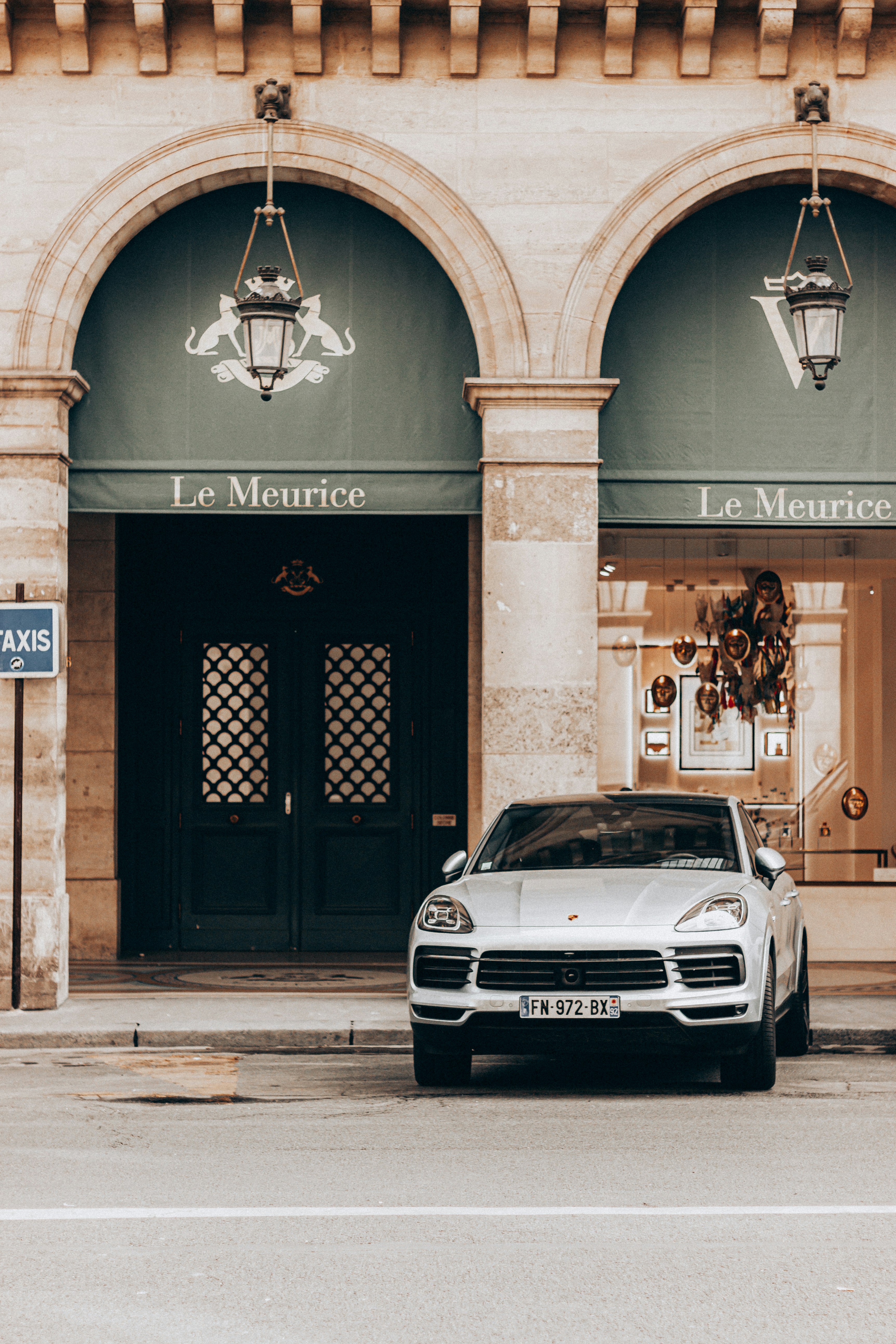
    2. Le Meurice – A historic gem in the heart of the city, Le Meurice boasts luxurious designer rooms and a Michelin-starred restaurant. Its proximity to major attractions like the Tuileries Garden enhances its allure for discerning travelers.

    3. Hôtel Fabric – This former textile factory transformed into a chic boutique hotel blends industrial décor with modern luxury. Located in the Bastille area, it features cozy yet stylish rooms, a spa, and a vibrant bar.

    4. La Maison Champs Élysées – Just steps from the iconic Champs-Élysées, this hotel is known for its artistic flair and opulence. Each room is uniquely designed, and guests can enjoy access to a beautiful garden and high-end dining options.

    5. Hôtel Monge – Located in the Latin Quarter, Hôtel Monge offers an intimate atmosphere with contemporary luxury. The hotel’s design pays homage to the rich history of the neighborhood, making it a favorite among culture seekers.

    6. Maison Souquet – This hidden treasure in the 9th arrondissement is reminiscent of an opulent Parisian apartment. The hotel features sumptuous rooms, a wellness area, and a sultry bar, perfect for an indulgent escape.

    7. Le Petit Paris – Situated in the Montparnasse district, this boutique hotel combines modern comfort with charming décor reflecting the essence of Parisian style. It provides easy access to nearby cafés and art studios.

    8. Hôtel Particulier Montmartre – Offering a serene retreat in the vibrant Montmartre, this hotel is a true sanctuary with stunning gardens and artistically decorated suites that embody the Bohemian spirit of the area.

    9. Hotel Saint Marc – Blending classic elegance with modern amenities, Hotel Saint Marc features a stunning pool and a beautifully designed courtyard. Its location near the Opéra and Grands Boulevards is ideal for both leisure and business travelers.

    10. Hôtel des Grands Boulevards – This stylish boutique hotel showcases a blend of historic and contemporary design. Situated among some of the best dining establishments in Paris, it offers guests both culinary delights and luxurious accommodations.

    These boutique hotels in Paris not only provide luxury but also a unique experience that reflects the city’s rich culture and history. Staying in one of these remarkable establishments will make any trip to Paris truly memorable.

    The Ritz Paris: A Timeless Luxury Destination

    Located in the heart of Paris, the Ritz Paris stands as a symbol of opulence and sophistication, with a rich history that dates back to 1898. Renowned for its striking architecture and impeccable service, this iconic hotel has hosted dignitaries, celebrities, and royalty, making it one of the most coveted luxury hotels in the world. The Ritz’s legacy is infused into every corner, from its lavishly decorated common areas adorned with crystal chandeliers to its meticulously curated artwork.

    The accommodations at the Ritz Paris are nothing short of extraordinary. Each room and suite is designed with a blend of classic elegance and modern comfort, featuring sumptuous fabrics, exquisite furnishings, and state-of-the-art technology. The spacious suites offer breathtaking views of Place Vendôme, providing guests with a serene retreat from the bustling city outside. Notably, the Ritz Paris boasts the legendary “Coco Chanel Suite,” a homage to the fashion icon who called the hotel her home for over 30 years.

    Guests are treated to an unparalleled dining experience, with an array of gourmet options that reflect the finest of French culinary traditions. The Ritz Escoffier School presents a unique opportunity for guests to engage with world-class chefs, learning the art of French cuisine firsthand. Additionally, the Bar Hemingway, named after the famed author, offers a cozy yet sophisticated atmosphere where visitors can indulge in meticulously crafted cocktails.

    Beyond luxurious accommodations and dining, the Ritz Paris features exclusive amenities, including a lavish spa, a stunning indoor swimming pool, and personalized concierge services that cater to every whim. The hotel’s attention to detail and commitment to guest satisfaction ensure that every stay is unforgettable.

    In conclusion, the Ritz Paris epitomizes the essence of luxury and refinement in Paris. Its storied past, sumptuous accommodations, and exceptional dining options make it a quintessential destination for travelers seeking an extraordinary Parisian experience, truly worth every penny.

    Hôtel de Crillon

    Hôtel de Crillon, an iconic establishment in the heart of Paris, exemplifies the epitome of luxury and elegance. Located at Place de la Concorde, this historic hotel combines its rich heritage with modern sophistication, making it a prime choice for discerning travelers. Originally built in 1758, the hotel has undergone meticulous renovations, preserving its stunning 18th-century architecture while incorporating contemporary comforts.

    The hotel’s interior is a harmonious blend of opulence and comfort, featuring lavish rooms and suites adorned with exquisite décor, sumptuous fabrics, and state-of-the-art amenities. Each accommodation is a personal oasis, designed to provide guests with an unforgettable stay. The meticulous attention to detail is evident in every corner, from the intricate moldings and chandeliers to the plush bedding and luxurious bathrooms equipped with premium toiletries. For those seeking unparalleled views, many rooms offer breathtaking vistas of the Seine River or the Eiffel Tower, enhancing the Parisian experience.

    In addition to its stunning accommodations, Hôtel de Crillon offers an array of exceptional experiences. Guests are invited to indulge in the hotel’s world-class dining options, where acclaimed chefs craft exquisite culinary creations that reflect the rich flavors of French cuisine. The hotel’s bar provides a sophisticated setting for enjoying expertly crafted cocktails, while the spa offers rejuvenating treatments that promise to pamper and revitalize.

    Furthermore, the prime location enables guests to immerse themselves in the vibrant Parisian culture, with major attractions such as the Louvre, Champs-Élysées, and Tuileries Garden just a leisurely stroll away. With its combination of historical grandeur, luxurious amenities, and cultural proximity, Hôtel de Crillon stands as a beacon of sophistication and a true reflection of the refined Parisian lifestyle.

    Hotel #3: Le Meurice

    Le Meurice, a gem nestled in the heart of Paris, offers an unmatched luxury experience that captivates visitors with its artistic flair and historical significance. Renowned for its opulent decor, the hotel is a celebration of both tradition and modernity, combining the architectural elegance of the 18th century with contemporary design elements. Each room is thoughtfully designed with exquisite furnishings and artwork, creating a tranquil and inspiring atmosphere that is a feast for the senses.

    The culinary experience at Le Meurice is not to be overlooked. With its Michelin-starred dining options, guests are invited to indulge in dishes crafted by talented chefs who blend French culinary traditions with innovative techniques. The restaurant not only emphasizes high-quality, seasonal ingredients but also offers breathtaking views of the Tuileries Garden, enhancing the dining experience. Guests can savor a refined menu that reflects the essence of French gastronomy, accompanied by an exceptional selection of wines curated by the hotel’s sommelier.

    Service at Le Meurice is unparalleled, with a dedicated staff trained to cater to every need, ensuring a memorable stay. Whether it’s arranging bespoke experiences or providing local insights, the team prides itself on delivering personalized service that exceeds expectations. Beyond the hotel’s luxurious interiors, visitors can explore the vibrant surroundings, which include art galleries, historic sites, and premier shopping districts. The proximity to the Louvre Museum allows guests easy access to some of the world’s finest art pieces, making it an ideal choice for culture enthusiasts.

    In conclusion, Le Meurice stands out not only for its artistic charm and gastronomy but also for its focus on providing an exceptional guest experience. This boutique hotel represents the epitome of luxury in Paris, ensuring that every moment spent within its walls is cherished by all who enter.

    Experiencing Local Culture with Boutique Hotels

    Staying in a boutique hotel in Paris offers travelers a unique opportunity to immerse themselves in the local culture while enjoying luxurious accommodations. These hotels often emphasize a strong connection to their surroundings, uniquely reflecting the essence of the city. Unlike larger chain hotels, boutique establishments prioritize personalized experiences and authenticity, making them an ideal choice for those looking to engage with Parisian life.

    Many boutique hotels cultivate partnerships with local artisans, elevating their guests’ experiences by showcasing the craftsmanship and creativity found within the community. This might include curated art displays by local artists, collaborations with neighborhood cafés for exclusive dining options, or even hosting workshops where guests can learn traditional French cooking techniques. Such initiatives allow travelers to connect more deeply with the culture, enriching their understanding of Paris beyond just its famous landmarks.

    Moreover, boutique hotels often provide unique experiences tailored to their guests’ interests. From arranging private guided tours of hidden gems within the city to offering fashion experiences in collaboration with local designers, these hotels enhance the travel experience significantly. Guests may also find themselves in proximity to vibrant neighborhoods and markets, allowing for spontaneous explorations of the city’s culinary, artistic, and social offerings.

    By staying in a boutique hotel, visitors are more likely to engage with the local culture and inhabitants. This immersion fosters authentic interactions, leading to personal recommendations and insights that may be overlooked in traditional tourist settings. Therefore, choosing a boutique hotel not only guarantees a luxurious stay but also facilitates a deeper appreciation of the city’s rich heritage, making it a worthwhile investment for any traveler seeking to experience Paris in its most genuine form.

    Conclusion: Investing in Luxury

    The allure of boutique hotels in Paris lies not only in their aesthetic charm but also in the unique experiences they offer. When one chooses to invest in a luxury accommodation, it transcends mere lodging; it becomes a gateway to exclusive experiences that capture the essence of Parisian culture and sophistication. Boutique hotels often provide personalized services, sumptuous interiors, and exquisite dining options, allowing guests to immerse themselves in a luxurious environment designed to cater to their every need.

    Considering the lavish amenities and distinctive character found in these hotels, the investment often proves to be worthwhile. Each boutique hotel presents a slice of Parisian life, whether it be the rich history encapsulated within its walls or the contemporary designs that reflect the city’s evolving art scene. Guests can expect not just a bed for the night, but an unparalleled experience enriched by tailored service and attention to detail.

    When selecting the perfect boutique hotel, it is vital to contemplate personal preferences, such as location, atmosphere, and amenities. If you value proximity to historical landmarks, a hotel situated in the heart of the city would be beneficial. For those who appreciate calm and tranquility, a boutique hotel in a quieter arrondissement may be more suitable. Additionally, consider the type of services offered, such as spa access, gourmet dining options, and concierge services, which can significantly enhance your stay.

    Ultimately, investing in a boutique hotel during your Parisian adventure is not just about luxury; it is about creating lasting memories in a city renowned for its elegance and style. By making an informed decision based on your own travel priorities, choosing the right boutique hotel can elevate your Paris experience to new heights of luxury and enjoyment.