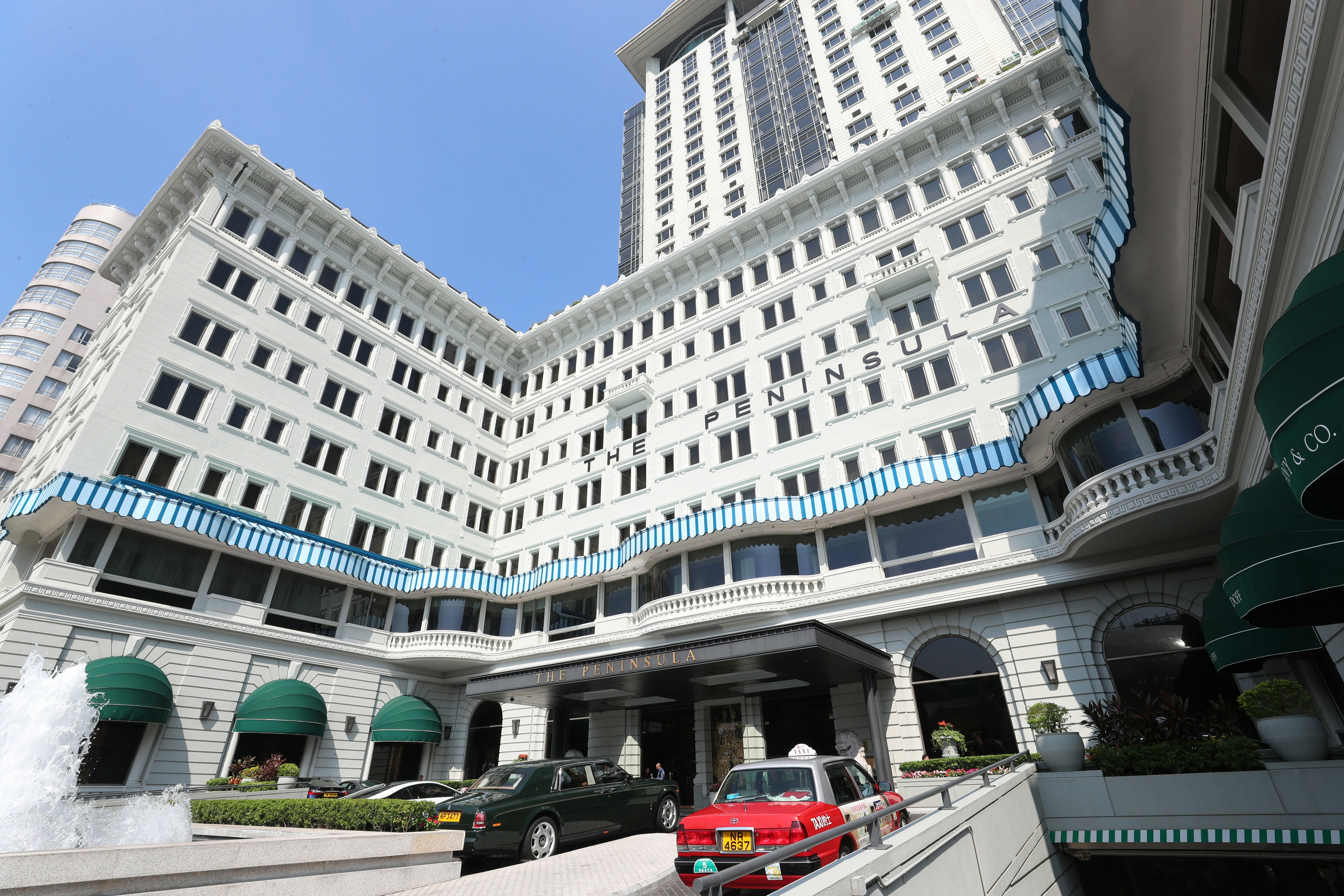
Understanding Luxury in the Hospitality Industry
The concept of luxury in the hospitality industry has transformed significantly over the decades. Historically, luxury was primarily associated with the opulence of physical attributes—sumptuous furnishings, grand architecture, and extravagant amenities. As society evolved, so did the perception of what constitutes a luxury experience in hotels. Today, luxury is more than just opulence; it encapsulates an experience that emphasizes personal touch and exclusivity. The hallmark of luxury hotels lies in their unwavering attention to detail, which sets them apart from standard accommodations.
One defining characteristic of luxury hotels is the personalization of service. While standard hotels may focus on general customer service protocols, luxury hotels prioritize understanding individual guest preferences and creating bespoke experiences. This could involve anything from a personalized greeting when guests arrive, to tailored recommendations for dining and activities based on previous stays. Such offerings provide not just an enhanced experience but also create a deep emotional connection between the guest and the establishment.
Another aspect that distinguishes luxury accommodations is exclusivity. Luxury hotels often provide limited access to their services, ensuring that guests feel special and valued. This concept is reflected in the careful curation of amenities, from private pools and exclusive lounges to priority reservations at on-site restaurants. These thoughtful elements contribute to a sense of uniqueness and provide guests with experiences they cannot find elsewhere.
Overall, the evolution of luxury in the hospitality industry has led to a broader understanding of what makes a hotel truly exceptional. It is no longer solely about lavish surroundings; instead, it is about creating a holistic experience that prioritizes comfort, personalization, and exclusivity, thereby ensuring that each guest feels valued and heard throughout their stay.
The Role of Service in Luxury Hotels
In the realm of luxury hotels, the quality of service is paramount in distinguishing exceptional establishments from their competitors. The role of service in luxury accommodations transcends mere provision of necessities; it encompasses an entire experience tailored to the individual needs of each guest. This high level of service is achieved through meticulous training and adherence to rigorous standards set forth by the hotel management. Staff members are not just employees; they are trained professionals who embody the values and ethos of the brand, ensuring that every interaction enhances the overall guest experience.
Personal connections between hotel staff and guests play a crucial role in luxury service. Unlike standard hotels, which may treat guests as transactions, luxury hotels strive to create relationships built on trust and familiarity. This commitment is evident in the attention to detail that staff members pay in recognizing returning guests, remembering their preferences, and anticipating their needs without being intrusive. This personalized approach fosters an atmosphere where guests feel valued and respected, ultimately leading to greater customer loyalty.
Moreover, the impact of exceptional service in luxury hotels extends beyond immediate satisfaction; it contributes to lasting memories and experiences. When guests perceive a high level of service, their overall perception of the hotel is positively influenced. Elements such as prompt responses to inquiries, polished communication skills, and a proactive attitude from the staff not only meet guests’ expectations but exceed them, positioning the hotel as a leader in the luxury segment. In essence, the integration of service excellence within the hospitality framework not only elevates the status of the hotel but also fosters a distinguished reputation that attracts discerning travelers.
Aesthetics and Environment: The Design of Luxury Hotels
The architecture and interior design of luxury hotels play a pivotal role in establishing a memorable experience for guests. At the heart of this aesthetic appeal lies the location of the hotel, which often enhances the luxury experience by offering breathtaking views and proximity to notable landmarks. A prime location, coupled with an elegant design, sets a substantial foundation for a hotel to be perceived as extraordinary.
Upon entering a luxury hotel, the ambiance is immediately palpable. A carefully curated atmosphere, achieved through thoughtful lighting, spacious layouts, and harmonious color palettes, encourages relaxation and indulgence. Every element, from the grand entrance to the serene lounges, is meticulously planned to evoke a sense of comfort while retaining an air of sophistication. A luxury hotel should feel like a retreat from the outside world, a unique sanctuary where guests can unwind.
The decor within luxury hotels is another critical aspect that distinguishes them from more ordinary accommodations. High-quality materials such as natural stone, fine woods, and opulent textiles are often used in furnishings and artwork, creating an environment of elegance. The incorporation of local cultural designs can also enhance the hotel’s identity, connecting guests with the destination’s heritage while providing a unique backdrop for their experience.
Attention to detail is paramount in luxury hotel design. This includes not only the selection of high-end materials and exquisite decor but also the meticulous craftsmanship visible in every aspect of the environment. From customized furniture pieces to specialty lighting, it is these finer details that create an inviting and memorable space. Excellence in design ensures that every guest orientation invokes a sense of prestige and comfort, defining the very essence of what makes a hotel truly luxurious.
Exclusive Amenities and Offerings
Luxury hotels distinguish themselves through an array of exclusive amenities and offerings that elevate the guest experience to unparalleled heights. One of the quintessential elements of luxury accommodation is the availability of comprehensive spa services. These health and wellness centers often provide a sanctuary for relaxation, featuring treatments such as massages, facials, and holistic therapies. The emphasis is not only on rejuvenation but also on personalized care, allowing guests to unwind in an environment that caters to their individual preferences.
Gourmet dining is another hallmark of a luxurious hotel experience. High-end establishments often host renowned chefs who craft exquisite menus, offering guests a culinary journey that incorporates both local and international flavors. Whether through a Michelin-starred restaurant, an elegant rooftop bar, or a tranquil garden café, dining in a luxury hotel becomes an unforgettable experience, characterized by artistic presentation and celebrated taste. Furthermore, many luxury hotels also offer tailored dining experiences, such as private dinners or in-room service, ensuring that each meal can be catered to the specific desires of the guest.
Custom experiences further define what makes a hotel truly exceptional. Luxury hotels are increasingly focusing on creating unique experiences that resonate with their guests’ interests and preferences. This includes exclusive access to local attractions, bespoke activities such as wine tastings or guided tours, and personalized concierge services. These tailored offerings not only enhance the stay but also create lasting memories that guests are likely to cherish long after their visit has concluded.
Lastly, high-end facilities—including infinity pools, lavish lounges, and state-of-the-art fitness centers—serve to enrich the overall guest experience. Each of these amenities works in concert to create an atmosphere of indulgence, allowing guests to immerse themselves fully in the luxury and comfort that these hotels promise.
Location: The Importance of Place in Luxury Hospitality
The geographical location of a luxury hotel plays a pivotal role in determining its overall desirability. A prime location is often characterized by breathtaking views and proximity to cultural landmarks, which collectively enhances the guest experience. For luxury travelers, the allure of a stunning vista cannot be overstated; it sets the tone for their entire stay and creates lasting memories. Hotels positioned near picturesque coastlines, majestic mountains, or vibrant city skylines often attract guests seeking both relaxation and inspiration.
Furthermore, the strategic location of a hotel allows guests to immerse themselves in local culture and explore nearby attractions. A luxury hotel situated within walking distance of historical sites, art galleries, and upscale shopping districts increases its appeal, making it a prime candidate for travelers who value convenience and a rich cultural experience. This proximity to significant landmarks not only enhances the leisure aspect of their stay but also elevates the hotel’s status in the hospitality market.
In addition to client preferences, the overall vibe of the surrounding area significantly contributes to the perception of luxury. Destinations that embody a distinct character—be it through their architecture, culinary offerings, or local events—provide an enriching backdrop for luxury hotels. Guests are often drawn to locations that reflect their aspirations and desires, be it sophistication, tranquility, or adventure. Thus, luxury hoteliers must consider not just the hotel itself, but also the narrative woven around its location. The charm and uniqueness of the surroundings can elevate a hotel from merely being luxurious to truly exceptional.
Overall, the significance of location in luxury hospitality cannot be overlooked. It shapes the guest experience, enriches their journey, and ultimately contributes to the hotel’s reputation as a premium destination. By recognizing the importance of geographical positioning and local allure, luxury hotels can create an unforgettable stay for their discerning clientele.
Personalization and Customization in Luxury Stays
In the contemporary landscape of luxury hospitality, personalization and customization stand as pivotal elements that distinguish exceptional hotels from their peers. As discerning travelers seek memorable experiences, hotels have recognized the importance of tailoring their offerings to meet individual preferences, thereby creating a more intimate and bespoke environment. This shift towards personalized service requires a comprehensive understanding of guest expectations and desires.
Luxury hotels leverage advanced technology and data analytics to gather insights about their guests. For instance, preferences can be collected through online booking systems, surveys, and previous stay histories. This information enables hotels to anticipate the needs of their guests, providing services that resonate with their personal tastes. Whether it is a favorite type of pillow, a preferred brand of bath products, or customized dining options, luxury accommodations are increasingly equipped to cater to these specific requests.
Moreover, personalization goes beyond mere preferences; it involves crafting unique experiences that align with the lifestyle and values of each guest. A luxury hotel may offer curated local experiences, such as private tours of cultural landmarks or exclusive access to events, ensuring that the stay is memorable and enriching. Furthermore, staff training emphasizes the importance of emotional intelligence, equipping staff with the skills necessary to recognize and fulfill unexpressed desires, thus elevating the level of service encountered during the stay.
This trend towards personalization in luxury hotels not only enhances guest satisfaction but also fosters brand loyalty. When guests feel understood and valued, their probability of rebooking increases significantly. As the luxury market continues to evolve, the commitment to personalization and customization will undoubtedly remain a hallmark of exceptional hospitality, setting the standard for what it means to provide a truly luxurious stay.
The Influence of Technology on Luxury Hospitality
Technology has become a pivotal factor in redefining what is considered luxury in the hospitality sector. Within luxury hotels, the integration of advanced technological solutions not only enhances the overall guest experience but also provides a seamless and personalized environment. One notable innovation is mobile check-in, which allows guests to bypass traditional front desk procedures. This feature not only saves time but also adds a level of convenience that aligns perfectly with the expectations of today’s discerning travelers.
Smart room features further exemplify the transformation of luxury accommodations. These technologically enhanced rooms often include intelligent lighting systems, climate control, and entertainment options that guests can control through their smartphones or tablets. This level of customization empowers guests to create their ideal environment, thereby significantly enhancing comfort and satisfaction during their stay. Furthermore, many high-end hotels now offer voice-activated assistants in their rooms, which can provide information, adjust settings, and even fulfill requests in real-time, thus enriching the experience of modern luxury hospitality.
Personalized digital services play an equally crucial role in shaping the luxury hotel experience. By leveraging data analytics and guest profiles, luxury hotels can curate tailored offerings based on individual preferences, such as room selection, dining options, and special services. This aspect of technology helps foster an emotional connection between the hotel and its guests, transforming every visit into a unique experience. Additionally, advanced booking systems utilize artificial intelligence to anticipate guest needs, allowing for proactive service that ensures a memorable stay.
Overall, the influence of technology in luxury hospitality is significant. With innovations such as mobile check-ins, smart room features, and personalized services, luxury hotels are not only meeting guest expectations but are also setting new standards for exceptional hospitality. As technology continues to evolve, it will undoubtedly play an even greater role in defining the essence of luxury in the hospitality industry.
Sustainability in Luxury Hotels
In recent years, the luxury hotel sector has increasingly embraced sustainability as a cornerstone of its operational ethos. This shift is not merely a response to changing consumer preferences but also a recognition that sustainable practices can enhance the overall guest experience while contributing to the well-being of the planet. Luxury hotels are now finding innovative ways to integrate eco-friendly initiatives into their day-to-day operations, distinguishing themselves as leaders in responsible hospitality.
One primary focus for luxury hotels is responsible sourcing. This involves procuring food, materials, and products that are produced ethically and sustainably. Many high-end establishments prioritize local and organic ingredients for their restaurants, thereby supporting local economies and reducing carbon footprints associated with transportation. Additionally, eco-friendly building materials and furnishings are becoming standard practice, as hotels aim to create an environment that aligns with their sustainability values.
Moreover, luxury hotels are investing in energy efficiency and waste management programs. Initiatives such as solar panel installations, water-saving technologies, and comprehensive recycling programs not only reduce costs but also appeal to environmentally-conscious travelers. By implementing these systems, hotels can significantly lower their environmental impact while maintaining the comfort and elegance that define luxury accommodations.
The commitment to sustainability also extends to-service offerings. Some luxury hotels are incorporating wellness programs that emphasize environmental consciousness, offering guests activities such as guided eco-tours or organic cooking classes. This not only educates guests about sustainability but also enriches their overall experience, further solidifying the hotel’s status as an exceptional luxury destination.
Incorporating sustainability into luxury hotel operations is indeed a transformative approach, where environmental stewardship meets elevated guest satisfaction. As the trend continues to evolve, it is evident that a commitment to sustainable practices enhances a hotel’s appeal, setting a new standard for what constitutes luxury in the modern hospitality landscape.
Expert Insights: What Travel Professionals Look for in Luxury Hotels
Travel professionals, including agents and seasoned luxury travelers, provide valuable perspectives on what defines an exceptional hotel experience. Their insights often stem from extensive experience in the hospitality industry and personal encounters within luxury hotels worldwide. They identify several critical factors that contribute to the perception of luxury.
First and foremost, personalized service stands out as a fundamental attribute of luxury hotels. Professionals emphasize the importance of staff attentiveness, with genuine care for guest preferences, needs, and privacy. A personalized approach cultivates an atmosphere where guests feel valued and recognized. This might involve the staff remembering a returning guest’s favorite drink or arranging special amenities tailored to individual tastes. Such nuances create memorable experiences that elevate a hotel beyond mere accommodation.
Another expected feature is exceptional attention to detail, a hallmark of luxury establishments. This encompasses everything from the quality of furnishings and decor to the seamless integration of technology within guest rooms. Travel experts note that the ambiance should evoke a sense of sophistication while maintaining comfort. High-quality materials, meticulous room design, and thoughtful accents contribute to a cohesive aesthetic that reflects exclusivity.
Moreover, luxury travelers often seek hotels that prioritize unique experiences. For instance, curated local experiences, gourmet dining options, and spa services should be readily available, enhancing the overall stay. Instead of merely providing shelter, hotels are demanded to be gateways to enriching encounters, whether through cultural immersions or culinary explorations. Experts recommend that hotels diversify their offerings, ensuring guests can indulge in experiences that resonate with their personal interests.
In conclusion, the expectations set by travel professionals highlight that luxury hotel experiences are defined by personalized service, meticulous attention to detail, and unique offerings that enchant guests. These critical insights shed light on the evolving standards of what consumers truly consider luxurious in the hospitality landscape.